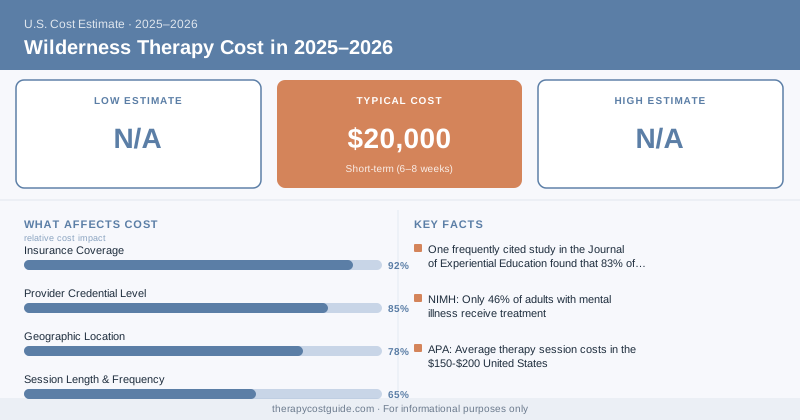
Wilderness Therapy Cost in 2025–2026
{ if eq .Lang "zh" }{ else }{ end }The quote that comes back is usually $35,000 — and most parents stare at it in disbelief. That’s a real number for a 12-week wilderness therapy program, and it’s not a scam. It’s the actual cost of 24/7 staffing, clinical oversight, wilderness permits, food, gear, and transportation in backcountry terrain where teenagers are learning to regulate themselves without a phone in their hand.
Wilderness therapy isn’t camping with a therapist sprinkled in. It’s a structured, evidence-based clinical model — and understanding what you’re funding helps you evaluate whether a program is worth it.
What Wilderness Therapy Typically Costs
| Program Length | Typical Total Cost | Per-Day Range |
|---|---|---|
| Short-term (6–8 weeks) | $20,000 – $35,000 | $300 – $500/day |
| Standard (10–12 weeks) | $35,000 – $55,000 | $350 – $550/day |
| Long-term (12–16 weeks) | $55,000 – $80,000 | $400 – $600/day |
| Assessment/intake fees | $500 – $2,000 | One-time |
| Transportation to program | $1,500 – $5,000 | Varies by location |
Most programs are all-inclusive — clinical sessions, group therapy, individual therapy, meals, gear, and field staffing are bundled into the daily rate. What often isn’t included: transportation to the program, family therapy intensives, and aftercare planning fees. Always ask for a complete breakdown before signing an enrollment agreement.
Who Wilderness Therapy Is For
The Outdoor Behavioral Healthcare (OBH) Council — the primary accreditation body for wilderness programs in the U.S. — reports that more than 100 accredited wilderness therapy programs operate nationally, enrolling upward of 10,000 adolescents annually. The typical participant is between 13 and 17, referred by a therapist or educational consultant for issues including depression, anxiety, ADHD, oppositional behavior, substance use, or trauma.
A smaller number of programs serve young adults (18–25) and adults. These follow the same outdoor behavioral healthcare model but are often shorter and slightly less expensive than adolescent programs.
The clinical model works because it removes a teenager from the environment that’s reinforcing the problem — devices, social dynamics, family conflict — and places them in a low-stimulation setting where the basic tasks of survival become organizing principles. You don’t get to disengage when you need to help build a fire and cook dinner.
What the Research Says
The APA has documented that wilderness therapy produces significant improvements in self-efficacy, depression symptoms, and behavioral outcomes in adolescents, with gains that persist at six- and twelve-month follow-up assessments in multiple published studies. One frequently cited study in the Journal of Experiential Education found that 83% of adolescent participants showed clinically meaningful reduction in problem behaviors post-program — with family functioning improvements noted as well.
That evidence base is what separates wilderness therapy from simple outdoor recreation. Quality programs employ licensed clinicians — typically licensed professional counselors or licensed clinical social workers — who provide individual and group therapy during the field experience, not just afterward.
Insurance: The Realistic Picture
| Insurance Scenario | Realistic Outcome |
|---|---|
| In-network wilderness therapy | Extremely rare — most programs don’t contract with insurers |
| Out-of-network reimbursement | $5,000 – $15,000 possible with letter of medical necessity |
| Medicaid | Generally not covered |
| HSA/FSA reimbursement | Eligible if program provides licensed clinical services |
| Mental Health Parity Act claims | Worth pursuing if insurer covers equivalent residential care |
Most families pay out of pocket. Some do recover partial reimbursement — typically $5,000–$15,000 — through out-of-network benefits when a psychiatrist or therapist provides a detailed letter of medical necessity documenting why this level of care is clinically indicated. Your insurer is required under the Mental Health Parity and Addiction Equity Act to cover wilderness therapy at the same level it covers medically equivalent care — but enforcing that right requires persistence, appeals, and sometimes legal advocacy.
What to Ask Before Enrolling
Not all wilderness programs are equivalent. Before committing, verify: Is the program accredited by the OBH Council or the Association for Experiential Education? Are the field therapists licensed in the state where they practice? What is the staff-to-student ratio on the field (look for 1:3 or better)? How is family involvement structured — are parents doing their own parallel work? What does aftercare look like, and is transition planning included in the fee? Programs that can’t answer these questions clearly aren’t worth the price of a phone call, let alone $40,000.How It Compares to Alternatives
Wilderness therapy is expensive. It’s also frequently less expensive than the alternatives for adolescents who need a higher level of care than weekly outpatient therapy.
Therapeutic boarding schools run $60,000–$120,000 per year. Residential treatment centers typically bill $1,000–$2,000 per day — meaning a 60-day RTC stay could cost $60,000–$120,000 before family therapy or discharge planning fees. Partial hospitalization programs are significantly cheaper ($300–$500/day) but don’t provide the 24/7 supervised environment that crisis-level presentations sometimes require.
For adolescents caught between outpatient care that isn’t working and full residential treatment, wilderness therapy often fills a critical clinical gap at a cost that — while significant — may be lower than a prolonged RTC placement.
Finding an Accredited Program
The OBH Council’s member directory (obhcouncil.com) is the most reliable starting point. Educational consultants who specialize in therapeutic placements can also help match a student to the right program — their fees ($3,000–$7,000) are separate from program costs but can prevent a costly mismatch.
Disclaimer: TherapyCostGuide provides cost information for educational purposes only. We are not a mental health provider and do not offer clinical advice or treatment. Cost ranges are based on national survey data and vary significantly by location, provider credentials, practice setting, and insurance plan. Always consult a licensed mental health professional for treatment decisions. If you are in crisis, call or text 988 (Suicide & Crisis Lifeline) or go to your nearest emergency room.