TMS (Transcranial Magnetic Stimulation) Cost 2025–2026: Full Course Pricing Explained
{ if eq .Lang "zh" }{ else }{ end }TMS therapy looks unusual — you sit in a chair for 20–40 minutes while a magnetic coil delivers pulses to your prefrontal cortex, day after day for 4–6 weeks. There’s no anesthesia, no hospitalization, no memory loss. You drive yourself home after each session. The FDA approved it for depression in 2008. The evidence has only strengthened since.
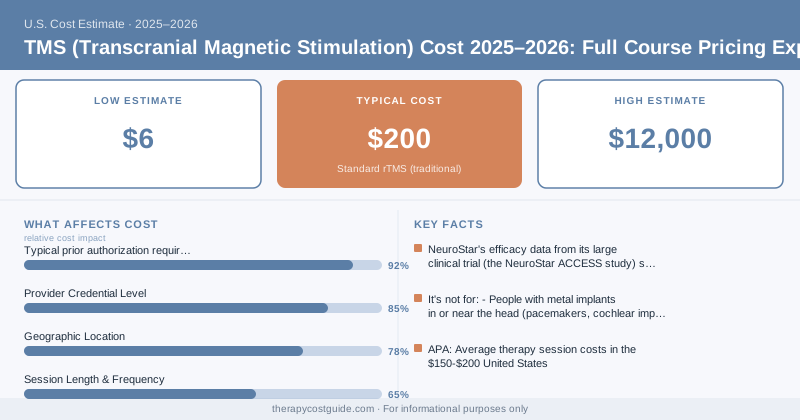
A full course costs $6,000–$12,000. Here’s what you’re actually paying for.
TMS Treatment Course Cost
A standard TMS treatment course for depression involves 30–36 sessions, typically five sessions per week for 6–7 weeks. Newer accelerated protocols (like Stanford’s SAINT protocol, also called Accelerated TMS or iTBS) compress this into 1–2 weeks at the same or better efficacy.
| TMS Protocol | Sessions | Duration | Cash Cost | With Insurance |
|---|---|---|---|---|
| Standard rTMS (traditional) | 30–36 sessions | 6–7 weeks | $6,000 – $12,000 | $200 – $1,500 (est.) |
| Deep TMS (BrainsWay) | 30–36 sessions | 6–7 weeks | $7,000 – $12,000 | $200 – $1,500 (est.) |
| Accelerated TMS / iTBS | 10–18 sessions | 5–10 days | $5,000 – $9,000 | Varies, less standardized |
| Maintenance sessions (if needed) | As needed | Periodic | $300 – $600/session | Copay/coinsurance |
The range reflects geography (major metro areas are more expensive), the specific clinic, and the device used.
What Each Session Costs
On a per-session basis, TMS runs approximately $200–$400 for the procedure itself, depending on location and protocol. Clinics often price full-course packages, which is where the $6,000–$12,000 figure comes from.
Consultation and evaluation fees are typically separate: expect $200–$400 for the initial TMS consultation.
NeuroStar: The Most Recognized Brand
NeuroStar (Neuronetics) is the most widely used TMS device in the U.S. and the one most providers will name-drop. It’s not inherently better or worse than other FDA-cleared TMS devices — it’s FDA-cleared for major depressive disorder, OCD, and anxiety. The NeuroStar brand designation indicates the type of coil and protocol used.
Other FDA-cleared TMS devices include:
- BrainsWay (Deep TMS — uses a larger, H-coil that stimulates deeper brain structures)
- MagVenture
- CloudTMS
The clinical differences between devices are debated. NeuroStar’s efficacy data from its large clinical trial (the NeuroStar ACCESS study) showed 83% of patients experienced meaningful symptom improvement. That’s compelling, though industry-sponsored research deserves the usual caveats.
Insurance Coverage
TMS has evolved from an almost universally non-covered procedure to one that major insurers now cover — with requirements.
Typical prior authorization requirements:
- Confirmed diagnosis of major depressive disorder
- Failure of at least 1–4 adequate antidepressant trials (varies by payer)
- Current or recent psychiatric care
- Documentation from treating psychiatrist
Most major commercial insurers (Aetna, Cigna, BCBS, UnitedHealthcare) now have TMS coverage policies for MDD. Medicare Part B also covers TMS for depression.
With insurance and a met deductible, patient out-of-pocket costs are typically $200–$1,500 for a full course, not the full $6,000–$12,000 cash price. This is a significant difference — it’s worth fighting for prior authorization approval if your insurer initially denies it.
Who Is TMS For?
TMS is specifically indicated for treatment-resistant depression — patients who haven’t responded adequately to at least one (most insurers require two) antidepressant trials. It’s a step up in the treatment algorithm, not a first-line option.
It’s not for:
- People with metal implants in or near the head (pacemakers, cochlear implants, metal clips)
- Active seizure disorders
- First-episode depression that hasn’t tried medication
It’s most appropriate for:
- Moderate-to-severe MDD after 1–3 antidepressant failures
- Patients who can’t tolerate antidepressant side effects
- Patients who want to reduce or avoid medication
What the Evidence Shows
A 2022 meta-analysis published in BMJ found that TMS produced statistically significant improvement in depression compared to sham TMS in randomized controlled trials, with a response rate of approximately 30–40% in active treatment groups. That’s not exceptional by absolute numbers, but for treatment-resistant depression — the specific population TMS is used for — it’s clinically meaningful.
Importantly, response durability is variable. Some patients maintain benefit for 12+ months; others relapse within weeks. Maintenance sessions (monthly or as needed) can extend benefit but add ongoing cost.
TMS vs. Spravato vs. ECT: Which Fits Where?
TMS: Best for MDD after 1–3 antidepressant failures, outpatient, no anesthesia, slower to work (weeks). Available at most large psychiatric practices and TMS-specific clinics.
Spravato: Best for TRD or acute suicidal ideation, faster onset (24–48 hours), requires in-clinic administration for 2 hours post-dose. FDA-approved.
ECT: Best for severe, life-threatening depression or catatonia. Requires anesthesia. Highest efficacy of all. For cases where TMS and Spravato haven’t helped.
Bottom Line
TMS therapy costs $6,000–$12,000 for a full course of 30–36 sessions. With insurance coverage (now available from most major carriers for qualifying patients), out-of-pocket cost drops to $200–$1,500. NeuroStar is the most common device but other cleared systems are comparable. Response rates of 30–40% in TRD patients make it a meaningful option when antidepressants haven’t worked. Plan for a 6–7 week daily commitment.
{ if eq .Lang "zh" }Disclaimer: TherapyCostGuide provides cost information for educational purposes only. We are not a mental health provider and do not offer clinical advice or treatment. Cost ranges are based on national survey data and vary significantly by location, provider credentials, practice setting, and insurance plan. Always consult a licensed mental health professional for treatment decisions. If you are in crisis, call or text 988 (Suicide & Crisis Lifeline) or go to your nearest emergency room.