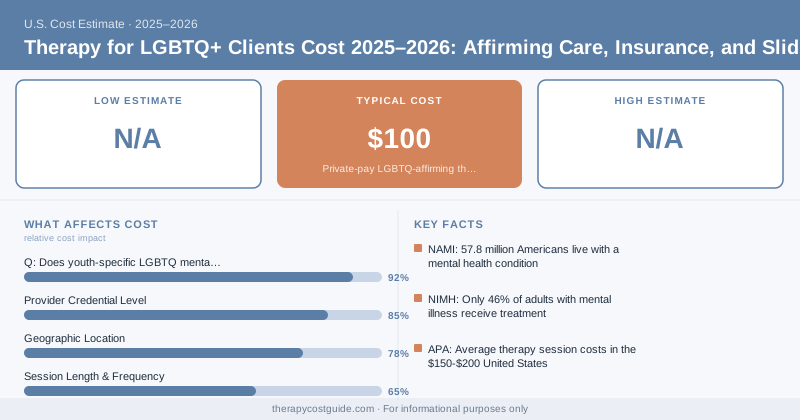
Therapy for LGBTQ+ Clients Cost 2025–2026: Affirming Care, Insurance, and Sliding Scale
{ if eq .Lang "zh" }{ else }{ end }Q: Is LGBTQ-affirming therapy a specialty that costs extra, like a niche medical specialist?
A: Not usually. Most licensed therapists — regardless of whether they explicitly market as “LGBTQ-affirming” — charge the same standard market rate for their license type and region. What you’re paying for is competency and comfort, not a price premium. That said, therapists with specific specialized training (like WPATH-aligned gender-affirming care coordination) may charge standard rates but have longer waitlists due to demand.
What Does Therapy Cost, By Access Point?
| Access Point | Typical Cost |
|---|---|
| Private-pay LGBTQ-affirming therapist | $100 – $250/session |
| In-network therapist (any orientation, insurance) | $20 – $60 copay |
| University training clinic | $20 – $60/session |
| LGBTQ community center counseling program | Free – $50/session, often sliding scale |
| Trevor Project (youth crisis support) | Free |
| Gender-affirming care letter (standalone) | $150 – $350 flat fee |
Q: Why would a therapist charge separately for a letter supporting gender-affirming care?
A: Letters supporting hormone therapy or surgery under WPATH Standards of Care require a clinical assessment, sometimes across multiple sessions, plus a formally written document. Some therapists include this in ongoing therapy sessions at no extra charge; others who provide it as a standalone assessment (without ongoing therapy) charge a flat fee of $150–$350, since it involves real clinical work and liability outside a typical session.
Q: Is finding an LGBTQ-affirming therapist harder, and does that affect cost?
A: In many areas, yes — demand for openly affirming, culturally competent providers often outpaces supply, especially outside major metro areas. This doesn’t usually raise the price, but it can mean a longer wait, which pushes some clients toward online therapy platforms that let you filter for LGBTQ-affirming specialists, typically at standard online therapy pricing of $60–$100/week.
Where the Money Actually Comes From for Free Options
Free and low-cost LGBTQ-affirming therapy is usually funded through grants, nonprofit donations, or university training programs rather than insurance billing — which is why it’s often limited in session count or has a waitlist. The Trevor Project’s crisis services are free and unlimited for immediate crisis support. Ongoing weekly therapy through a community center is more likely to have a sliding scale ($0–$50) with limited slots rather than truly unlimited free access.Q: Does youth-specific LGBTQ mental health need cost more?
A: The Trevor Project’s 2023 national survey found that 41% of LGBTQ young people seriously considered suicide in the past year, and that LGBTQ youth who had access to at least one LGBTQ-affirming space reported significantly lower suicide risk — underscoring why free crisis resources exist specifically for this population. Standard youth therapy costs the same $100–$200/session range as adult therapy when accessed privately, but many LGBTQ youth-specific programs are grant-funded and free or low-cost.
Q: What about insurance — will my claim show up in a way that outs me to a parent or employer?
A: Insurance Explanation of Benefits (EOB) statements typically list a diagnosis code and provider name, sent to the policyholder — which matters if you’re on a parent’s plan. This isn’t LGBTQ-specific; it’s true of any therapy diagnosis. If privacy is a concern, ask your therapist about diagnosis codes used and consider a private-pay or sliding-scale option instead of using a parent’s insurance.
Disclaimer: TherapyCostGuide provides cost information for educational purposes only. We are not a mental health provider and do not offer clinical advice or treatment. Cost ranges are based on national survey data and vary significantly by location, provider credentials, practice setting, and insurance plan. Always consult a licensed mental health professional for treatment decisions. If you are in crisis, call or text 988 (Suicide & Crisis Lifeline) or go to your nearest emergency room.