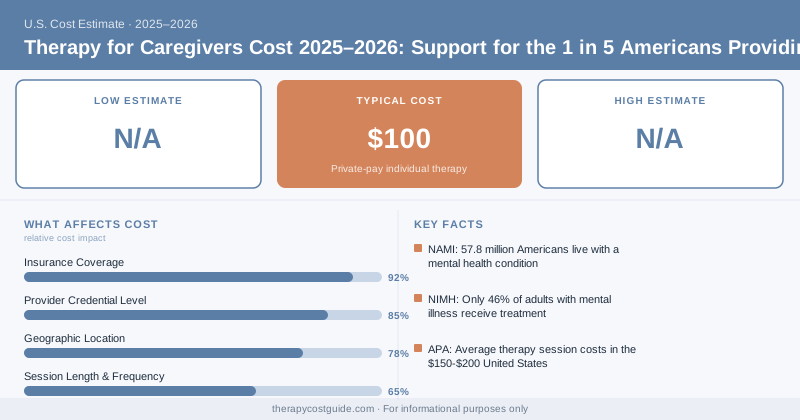
Therapy for Caregivers Cost 2025–2026: Support for the 1 in 5 Americans Providing Care
{ if eq .Lang "zh" }{ else }{ end }About 1 in 5 Americans provides unpaid care for an adult family member or friend, according to a National Alliance for Caregiving and AARP report — and research consistently finds that caregivers experience clinically significant depression or anxiety symptoms at rates far above the general population. Yet caregivers are often the last people to seek therapy for themselves, typically because they’re managing someone else’s medical costs and don’t think to budget for their own.
Caregiver Therapy Costs
| Access Point | Typical Cost |
|---|---|
| Private-pay individual therapy | $100 – $250/session |
| In-network insurance copay | $20 – $60/session |
| Caregiver-specific support group (Area Agency on Aging, AARP) | Free |
| Family Caregiver Alliance online support programs | Free |
| Respite care (to enable therapy attendance) | $20 – $30/hour, often subsidized |
| Employer EAP (if caregiving-related stress is the presenting issue) | Free — 3 to 8 sessions typical |
Why Caregiver Burnout Often Goes Untreated
Caregiver burnout has a uniquely difficult structural barrier: the caregiving responsibility itself often makes it logistically hard to leave the house for an hour-long therapy session. Unlike most mental health concerns, addressing caregiver burnout sometimes requires solving a secondary logistics problem — who covers care during the appointment — before the therapy question even becomes relevant.
Respite Care Is Part of the Treatment Plan, Not a Separate Issue
Many caregiver-focused therapists explicitly build respite care planning into the treatment conversation, because sustainable caregiver mental health often depends on having even a few regular hours of coverage. The National Family Caregiver Support Program, administered through local Area Agencies on Aging, funds subsidized or free respite hours in many areas specifically to make this kind of self-care and treatment access possible. Ask your local Area Agency on Aging about respite care availability before assuming you have no way to attend regular sessions.Free Caregiver-Specific Support Options
- Family Caregiver Alliance — free online support groups, webinars, and one-on-one consultation for caregivers nationally
- AARP Family Caregiving resources — free guides, support community, and local program referrals
- Area Agencies on Aging — federally funded local agencies offering free caregiver counseling, respite referrals, and support groups; find yours through the Eldercare Locator
- Disease-specific organizations (Alzheimer’s Association, American Cancer Society caregiver programs) — many offer free caregiver-specific counseling tied to the condition they focus on
When Individual Therapy Makes Sense Beyond Free Groups
Free caregiver support groups provide real value — community, shared experience, practical tips — but individual therapy becomes more important when caregiving has triggered or worsened clinical depression, anxiety, or complicated grief (common with dementia caregiving, sometimes called “ambiguous loss”), or when caregiving is compounding a pre-existing mental health condition. CDC data on caregiving and health consistently links sustained caregiving responsibilities to elevated rates of chronic stress-related health conditions, underscoring that this isn’t a minor or self-resolving issue for many caregivers.
Insurance Coverage
Standard individual therapy for caregiver-related depression, anxiety, or adjustment disorder is covered like any other mental health diagnosis — a typical $20–$60 copay with in-network providers. There’s no special “caregiver” insurance category; it’s billed under whatever clinical diagnosis applies, same as any other patient.
Bottom Line
Caregiver-focused individual therapy costs the same as standard therapy — $100–$250/session privately, $20–$60 with insurance — but free caregiver-specific support groups and subsidized respite care through Area Agencies on Aging can meaningfully lower both the financial and logistical barriers to getting support.
{ if eq .Lang "zh" }Disclaimer: TherapyCostGuide provides cost information for educational purposes only. We are not a mental health provider and do not offer clinical advice or treatment. Cost ranges are based on national survey data and vary significantly by location, provider credentials, practice setting, and insurance plan. Always consult a licensed mental health professional for treatment decisions. If you are in crisis, call or text 988 (Suicide & Crisis Lifeline) or go to your nearest emergency room.