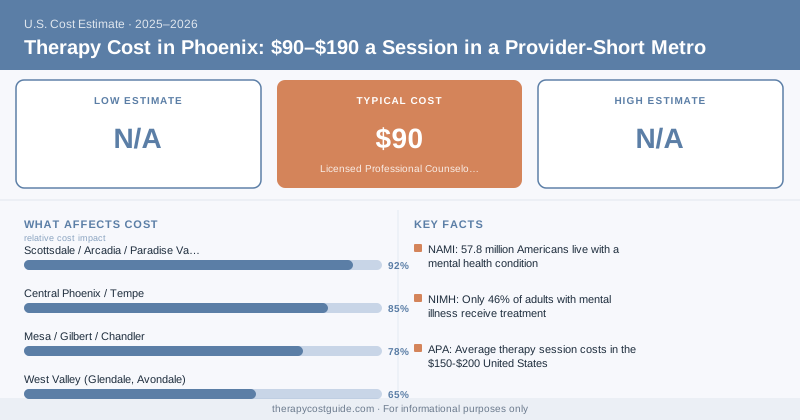
Therapy Cost in Phoenix: $90–$190 a Session in a Provider-Short Metro
{ if eq .Lang "zh" }{ else }{ end }42% of the country lives in a designated mental health professional shortage area, and much of metro Phoenix qualifies. That’s the headline for the Valley of the Sun: therapy is reasonably affordable here, roughly $90–$190 a session, but finding an available therapist can take patience. Arizona’s lower cost of living keeps rates down while explosive population growth strains a thin provider pool. Here’s how to navigate it.
What Phoenix Charges
Arizona’s cost of living runs near or just below the national average, which keeps therapist rates modest compared to the coasts.
| Provider Type | Typical Phoenix Rate | In-Network Copay |
|---|---|---|
| Licensed Professional Counselor (LPC) | $90 – $150 | $20 – $40 |
| Licensed Clinical Social Worker (LCSW) | $100 – $160 | $20 – $40 |
| Psychologist (PhD/PsyD) | $130 – $210 | $30 – $55 |
| Marriage and Family Therapist | $100 – $160 | $20 – $40 |
| Telehealth (AZ-licensed) | $80 – $150 | $20 – $40 |
The Phoenix metro has grown enormously, but the supply of licensed clinicians hasn’t kept pace. SAMHSA and federal workforce data have long flagged Arizona for behavioral health shortages, so the real cost isn’t always the dollar figure — it’s the wait. For national rate context, see individual therapy cost.
Across the Valley
- Scottsdale / Arcadia / Paradise Valley: Affluent, more private practice, upper-range rates, often cash-pay.
- Central Phoenix / Tempe: Younger crowd, mixed pricing, ASU presence.
- Mesa / Gilbert / Chandler: Family-oriented suburban practices, more insurance-friendly.
- West Valley (Glendale, Avondale): Thinner supply; community clinics carry more of the load.
Key Takeaway
Phoenix therapy runs $90–$190 a session — affordable by national standards thanks to Arizona’s moderate cost of living. The bigger challenge is supply: much of the metro is a federally designated provider shortage area, so book early and lean on telehealth to widen your options.Insurance and Self-Pay
Arizona follows federal parity rules. A 2024 KFF report found mental health clinicians are far likelier to be out-of-network than other providers nationwide, and in a shortage market like Phoenix, in-network availability gets even tighter. Because rates here are relatively low, self-pay is more manageable than on the coasts. See does insurance cover therapy and therapy cost without insurance.
Low-Cost Therapy in Phoenix
Several routes for tight budgets:
- Arizona State University Clinical Psychology Center and counselor-training clinics: Supervised trainees at reduced fees.
- Terros Health and Southwest Behavioral & Health Services: Major community providers, sliding-scale and Medicaid (AHCCCS).
- Federally Qualified Health Centers (Valle del Sol, Mountain Park Health Center): Integrated behavioral health, income-based, with bilingual staff.
- EMPACT / La Frontera crisis services: Free crisis support and referrals across Maricopa County.
ASU’s training clinics give you a supervised grad student at a fraction of private rates. More in sliding scale therapy cost and free low-cost therapy options.
Telehealth Helps With the Shortage
Telehealth is especially valuable in Phoenix because it widens your pool beyond the therapists physically near you — any Arizona-licensed clinician can see you by video. In a metro this spread out and this short on providers, that flexibility matters. Platforms like Headway, Alma, and Grow Therapy maintain solid Arizona networks, and skipping a long drive in 110-degree heat is its own reward. Compare formats in online therapy vs in-person cost.
Frequently Asked Questions
Why is it hard to find a therapist in Phoenix even when rates are low? Arizona has a documented behavioral health workforce shortage, and Phoenix’s fast population growth outpaces the supply of licensed clinicians. Telehealth and waitlist flexibility help. See how to find affordable therapy.
Is Phoenix cheaper than Denver for therapy? Generally a bit cheaper — Arizona’s cost of living is lower than Colorado’s, especially in the suburbs.
What’s the most affordable legitimate option? ASU’s training clinics and community providers like Terros Health and Valle del Sol offer the lowest sliding-scale rates.
{ if eq .Lang "zh" }Disclaimer: TherapyCostGuide provides cost information for educational purposes only. We are not a mental health provider and do not offer clinical advice or treatment. Cost ranges are based on national survey data and vary significantly by location, provider credentials, practice setting, and insurance plan. Always consult a licensed mental health professional for treatment decisions. If you are in crisis, call or text 988 (Suicide & Crisis Lifeline) or go to your nearest emergency room.