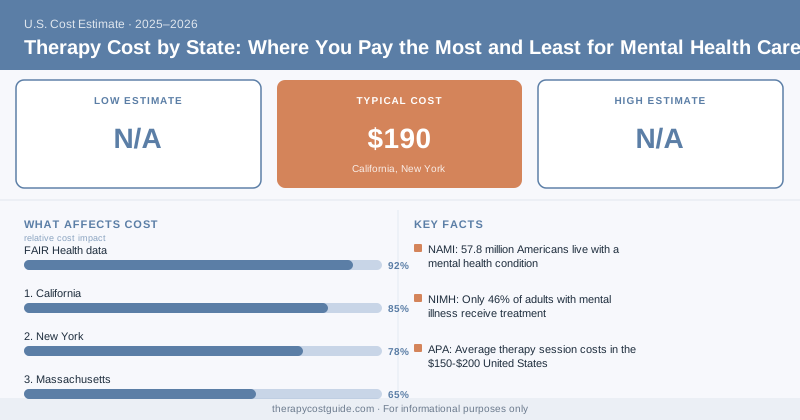
Therapy Cost by State: Where You Pay the Most and Least for Mental Health Care
{ if eq .Lang "zh" }{ else }{ end }A 50-minute therapy session costs $120 in Memphis. The same session, with the same type of licensed therapist, costs $225 in San Francisco. If you live in one of the five most expensive states for mental health care, you’re paying 60–80% more than someone in the most affordable states — for identical services.
Where you live is one of the biggest cost factors in mental health care, right alongside insurance status. Here’s the breakdown.
Average Therapy Cost by Region
Therapy costs track with cost of living, but they also correlate with therapist supply and demand, state licensing requirements, and insurance mandate laws.
FAIR Health data shows the average allowed amount for a 45-minute therapy session (CPT 90834) varies substantially across states, driven by regional cost of living and provider supply.
| State / Region | Average Session Cost (Self-Pay) | Notes |
|---|---|---|
| California, New York | $190–$250 | Highest in nation; major metro premium |
| Massachusetts, Connecticut | $175–$220 | Strong insurance mandates, high cost |
| Washington State, Oregon | $160–$200 | Mid-high; tech industry demand |
| Texas, Florida | $130–$175 | Large markets; mixed urban-rural |
| Midwest (OH, IN, MI, WI) | $110–$150 | More affordable; rural supply issues |
| Southeast (AL, MS, AR, LA) | $90–$125 | Lowest average rates; but also fewest providers |
| Mountain West (CO, UT) | $140–$185 | Growing demand, moderate supply |
The 5 Most Expensive States for Therapy
1. California — $180–$260/session in LA and SF metro areas. Provider demand far exceeds supply in major metros. High cost of living drives therapist operating costs.
2. New York — $180–$250/session in NYC. Vast supply of therapists, but demand is even greater. Manhattan is the most expensive therapist market in the country.
3. Massachusetts — $165–$220/session. One of the strongest mental health insurance mandate states, which increases coverage but also drives up provider prices.
4. Connecticut — $160–$215/session. High cost of living, high household incomes.
5. Washington State — $150–$200/session. Seattle tech economy drives demand and provider pricing.
The 5 Most Affordable States for Therapy
1. Mississippi — $85–$125/session. Lowest average in the country. But also the lowest therapist-to-population ratio — access is the challenge, not cost.
2. Arkansas — $90–$130/session. Rural access is a persistent problem; telehealth has helped.
3. Alabama — $90–$130/session. Similar dynamics to other Deep South states.
4. West Virginia — $95–$135/session. Few urban centers; telehealth increasingly important.
5. Ohio (rural) — $100–$140/session. Cleveland, Columbus, and Cincinnati are more expensive, but rural Ohio is among the most affordable markets.
State Mental Health Mandate Laws: The Advantage They Create
Several states have mental health insurance mandates that go beyond federal MHPAEA requirements. These mandates directly reduce out-of-pocket costs for insured residents:
States with strong mental health mandates (may require specific conditions be covered, require parity in more plan types, or mandate minimum coverage levels):
- Massachusetts: Among the strongest mental health coverage laws in the nation; specific diagnoses must be covered
- New York: Strong parity laws and specific coverage mandates
- California: Multiple mental health mandate laws; annual independent review requirements for insurers
- Illinois: Requires coverage of mental health services including substance use
- Maryland: Strong mandates including for developmental disabilities and autism
In mandate states, insurance coverage for therapy is often broader and claims are more rarely denied, which reduces out-of-pocket costs even if the base therapist rate is higher.
The Telehealth Factor: How It's Reshaping Geographic Cost Differences
Telehealth has partially disrupted geographic cost differences. Because many states now allow therapists to see clients across state lines (or via interstate compacts), a therapist in Ohio can now see a client in California.
This creates an opportunity: if you live in a high-cost state, you can search specifically for telehealth therapists licensed in your state but located in lower-cost areas. They may charge market rates for their home area ($110–$140) rather than California market rates ($190–$250).
The Interstate Licensure Compact for counselors (COUNSELORS Compact) and the Psychology Interjurisdictional Compact (PSYPACT) allow licensed therapists to practice in member states without separate licensure.
Rural vs. Urban Within States
Don’t just look at state averages — within-state variation can be as large as between-state differences:
- Urban therapy rates typically run 20–40% higher than rural rates in the same state
- Rural areas often have fewer therapists overall, which limits choice even when rates are lower
- Telehealth has significantly improved rural access — a rural resident can now access urban therapist supply without paying urban prices
How to Use Geographic Data to Your Advantage
If you’re paying out of pocket:
- Compare telehealth therapists across geographies — find a licensed provider in a lower-cost market
- Check university clinics — in every state, graduate training clinics offer below-market rates
- Use Open Path or similar networks — the $30–$80 ceiling applies regardless of your state
- Negotiate — in high-cost areas, many therapists have undisclosed sliding scale slots
Disclaimer: TherapyCostGuide provides cost information for educational purposes only. We are not a mental health provider and do not offer clinical advice or treatment. Cost ranges are based on national survey data and vary significantly by location, provider credentials, practice setting, and insurance plan. Always consult a licensed mental health professional for treatment decisions. If you are in crisis, call or text 988 (Suicide & Crisis Lifeline) or go to your nearest emergency room.