Therapy Copay vs. Coinsurance: Which Costs You More?
{ if eq .Lang "zh" }{ else }{ end }What does a therapy session actually cost with insurance? That depends on one word buried in your benefits summary: copay or coinsurance. They sound similar. They behave completely differently, and mixing them up can leave you blindsided by a bill.
A copay is a flat dollar amount. Coinsurance is a percentage. The difference between them can mean paying $30 a session or $90 — sometimes for the exact same therapist.
Copay: The Predictable One
A copay is a fixed fee you pay each visit, no matter what the therapist charges. If your plan lists a $40 mental health copay, you pay $40 per session. Done. The insurer covers the rest of the negotiated rate.
Copays are easy to budget because they don’t change. They usually apply whether or not you’ve met your deductible, which is why copay plans feel friendlier for ongoing therapy.
Coinsurance: The Percentage Gamble
Coinsurance is a percentage of the session’s allowed amount — commonly 10% to 40%. The catch: coinsurance almost always kicks in only after you’ve met your deductible. Before that, you may owe the full negotiated rate.
So on a plan with 20% coinsurance and an unmet $2,000 deductible, your “covered” therapy might cost you $110 a session until you’ve spent $2,000 out of pocket. Then it drops to roughly $22.
Key Takeaway
Copay = a flat fee per visit (e.g., $40), usually charged from session one. Predictable. Coinsurance = a percentage (e.g., 20%) of the allowed amount, typically only after you hit your deductible. Until then, you may pay the full negotiated rate. For frequent weekly therapy, a copay plan is almost always cheaper.Side-by-Side Cost
| Plan Type | Per Session (deductible met) | Per Session (deductible NOT met) | Annual cost @ weekly |
|---|---|---|---|
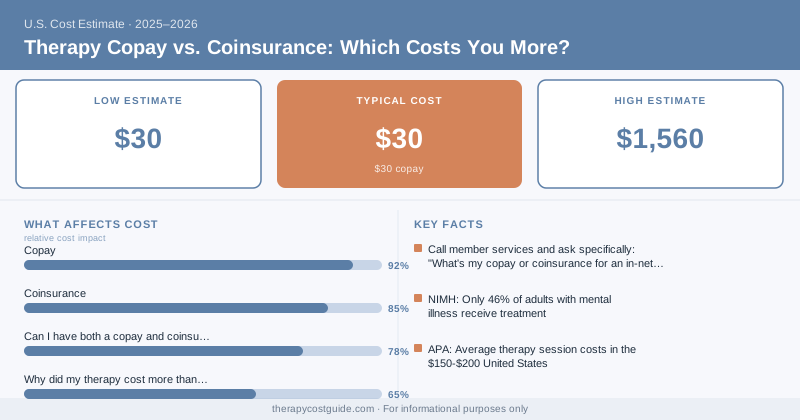
| $30 copay | $30 | $30 | ~$1,560 |
| $50 copay | $50 | $50 | ~$2,600 |
| 20% coinsurance, $130 rate | ~$26 | ~$110 | $1,350–$5,720 |
| 40% coinsurance, $130 rate | ~$52 | ~$130 | $2,700–$6,760 |
Notice the wide swing on coinsurance plans. If you start therapy in January with an unmet deductible, the first couple of months can be brutal, then it gets cheap. With a copay, the cost is flat all year.
Which Should You Want for Therapy?
For something you do once or twice, it barely matters. For weekly therapy over months, a copay plan is usually the cheaper, calmer choice — especially if you won’t otherwise blow through your deductible.
The Numbers Behind the Stakes
KFF’s 2024 Employer Health Benefits Survey put the average annual deductible for single coverage at over $1,700 — and many plans run far higher. On a coinsurance plan, that’s the threshold standing between you and the cheap per-session rate. A 2023 KFF tracking poll also found cost was the top reason people skipped needed mental health care, which is exactly why understanding your cost structure up front protects you.
If a high deductible is the wall in your way, our guide to therapy on a high-deductible plan shows how to plan around it. And if your numbers look rough either way, sliding scale therapy or free and low-cost options can fill the gap. For the bigger coverage picture, see does insurance cover therapy.
Frequently Asked Questions
Can I have both a copay and coinsurance? Sometimes. A few plans charge a copay for office visits but coinsurance for other services, and rules can shift once you cross certain thresholds. Your Summary of Benefits and Coverage spells out which applies to outpatient mental health.
Does coinsurance still count even after I hit my out-of-pocket maximum? No. Once you reach your annual out-of-pocket maximum, the plan covers 100% of in-network covered care for the rest of the year — no copay or coinsurance. That’s the ceiling worth knowing.
Why did my therapy cost more than my copay? The likely culprit is an unmet deductible on a coinsurance plan, or your therapist being out-of-network. Check your Explanation of Benefits — it shows the allowed amount, what the plan paid, and what you owe and why.
{ if eq .Lang "zh" }Disclaimer: TherapyCostGuide provides cost information for educational purposes only. We are not a mental health provider and do not offer clinical advice or treatment. Cost ranges are based on national survey data and vary significantly by location, provider credentials, practice setting, and insurance plan. Always consult a licensed mental health professional for treatment decisions. If you are in crisis, call or text 988 (Suicide & Crisis Lifeline) or go to your nearest emergency room.