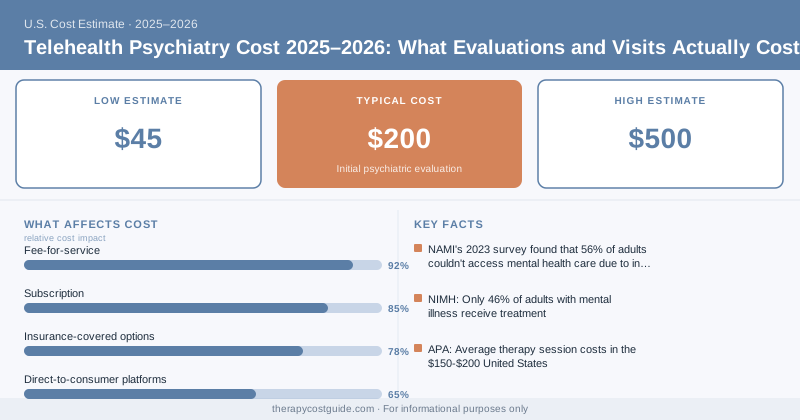
Telehealth Psychiatry Cost 2025–2026: What Evaluations and Visits Actually Cost
{ if eq .Lang "zh" }{ else }{ end }In 2010, there were roughly 0.3 psychiatrists per 1,000 people in the U.S. In 2024, the ratio is nearly unchanged — but demand has roughly doubled. The result: wait times of 3–6 months for an in-person psychiatric appointment are now common in most metro areas. Telehealth psychiatry exists largely because of that gap.
Here’s what it costs and how to navigate it.
Telehealth Psychiatry Visit Costs
Costs vary by visit type, provider credential, and whether you’re using insurance. Here’s the typical out-of-pocket range.
| Visit Type | Out-of-Pocket Cost | Duration |
|---|---|---|
| Initial psychiatric evaluation | $200 – $500 | 45–75 minutes |
| Medication follow-up (monthly) | $100 – $200 | 20–30 minutes |
| Brief check-in / refill visit | $75 – $125 | 10–20 minutes |
| Therapy session (psychiatric NP w/ therapy) | $150 – $250 | 45–50 minutes |
| Intake + evaluation (subscription platform) | $99 – $199 first month | Varies by platform |
These are cash-pay rates. With insurance, initial evaluations often run $50–$150 after copay, and follow-ups $30–$80 depending on your plan’s mental health benefits.
What an Initial Telehealth Psychiatric Evaluation Covers
The initial evaluation is what most new patients are paying the most for. In a legitimate telehealth psychiatric evaluation, you should expect:
- Detailed mental health history (prior diagnoses, medication trials, hospitalizations)
- Current symptoms assessment using validated tools (PHQ-9, GAD-7, MDQ for bipolar, ASRS for ADHD)
- Medical history review relevant to psychiatric treatment
- Substance use history
- Diagnostic impression and treatment plan
- Medication discussion if applicable
What you won’t get that you would in a full in-person evaluation: physical examination, neuropsychological testing, comprehensive lab review (though a good telehealth psychiatrist will recommend labs and have you get them done locally).
Psychiatrist vs. Psychiatric NP vs. Therapist
Psychiatrists (MD/DO) have full prescribing authority and the most extensive diagnostic training. They’re also the hardest to access and most expensive. Psychiatric nurse practitioners (PMHNPs) can prescribe in most states and are more widely available via telehealth — often at lower cost. Licensed therapists provide talk therapy but cannot prescribe. Many telehealth platforms pair NPs for medication with therapists for counseling.Subscription vs. Fee-For-Service Telehealth Psychiatry
There are two main models for telehealth psychiatric care:
Fee-for-service: You pay per visit. This is closer to how traditional psychiatry works. Examples include Teladoc, MDLive, and private telehealth practices. Pros: flexibility, no monthly commitment. Cons: higher individual visit costs, scheduling can be unpredictable.
Subscription: You pay a flat monthly fee for a set number of visits or unlimited access. Examples include Cerebral ($99–$325/month), Brightside ($95–$349/month), and Done ($199/month). Pros: predictable monthly cost, typically faster access. Cons: quality varies, and some platforms use lower-cost care coordinators rather than licensed therapists for the support work.
Where to Find Telehealth Psychiatry
Insurance-covered options:
- Teladoc (through many employer plans)
- MDLive (BCBS, Cigna partnerships)
- Optum Behavioral Health telehealth
- Your insurance’s telehealth portal
Direct-to-consumer platforms:
- Talkiatry (psychiatrists only, insurance-based, $30–$100/visit with insurance)
- Cerebral
- Brightside
- Hims & Hers
Private practice telehealth:
- Many traditional psychiatrists moved to telehealth during COVID and kept it. Psychology Today’s therapist finder lets you filter for telehealth and insurance. Some of these providers offer the depth of in-person care with the convenience of video visits.
Controlled Substances and Telehealth: The DEA Rules
The COVID-19 public health emergency created a temporary exemption allowing telehealth prescribers to issue Schedule II controlled substances (Adderall, Ritalin, Xanax, etc.) without an in-person visit. That exemption expired in 2025.
Under current rules, prescribing Schedule II and most Schedule III–IV controlled substances via telehealth requires either:
- A prior in-person relationship with the prescriber, OR
- The patient being in a SAMHSA-registered treatment facility, OR
- State-specific rules that allow telehealth prescribing (several states have enacted their own allowances)
Insurance Coverage for Telehealth Psychiatry
The Mental Health Parity and Addiction Equity Act (MHPAEA) requires insurance plans to cover mental health care at parity with physical health — but enforcement has been inconsistent. NAMI’s 2023 survey found that 56% of adults couldn’t access mental health care due to insurance barriers.
Most major insurers cover telehealth psychiatry visits, but verify:
- Whether your specific plan covers video visits with psychiatric NPs vs. MDs only
- What your copay or coinsurance is for outpatient behavioral health
- Whether prior authorization is required for initial evaluations
- What your deductible is and whether it must be met first
Bottom Line
Telehealth psychiatry costs $200–$500 for an initial evaluation and $75–$200 for follow-up visits out of pocket. With insurance, costs drop significantly. The access advantage is real — telehealth typically gets you an appointment in days rather than months. The quality varies widely, so checking credentials and reading reviews of specific providers matters more than platform brand name alone.
{ if eq .Lang "zh" }Disclaimer: TherapyCostGuide provides cost information for educational purposes only. We are not a mental health provider and do not offer clinical advice or treatment. Cost ranges are based on national survey data and vary significantly by location, provider credentials, practice setting, and insurance plan. Always consult a licensed mental health professional for treatment decisions. If you are in crisis, call or text 988 (Suicide & Crisis Lifeline) or go to your nearest emergency room.