What Is a Superbill for Therapy? How It Gets You Money Back
{ if eq .Lang "zh" }{ else }{ end }Most patients assume that if their therapist doesn’t take insurance, insurance pays nothing. Wrong — at least for plenty of plans. The bridge between paying out of pocket and getting partly reimbursed is a single document called a superbill, and it usually costs you nothing.
A superbill is just a detailed, itemized receipt. Your therapist hands it to you (often monthly), you send it to your insurer, and if you have out-of-network benefits, money comes back to you. Think of it as a translator that turns your private receipt into something your insurance company will actually process.
What’s Actually On a Superbill
Insurers reject claims over tiny missing details, so a complete superbill matters. A proper one includes:
- The therapist’s name, credentials, and NPI (National Provider Identifier)
- The practice’s tax ID (EIN)
- Dates of service for each session
- The CPT code (90837 for 60-minute therapy, 90834 for 45-minute, 90791 for an intake)
- A diagnosis code (ICD-10, like F41.1 for generalized anxiety)
- The fee charged and proof you paid it
If any of those are missing, the claim can bounce. Always glance at a superbill before you submit it.
Key Takeaway
A superbill is a free itemized receipt your out-of-network therapist gives you. You submit it to your insurance plan yourself. If you have OON benefits and a met deductible, you get reimbursed a percentage of the allowed amount — often $90–$160 back on a $200 session.What It Costs You
The superbill itself is free — therapists are generally happy to provide one. Your real cost is the gap between what you pay and what gets reimbursed.
| Item | Cost |
|---|---|
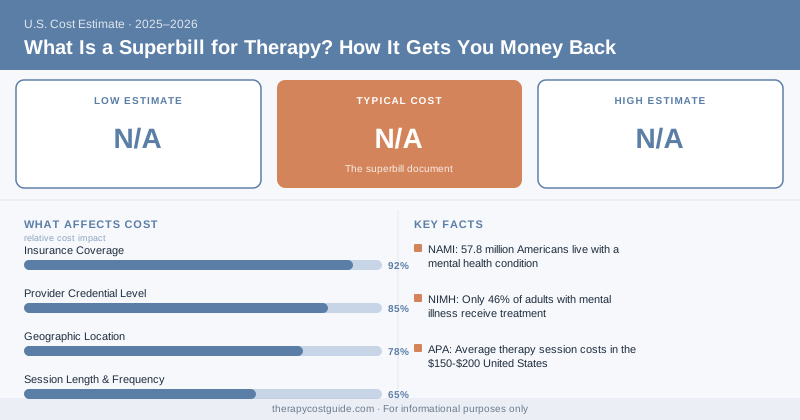
| The superbill document | $0 (provided by therapist) |
| Claim-filing apps (optional) | $1–$3 per claim or ~$10/month |
| Session fee you pay up front | $120–$250 |
| Typical reimbursement (OON, deductible met) | 50–80% of allowed amount |
| Net cost after reimbursement | $40–$120 per session |
You can file claims for free yourself through your insurer’s member portal. Apps like Reimbursify or Thrizer just automate it for a small fee.
How to Submit One
The steps are simpler than they look:
- Collect your superbill (most therapists send one per month)
- Log into your insurer’s member portal and find “submit an out-of-network claim”
- Upload the superbill and fill in the claim form
- Wait two to six weeks for an Explanation of Benefits and, hopefully, a check
Keep a copy of everything. If a claim gets denied, the insurance appeal process is your next move, and your paper trail is what wins appeals.
Why Superbills Matter More Than Ever
A 2024 KFF report found mental health providers are dramatically more likely to be out-of-network than other medical specialists, with out-of-network behavioral health visits running several times higher than for general medical care. So the odds that your therapist won’t take insurance directly are real — and the superbill is how millions of people claw back part of the cost.
APA practitioner surveys have shown therapist demand outstripping in-network availability for years. That mismatch pushes more clients toward out-of-network providers, which makes knowing how to work a superbill genuinely valuable.
For the full reimbursement walkthrough, see our guide on out-of-network therapy reimbursement. To understand the coverage rules behind it all, start with therapy insurance coverage or does insurance cover therapy.
Frequently Asked Questions
Do all therapists give superbills? Most out-of-network therapists will, and many do it automatically each month. A few won’t assign diagnoses (some coaches, some couples specialists), and those can’t produce a usable superbill. Ask before your first session.
Will a diagnosis on my superbill follow me forever? The diagnosis goes into your insurance claim records, not a public file. It generally won’t affect employment, but it can matter for some individual life or disability insurance applications. If that worries you, therapy without a diagnosis paid in cash avoids it entirely.
Can I submit superbills for past sessions? Usually yes, within your plan’s timely-filing window — often 90 to 365 days from the date of service. Don’t sit on a stack of them; file regularly so you don’t miss the deadline.
{ if eq .Lang "zh" }Disclaimer: TherapyCostGuide provides cost information for educational purposes only. We are not a mental health provider and do not offer clinical advice or treatment. Cost ranges are based on national survey data and vary significantly by location, provider credentials, practice setting, and insurance plan. Always consult a licensed mental health professional for treatment decisions. If you are in crisis, call or text 988 (Suicide & Crisis Lifeline) or go to your nearest emergency room.