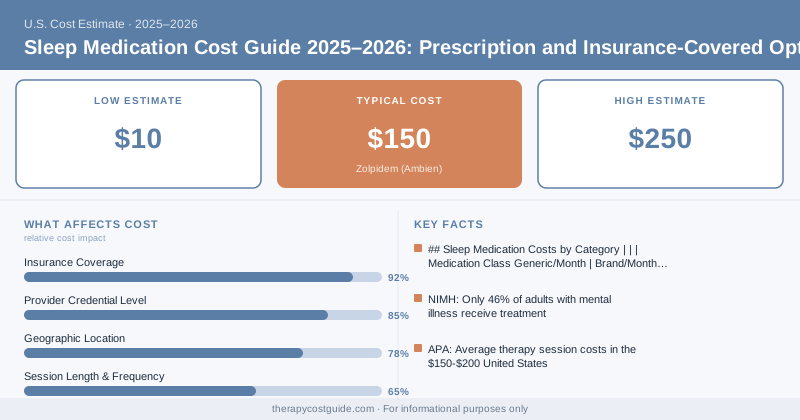
Sleep Medication Cost Guide 2025–2026: Prescription and Insurance-Covered Options
{ if eq .Lang "zh" }{ else }{ end }In 2000, a month of brand-name Ambien cost more than $90 with no generic alternative. Today, generic zolpidem costs $10–$20 — less than a single copay at most urgent care clinics. Sleep medication pricing has followed the same pattern as most psychiatric drugs: cheap once generic, expensive while patent-protected, and it pays to know exactly where each option sits on that timeline.
Sleep Medication Costs by Category
| Medication | Class | Generic/Month | Brand/Month |
|---|---|---|---|
| Zolpidem (Ambien) | Z-drug | $10 – $20 | $150 – $250 |
| Eszopiclone (Lunesta) | Z-drug | $15 – $30 | $200 – $300 |
| Trazodone (off-label) | Atypical antidepressant | $10 – $15 | N/A (generic only) |
| Doxepin, low-dose (Silenor) | Tricyclic, low dose | $10 – $20 | $150 – $200 |
| Suvorexant (Belsomra) | Orexin antagonist | $250 – $350 (limited generic) | N/A |
| Daridorexant (Quviviq) | Orexin antagonist | N/A yet | $350 – $450 |
| Lemborexant (Dayvigo) | Orexin antagonist | N/A yet | $350 – $450 |
| Melatonin (OTC, for comparison) | Supplement | $5 – $10 (OTC) | N/A |
Why Insurers Limit Sleep Medication Refills
CDC survey data has consistently shown that roughly a third of U.S. adults don’t get enough sleep on a regular basis, but most sleep medications — especially Z-drugs like zolpidem — are approved and studied for short-term use (typically 2–4 weeks), not indefinite nightly use. That’s why many insurance plans cap quantity at 10–15 pills per month rather than a full 30-day supply, expecting patients to use them intermittently rather than every night.
If you need nightly medication long-term, that quantity limit becomes a real practical problem — talk to your prescriber about either a formal prior authorization for extended use or a medication better suited to chronic use, like low-dose doxepin or trazodone.
Off-Label Trazodone: The Quiet Budget Favorite
Trazodone was originally developed as an antidepressant, but at low, off-label doses (25–100mg) it’s one of the most commonly prescribed sleep aids in the U.S. because it’s cheap ($10–$15/month), not habit-forming in the way Z-drugs and benzodiazepines can be, and doesn’t carry the same insurance quantity restrictions since it isn’t FDA-labeled specifically as a sleep medication.Are the Newer Orexin Antagonists Worth It?
Suvorexant, daridorexant, and lemborexant work through a completely different mechanism (blocking orexin, a wakefulness-promoting brain chemical) rather than sedating the whole brain like older drugs. They’re associated with less next-day grogginess for some patients and a lower dependence profile. But at $350–$450 a month with limited or no generic availability yet, they’re a significant jump from the $10–$30 generic options.
Most sleep specialists recommend trying a generic option first — and, critically, ruling out cognitive behavioral therapy for insomnia (CBT-I), which has stronger long-term evidence than any medication and no ongoing drug cost at all — before moving to a premium-priced newer drug.
Insurance Coverage
Generic sleep medications are typically covered at low copay tiers ($0–$15), often with the quantity limits described above. Newer orexin antagonists usually require prior authorization showing you’ve tried at least one or two older options first, similar to step therapy patterns seen with other psychiatric medications.
Bottom Line
Generic sleep medications cost $10–$30 a month and cover most patients’ needs for short-term use. Newer orexin antagonists cost 15–20x more and are best reserved for people who’ve tried and not tolerated older options. Quantity limits from insurers reflect real clinical guidance about short-term use — if you need medication nightly long-term, that’s worth a direct conversation with your prescriber.
{ if eq .Lang "zh" }Disclaimer: TherapyCostGuide provides cost information for educational purposes only. We are not a mental health provider and do not offer clinical advice or treatment. Cost ranges are based on national survey data and vary significantly by location, provider credentials, practice setting, and insurance plan. Always consult a licensed mental health professional for treatment decisions. If you are in crisis, call or text 988 (Suicide & Crisis Lifeline) or go to your nearest emergency room.