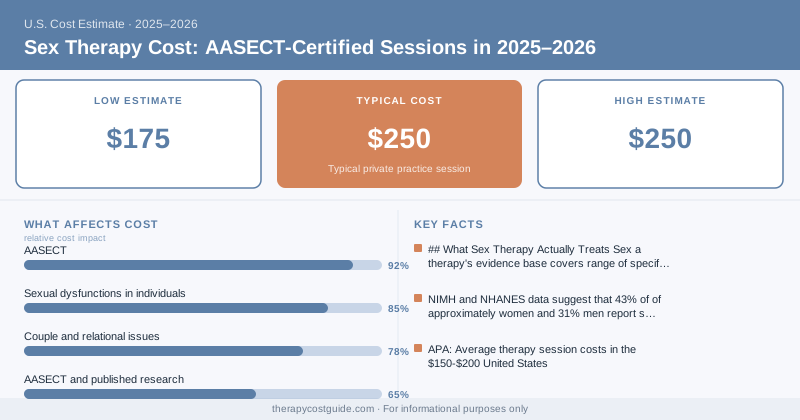
Sex Therapy Cost: AASECT-Certified Sessions in 2025–2026
{ if eq .Lang "zh" }{ else }{ end }Sex therapy is the most misunderstood specialty in mental health. No, it doesn’t involve physical contact between therapist and client. No, it isn’t primarily about relationship dysfunction. And no, the therapist doesn’t watch anything.
Sex therapy is talk therapy — specifically, psychotherapy that addresses sexual concerns, dysfunction, and intimacy issues using evidence-based clinical models. The only thing that distinguishes it from other therapy is the therapist’s specialized training and the clinical focus.
Sex Therapy Session Costs
| Provider Type | Cost Per Session | Notes |
|---|---|---|
| AASECT-certified sex therapist | $150 – $300 | Highest credential in the field |
| Licensed therapist with sex therapy training | $130 – $250 | Non-certified but trained |
| Couples sex therapy session | $175 – $350 | Typically longer, 75–90 min |
| Individual sex therapy session | $150 – $280 | Standard 50-minute session |
| Online sex therapy | $100 – $200 | Telehealth, certified providers |
| Typical private practice session | $175 – $250 | Most U.S. markets |
Sex therapy tends to cost slightly more than general therapy because of the specialized training required and because most practitioners work in private practice rather than clinic settings.
What AASECT Certification Means
AASECT — the American Association of Sexuality Educators, Counselors and Therapists — is the primary credentialing body for sex therapy in the United States. Their Certified Sex Therapist (CST) credential requires:
- Existing licensure as a mental health professional (LCSW, LPC, psychologist, MFT, or physician)
- Completion of AASECT-approved coursework in human sexuality (minimum 90 hours)
- 150+ hours of supervised sex therapy practice
- Personal supervised therapy to address the therapist’s own sexuality issues
- Passing AASECT’s examination
The full certification process typically takes 3–5 years beyond the therapist’s initial licensure. That training investment is why AASECT-certified therapists command premium fees.
To verify a therapist’s AASECT certification, use the directory at aasect.org/referral-network.
What Sex Therapy Actually Treats
Sex therapy’s evidence base covers a range of specific conditions:
Sexual dysfunctions in individuals:
- Erectile dysfunction (ED) — particularly when psychological factors are primary
- Female sexual interest/arousal disorder
- Orgasmic disorder in women and delayed ejaculation in men
- Genitopelvic pain/penetration disorder (vaginismus, dyspareunia)
- Hypersexual disorder / problematic sexual behaviors
- Sexual side effects of medications (especially antidepressants)
Couple and relational issues:
- Sexual desire discrepancy (mismatched libidos)
- Intimacy avoidance
- Recovery from sexual trauma affecting the relationship
- Post-medical treatment sexual adjustment (cancer, heart surgery, chronic pain)
AASECT and published research note that psychological factors account for 40–60% of erectile dysfunction cases, especially in men under 50. A course of sex therapy for psychologically-based ED typically achieves meaningful improvement in 8–15 sessions — comparable to medication for many patients.
Sensate Focus: The Core Sex Therapy Technique
Most sex therapy uses sensate focus — a structured series of touching exercises developed by Masters and Johnson in the 1960s that deliberately removes pressure to perform and rebuilds positive sensory experience. Couples complete assigned exercises between sessions; therapy sessions debrief the experience and address psychological and relational barriers that emerge. It sounds simple, but the technique is specific and the way a skilled therapist guides it is substantively different from generic relationship advice. This is the clinical work — not watching anything, not physically involved, entirely verbal and directive.Does Insurance Cover Sex Therapy?
Sex therapy is covered by insurance when it’s delivered by a licensed mental health professional billing for a recognized DSM-5 diagnosis. Relevant billable diagnoses include:
- F52.0 (Hypoactive sexual desire disorder)
- F52.21 (Erectile disorder)
- F52.31 (Female orgasmic disorder)
- F52.6 (Dyspareunia / genito-pelvic pain)
- F52.9 (Unspecified sexual dysfunction)
- F65.x (Paraphilic disorders)
- F52.8 (Other sexual dysfunctions)
The provider billing under these codes must hold a clinical license (LCSW, LPC, MD, etc.) — the AASECT certification alone isn’t a billing credential. Most AASECT-certified therapists hold underlying clinical licensure.
The practical limitation: many sex therapists operate primarily out of network because they’re in private practice, and not all insurers readily approve sexual dysfunction diagnoses without challenge. Expect to potentially navigate prior authorization.
NIMH and NHANES data suggest that approximately 43% of women and 31% of men report sexual dysfunction — making this a highly prevalent, underdiagnosed, and undertreated category of mental health conditions.
How Many Sessions Does Sex Therapy Take?
- Sexual dysfunction (individual): 8–16 sessions for most presentations
- Couples sexual concerns: 12–20 sessions, often with homework assignments between sessions
- Sexual trauma affecting current functioning: 15–25+ sessions, often including trauma-focused components
- Post-medical adjustment: 6–12 sessions after addressing the physical component
At $175/session for 12 sessions: $2,100 out of pocket. With insurance covering sessions under a sexual dysfunction diagnosis: $240–$720 in copays for the same 12 sessions.
Finding an AASECT-Certified Sex Therapist
- AASECT referral network: aasect.org/referral-network — searchable by location and specialty
- Psychology Today: Filter by “sexuality” or “sexual dysfunction” specialty
- SSTAR (Society for Sex Therapy and Research): sstarnet.org has a therapist directory
The field is small — approximately 2,500–3,000 AASECT-certified therapists in the U.S. — which means geographic access is limited in many regions. Telehealth has significantly expanded access for people outside major metro areas.
{ if eq .Lang "zh" }Disclaimer: TherapyCostGuide provides cost information for educational purposes only. We are not a mental health provider and do not offer clinical advice or treatment. Cost ranges are based on national survey data and vary significantly by location, provider credentials, practice setting, and insurance plan. Always consult a licensed mental health professional for treatment decisions. If you are in crisis, call or text 988 (Suicide & Crisis Lifeline) or go to your nearest emergency room.