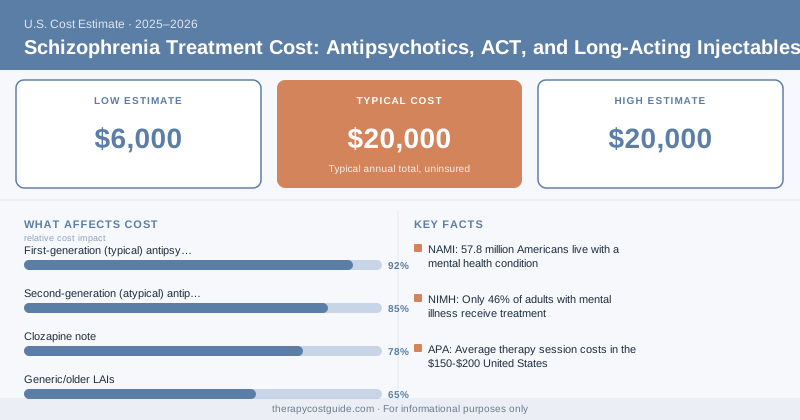
Schizophrenia Treatment Cost: Antipsychotics, ACT, and Long-Acting Injectables
{ if eq .Lang "zh" }{ else }{ end }Schizophrenia affects about 1% of the world’s population — roughly 3.5 million Americans. It’s one of the most expensive mental health conditions to treat long-term, partly because it’s chronic, and partly because the medication landscape ranges from $10/month generics to $20,000/month brand-name long-acting injectables.
According to NAMI, schizophrenia affects approximately 1 in 100 people and is associated with a life expectancy 15–20 years shorter than the general population, primarily due to physical health comorbidities and barriers to care. Despite this, most people with schizophrenia can live meaningful lives with consistent treatment.
The Core Components of Schizophrenia Treatment
Schizophrenia treatment typically combines:
- Antipsychotic medication — the cornerstone; ongoing indefinitely for most people
- Psychiatric care — a psychiatrist or psychiatric NP for medication management
- Psychosocial support — therapy, case management, skills training, or ACT (Assertive Community Treatment)
- Coordinated Specialty Care (CSC) — for first-episode psychosis, multidisciplinary team-based care
| Treatment Component | Monthly Cost (Self-Pay) | Annual Cost |
|---|---|---|
| Generic antipsychotic (daily oral) | $30–$100 | $360–$1,200 |
| Brand antipsychotic (daily oral) | $800–$2,000 | $9,600–$24,000 |
| Long-acting injectable (LAI), generic | $300–$800/injection | $3,600–$9,600 |
| Long-acting injectable (LAI), brand | $2,000–$6,000/injection | $24,000–$72,000 |
| Psychiatric visits (monthly) | $150–$400 | $1,800–$4,800 |
| Typical annual total, insured | — | $2,000–$6,000 |
| Typical annual total, uninsured | — | $6,000–$20,000 |
Antipsychotic Medications: Costs Across Generations
First-generation (typical) antipsychotics — Older medications; all are generic, cheap, effective for positive symptoms but cause significant side effects (movement disorders):
- Haloperidol (Haldol): $10–$30/month
- Chlorpromazine (Thorazine): $20–$50/month
Second-generation (atypical) antipsychotics — Preferred for most patients; most are now available as generics:
- Risperidone (Risperdal, generic): $25–$60/month
- Olanzapine (Zyprexa, generic): $20–$50/month
- Quetiapine (Seroquel, generic): $30–$70/month
- Aripiprazole (Abilify, generic): $20–$50/month
- Clozapine (Clozaril, generic): $80–$200/month (requires weekly blood monitoring; reserved for treatment-resistant schizophrenia)
Clozapine note: Clozapine is the most effective antipsychotic for treatment-resistant schizophrenia but requires ongoing blood monitoring (CBC weekly for 6 months, then biweekly, then monthly). The monitoring adds cost but detects rare but serious agranulocytosis.
Long-Acting Injectables (LAIs): High Upfront, Crucial Value
LAIs are antipsychotic medications given by injection every 2–12 weeks instead of daily pills. They’re critical for patients with adherence difficulties — and non-adherence is one of the primary causes of relapse and hospitalization in schizophrenia.
Generic/older LAIs:
- Haloperidol decanoate (generic): $150–$400 per injection (monthly)
- Fluphenazine decanoate (generic): $100–$300 per injection (every 2–3 weeks)
Brand LAIs (expensive but highly prescribed):
- Risperdal Consta (risperidone LAI): $1,500–$2,500 per injection (bimonthly); generic becoming available
- Invega Sustenna (paliperidone monthly): $3,000–$5,000 per injection
- Invega Trinza (paliperidone 3-month): $9,000–$15,000 per injection
- Abilify Maintena (aripiprazole monthly): $2,000–$4,000 per injection
With Medicaid or Medicare Part D, LAIs are typically covered with manageable copays. The cost calculus often favors LAIs even at high price points because they significantly reduce hospitalizations — each inpatient admission costs $15,000–$40,000.
ACT (Assertive Community Treatment): The Model That Changes Outcomes
Assertive Community Treatment is a team-based outpatient model where a multidisciplinary team (psychiatrist, social worker, nurse, peer support specialist) provides flexible, intensive community-based support — including meeting patients where they are, not just in clinic offices.
ACT is the gold standard for people with severe schizophrenia who have trouble staying connected to traditional outpatient care. NAMI and SAMHSA both recognize ACT as evidence-based.
ACT programs are typically funded through Medicaid or state mental health systems, making them low-cost or free for eligible patients. Find ACT programs through your county behavioral health authority.
Coordinated Specialty Care for First-Episode Psychosis
For people experiencing their first episode of psychosis, Coordinated Specialty Care (CSC) programs provide early, intensive, team-based care. NIMH-funded RAISE studies showed CSC produces dramatically better outcomes than treatment as usual.
CSC programs include psychiatric care, therapy, supported employment/education, family education, and medication management — typically provided for 2 years. Many are funded through state behavioral health systems and available at low or no cost. Find CSC programs through NAMI or your state mental health department.
Insurance Coverage
Most people with schizophrenia qualify for Medicaid due to functional limitations, which makes antipsychotics and psychiatric care affordable. With Medicaid:
- Generic antipsychotics: $0–$3 copay
- Brand LAIs: Covered with prior authorization; copay $0–$10 in most states
- Psychiatric visits: $0–$5 copay
Disclaimer: TherapyCostGuide provides cost information for educational purposes only. We are not a mental health provider and do not offer clinical advice or treatment. Cost ranges are based on national survey data and vary significantly by location, provider credentials, practice setting, and insurance plan. Always consult a licensed mental health professional for treatment decisions. If you are in crisis, call or text 988 (Suicide & Crisis Lifeline) or go to your nearest emergency room.