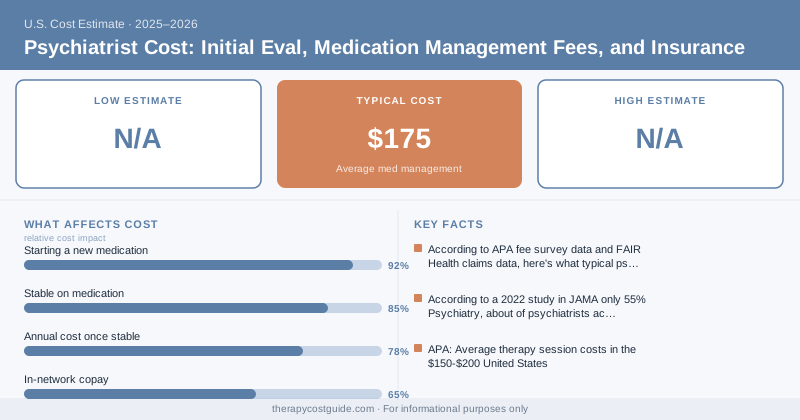
Psychiatrist Cost: Initial Eval, Medication Management Fees, and Insurance
{ if eq .Lang "zh" }{ else }{ end }In 2022, the average wait time to see a psychiatrist in the United States was 25 days — and that was just to get the appointment. Then came the bill.
A psychiatrist initial evaluation running $400–$500 catches a lot of people off guard, especially if they were expecting something closer to a regular doctor’s office copay. Here’s the complete cost picture for psychiatric care.
What Psychiatrists Charge
Psychiatrists are medical doctors (MD or DO) who specialize in mental health. They can prescribe medication, and many focus primarily on medication management rather than talk therapy. Their fees reflect a physician-level training investment.
According to APA fee survey data and FAIR Health claims data, here’s what typical psychiatric services cost:
| Service | Typical Cost (No Insurance) | Time |
|---|---|---|
| Initial psychiatric evaluation | $300 – $600 | 45–90 min |
| Medication management follow-up | $150 – $350 | 15–30 min |
| Combined med + therapy session | $250 – $450 | 45–60 min |
| Phone or portal consultation | $50 – $150 | 10–15 min |
| Average initial eval | $350 – $500 | |
| Average med management | $175 – $300 |
The Initial Evaluation: What It Costs and What Happens
The first appointment with a psychiatrist is a comprehensive evaluation — not a quick intake. Expect to discuss your full mental health history, medical history, current symptoms, previous treatments and medications, family psychiatric history, and functional status. A thorough evaluation takes 60–90 minutes.
This is the expensive one. Many psychiatrists in private practice charge $350–$600 for the initial evaluation and a lower rate for follow-ups. The evaluation fee reflects the time and expertise involved — it takes far longer than a follow-up visit to gather the information needed for accurate diagnosis.
After the evaluation, you’ll typically receive a diagnosis, a treatment plan, and if appropriate, a prescription. Some psychiatrists also provide psychotherapy (“med + therapy” practices), which are increasingly rare but exist. Most psychiatrists today focus on medication management only.
Medication Management Follow-Ups
Once you’re stable on medication, follow-up appointments are shorter. A 15–30 minute medication management visit covers how you’re tolerating the medication, any side effects, mood and symptom tracking, and prescription refills.
These run $150–$300 per visit in private practice. Visit frequency depends on where you are in treatment:
- Starting a new medication: typically every 2–4 weeks until stable
- Stable on medication: every 3 months is common; some psychiatrists do every 6 months
- Annual cost once stable: 3–4 visits × $200 average = $600–$800 per year for medication management alone
That doesn’t include the cost of the medications themselves.
The Psychiatrist Shortage: Why You Can't Just Book an Appointment
The U.S. has roughly 30,000 practicing psychiatrists for a population of 330 million — about 9 per 100,000 people, with enormous geographic disparities. Rural areas are far worse. This shortage is why wait times are long and why many psychiatrists have stopped taking insurance entirely (insurance reimbursement rates haven’t kept up with what psychiatrists can earn in private cash-pay practices).
For straightforward medication management (SSRIs for depression or anxiety, ADHD medication), a primary care physician or psychiatric nurse practitioner (PMHNP) can often prescribe competently and has much shorter wait times. PMHNPs typically charge 20–30% less than psychiatrists.
Insurance Coverage for Psychiatry
Psychiatry is a medical specialty, and in-network psychiatric visits are covered by most health insurance plans like any other specialist visit. The Mental Health Parity and Addiction Equity Act requires insurers to apply the same cost-sharing rules to mental health benefits as to medical/surgical benefits.
In practice:
- In-network copay: typically $30–$60 for a follow-up, $50–$100 for an initial eval (after deductible)
- Out-of-network: you pay the full rate upfront, then submit for partial reimbursement
The reality check: a large share of psychiatrists don’t accept insurance. According to a 2022 study in JAMA Psychiatry, only about 55% of psychiatrists accepted private insurance, down from higher levels a decade ago. The percentage accepting Medicaid is even lower.
Alternatives to Private-Practice Psychiatry
Psychiatric nurse practitioners (PMHNPs) — Master’s or doctoral level advanced practice nurses who can prescribe psychiatric medications. They typically charge 20–30% less than psychiatrists and often have shorter wait times. For most straightforward medication management, they’re an equivalent option.
Telehealth psychiatry — Platforms like Talkiatry, Cerebral, and Done Global connect you with psychiatrists or PMHNPs via video. Initial evaluations: $200–$350. Follow-ups: $100–$200. Some accept insurance; most do not. More availability than local psychiatrists.
Federally Qualified Health Centers (FQHCs) — Community health centers that offer psychiatric services on a sliding scale. If you qualify, this can bring medication management costs to $20–$60 per visit. Find locations at findahealthcenter.hrsa.gov.
Disclaimer: TherapyCostGuide provides cost information for educational purposes only. We are not a mental health provider and do not offer clinical advice or treatment. Cost ranges are based on national survey data and vary significantly by location, provider credentials, practice setting, and insurance plan. Always consult a licensed mental health professional for treatment decisions. If you are in crisis, call or text 988 (Suicide & Crisis Lifeline) or go to your nearest emergency room.