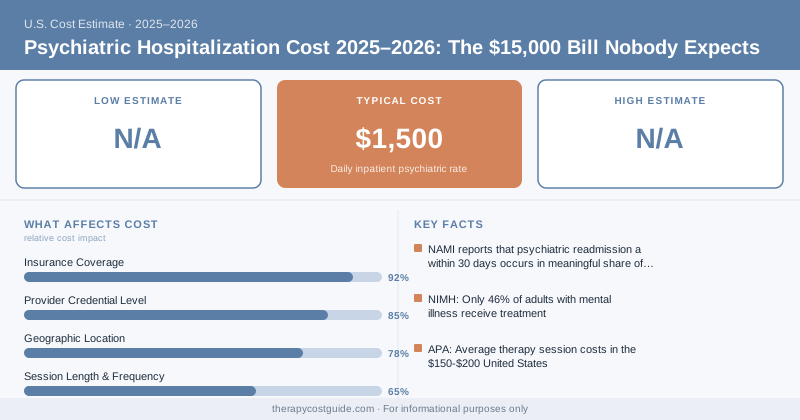
Psychiatric Hospitalization Cost 2025–2026: The $15,000 Bill Nobody Expects
{ if eq .Lang "zh" }{ else }{ end }The bill arrives two weeks after discharge: $22,400 for five days. No surgery, no broken bones — just round-the-clock psychiatric monitoring during a mental health crisis. Almost nobody who’s hospitalized for a psychiatric emergency sees that number coming beforehand, because nobody discusses cost in the middle of a crisis, and they shouldn’t. But understanding it afterward matters for what comes next.
Psychiatric Hospitalization Costs
| Component | Typical Cost |
|---|---|
| Daily inpatient psychiatric rate | $1,500 – $3,000/day |
| Average stay length | 3 – 7 days |
| Typical total, uninsured | $10,000 – $30,000 |
| ER evaluation/admission (before inpatient) | $1,000 – $3,000 |
| Psychiatrist daily rounding fee (separate billing) | $150 – $400/day |
| Typical out-of-pocket with insurance (after deductible/coinsurance) | $500 – $5,000 |
Why It’s So Expensive
Psychiatric inpatient units require continuous nursing staff, physician oversight, safety monitoring (including line-of-sight checks for patients at risk), and a secure physical environment — all of which cost roughly the same to operate as a medical inpatient unit, but without the procedure-based revenue (surgery, imaging, specialized equipment use) that offsets costs on medical floors. The daily rate reflects staffing and monitoring intensity, not medication or “treatment” in a narrow sense.
Separately, the treating psychiatrist typically bills for daily rounding visits distinct from the facility’s daily rate — a detail that surprises many patients who assumed the facility bill covered everything.
You Cannot Be Turned Away From Emergency Stabilization
The Emergency Medical Treatment and Labor Act (EMTALA) legally requires any hospital emergency department that accepts Medicare to evaluate and stabilize anyone experiencing a medical or psychiatric emergency, regardless of insurance status or ability to pay. This means acute crisis stabilization cannot be denied over cost — though it doesn’t mean the resulting bill disappears; billing and payment plans are addressed after stabilization, not before.What Insurance Actually Covers — and What It Fights Over
The Mental Health Parity and Addiction Equity Act requires insurers to cover psychiatric hospitalization comparably to medical hospitalization. In practice:
- Your deductible and coinsurance still apply, same as any hospitalization
- Insurers conduct ongoing utilization review during the stay — sometimes pushing the treatment team toward earlier discharge than clinically ideal, which occasionally leads to appeals or extended-stay disputes
- Inpatient psychiatric hospitalization that follows a documented suicide attempt or acute safety risk is generally the easiest to get approved and covered; hospitalization for less acute reasons faces more scrutiny
What Happens After Discharge Matters for Cost Too
A psychiatric hospitalization is rarely the end of treatment — most patients are discharged with a follow-up plan involving outpatient therapy, medication management, and sometimes a step-down level of care like partial hospitalization or intensive outpatient treatment. Budgeting only for the hospitalization itself, without the follow-up care that reduces readmission risk, is a common and costly mistake.
NAMI reports that psychiatric readmission within 30 days occurs in a meaningful share of discharges nationally, often linked to inadequate follow-up care access — reinforcing that the discharge plan, not just the hospitalization itself, determines whether that $20,000+ bill becomes a one-time event or a recurring one.
If You Can’t Afford the Bill
- Ask the hospital’s financial assistance/charity care office — most nonprofit hospitals are required to offer charity care programs, and many people qualify without knowing to ask
- Negotiate a payment plan directly with hospital billing — most facilities will set up an interest-free monthly plan rather than sending a full balance to collections
- Appeal insurance length-of-stay denials — if you believe you were discharged too early or a stay was denied unfairly, formal appeals succeed more often than most patients expect
Bottom Line
Psychiatric hospitalization costs $1,500–$3,000 a day, totaling $10,000–$30,000 for a typical 3–7 day stay uninsured. Insurance is legally required to cover medically necessary stays, though deductibles, coinsurance, and utilization review still apply. EMTALA guarantees emergency stabilization regardless of ability to pay.
{ if eq .Lang "zh" }Disclaimer: TherapyCostGuide provides cost information for educational purposes only. We are not a mental health provider and do not offer clinical advice or treatment. Cost ranges are based on national survey data and vary significantly by location, provider credentials, practice setting, and insurance plan. Always consult a licensed mental health professional for treatment decisions. If you are in crisis, call or text 988 (Suicide & Crisis Lifeline) or go to your nearest emergency room.