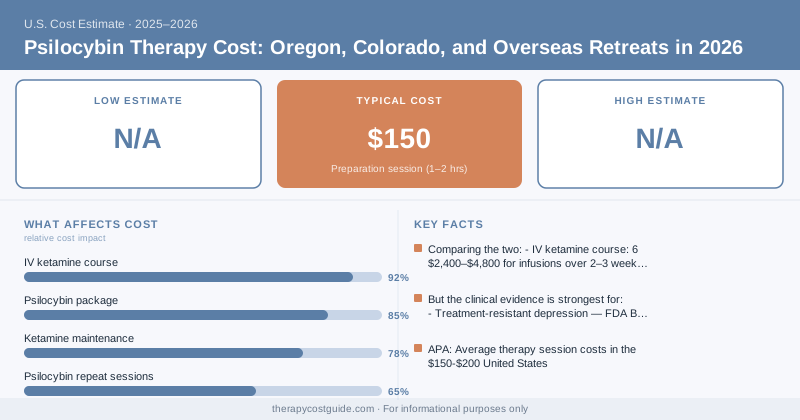
Psilocybin Therapy Cost: Oregon, Colorado, and Overseas Retreats in 2026
{ if eq .Lang "zh" }{ else }{ end }$2,500 for a single day of therapy. That’s the going rate in Oregon for a legal psilocybin session — and for a growing number of people with treatment-resistant depression, it’s money they say changed their lives.
Psilocybin-assisted therapy is no longer fringe. The FDA granted it Breakthrough Therapy designation for treatment-resistant depression in 2018 and for major depressive disorder in 2019 — the fastest-track status the agency offers. Oregon launched the first legal adult-use psilocybin service program in 2023. Colorado followed in 2024. The science is serious, and the access — limited as it still is — is real.
Here’s what it actually costs, where you can legally access it, and how to think about the investment.
What Psilocybin Therapy Costs in the U.S.
Oregon and Colorado are the only U.S. states with legal psilocybin service programs as of 2026. Both require a licensed facilitator, and both structure services similarly: a preparation session, the psilocybin session itself, and an integration session afterward.
| Service Component | Typical Cost | Notes |
|---|---|---|
| Preparation session (1–2 hrs) | $150 – $400 | Required before dosing |
| Psilocybin session (4–8 hrs) | $800 – $2,000 | Core experience; includes facilitator fee + psilocybin cost |
| Integration session (1–2 hrs) | $150 – $400 | Follow-up processing |
| Full package (all three) | $1,500 – $3,500 | Most Oregon/Colorado centers bundle these |
| Additional integration sessions | $120 – $250 each | Many people choose 2–4 post-session integrations |
The wide range reflects real variation: a solo facilitator working from a licensed home space might charge $1,500 total. A clinical center with medical oversight, private rooms, and a full therapeutic team can charge $3,500 or more for essentially the same regulatory package.
What Drives the Price
Oregon’s licensing requires facilitators to complete a 160-hour training program plus supervised practicums — roughly the same investment as getting a realtor’s license plus additional supervised hours. That credential cost gets passed to clients. Oregon also taxes psilocybin services at 15%, and service centers carry significant overhead (licensing, compliance, specialized space). The psilocybin itself is a small fraction of the cost.Overseas Retreats: Jamaica, Netherlands, Costa Rica
Because psilocybin is illegal at the federal level in the U.S., many Americans seek treatment abroad where it’s legal or decriminalized. Several countries host established retreat programs with therapeutic frameworks:
| Location | Price Range | Program Length | Notes |
|---|---|---|---|
| Jamaica | $1,500 – $4,000 | 3–5 days | Psilocybin fully legal; established retreat centers |
| Netherlands | $1,500 – $3,500 | 2–4 days | Uses magic truffles (psilocybin mushrooms technically legal) |
| Costa Rica | $1,800 – $5,000 | 4–7 days | Decriminalized; often combined with other plant medicines |
| Peru/Mexico | $1,200 – $3,500 | 5–10 days | Varies widely; vetting quality is critical |
These prices typically include accommodation, meals, pre-retreat preparation calls, the ceremony or session itself, and post-retreat integration support. They don’t include flights, which can add $400–$1,200 from most U.S. cities.
A 2023 study published in Nature Medicine found that psilocybin therapy produced significant reductions in depression scores in patients with treatment-resistant major depressive disorder, with effects lasting at least 12 weeks after a single high-dose session. That durability — 3+ months from one treatment — is part of why the cost-per-improvement math looks different than weekly therapy.
How This Compares to Ketamine
Ketamine therapy is the more established psychedelic-adjacent option for treatment-resistant depression. Comparing the two:
- IV ketamine course: $2,400–$4,800 for 6 infusions over 2–3 weeks
- Psilocybin package: $1,500–$3,500 for prep + session + integration
- Ketamine maintenance: Many patients need booster infusions every 4–8 weeks, adding $300–$600 per session long-term
- Psilocybin repeat sessions: Research suggests effects last longer; many patients don’t need monthly sessions
The practical difference: ketamine often works faster (relief within hours) but may require ongoing maintenance. Psilocybin sessions are longer and more intense but show durable effects from fewer treatments in many trial participants.
Insurance Coverage: The Short Answer Is No
Psilocybin remains Schedule I under federal law. No U.S. health insurance plan covers it, and that won’t change until federal rescheduling occurs or states mandate coverage — neither of which has happened as of 2026.
A 2024 survey by the Psychedelic Medicine Coalition found that cost was the single biggest barrier cited by Americans interested in psilocybin therapy. Several Oregon centers offer sliding-scale fees or payment plans, but they’re not universal — ask directly before booking.
Who’s a Candidate
Oregon and Colorado don’t require a diagnosis for psilocybin services — it’s framed as adult wellness, not medical treatment. But the clinical evidence is strongest for:
- Treatment-resistant depression — FDA Breakthrough Therapy designation; multiple Phase 2 trials showing response rates of 50–70%
- Major depressive disorder — A 2021 Johns Hopkins study found psilocybin therapy produced rapid, sustained antidepressant effects in adults with major depression
- Anxiety associated with life-threatening illness — Several trials at NYU and Johns Hopkins showed reduced anxiety and depression in cancer patients
- OCD, addiction (tobacco, alcohol) — Early-stage but promising trial data
NIMH reports that 21 million American adults experienced at least one major depressive episode in 2022. For the estimated 30% who don’t respond adequately to standard antidepressants, psilocybin therapy represents a meaningful new option — expensive, but real.
What to Ask Before Booking
Before committing to a center or retreat, ask:
- Is the facilitator licensed (Oregon/Colorado) or does the retreat location have a verifiable legal framework?
- Is there a licensed mental health clinician involved in preparation and integration?
- What’s the screening process? (Any center skipping a thorough health history is a red flag)
- What’s the policy if you have a difficult experience?
- What does the full package cost, with no surprises?
The field is moving fast. FDA approval for psilocybin for treatment-resistant depression could come within the next 2–3 years, which would push insurance coverage and reduce out-of-pocket costs significantly. For now, it’s a significant personal investment — but for the right candidates, the evidence suggests it may be one of the most effective mental health treatments available.
{ if eq .Lang "zh" }Disclaimer: TherapyCostGuide provides cost information for educational purposes only. We are not a mental health provider and do not offer clinical advice or treatment. Cost ranges are based on national survey data and vary significantly by location, provider credentials, practice setting, and insurance plan. Always consult a licensed mental health professional for treatment decisions. If you are in crisis, call or text 988 (Suicide & Crisis Lifeline) or go to your nearest emergency room.