Phobia Treatment Cost: Exposure Therapy for Specific and Social Phobias
{ if eq .Lang "zh" }{ else }{ end }What does a phobia of flying actually cost to treat? About 6–8 sessions of exposure therapy — $900 to $1,600 out of pocket. Compare that to a lifetime of booking ground transportation, or missing opportunities because a 3-hour flight felt impossible. The math on phobia treatment is usually pretty straightforward.
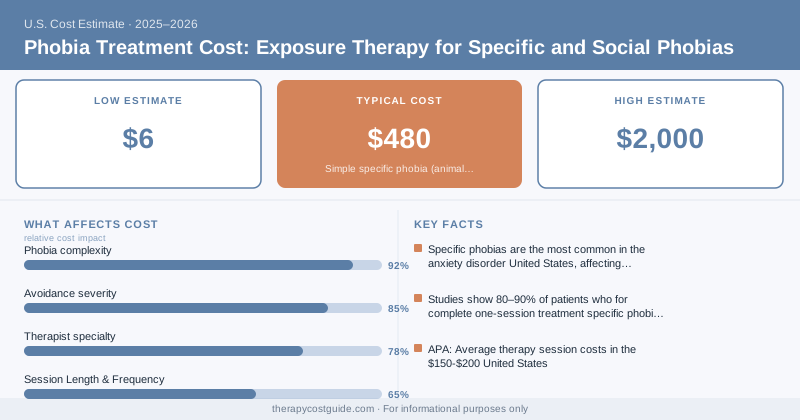
Specific phobias are the most common anxiety disorder in the United States, affecting approximately 12.5% of adults at some point in their lifetime, according to NIMH. Despite this prevalence — and despite the fact that most specific phobias respond to a brief course of treatment — fewer than 20% of people with phobias ever seek treatment.
What Types of Phobias Cost Different Amounts to Treat
Phobias fall into several categories, and treatment length (and therefore cost) varies:
- Specific phobia (animal type): Fear of spiders, dogs, snakes — typically 6–8 sessions
- Specific phobia (natural environment type): Fear of heights, storms, water — typically 6–10 sessions
- Specific phobia (blood-injection-injury type): Fear of needles, blood, medical procedures — 4–8 sessions; requires specific technique (applied tension, not standard exposure)
- Specific phobia (situational type): Fear of flying, driving, enclosed spaces — 8–12 sessions
- Social anxiety disorder (formerly social phobia): More complex; typically 12–20 sessions
| Phobia Type | Sessions Needed | Self-Pay Total | With Insurance |
|---|---|---|---|
| Simple specific phobia (animal, natural) | 6–8 | $900–$2,000 | $120–$480 |
| Situational phobia (flying, driving) | 8–12 | $1,200–$3,000 | $160–$720 |
| Blood-injection-injury phobia | 4–8 | $600–$2,000 | $80–$480 |
| Social anxiety disorder | 12–20 | $1,800–$5,000 | $240–$1,200 |
| VR-assisted exposure therapy (per session) | — | $200–$400/session | Varies |
Exposure Therapy: The Treatment That Works
Exposure therapy (specifically Graduated Exposure or Systematic Desensitization) is the evidence-based first-line treatment for specific phobias. The therapist works with you to gradually approach the feared object or situation, starting from least scary to most scary in a structured hierarchy.
For specific phobias, a single intensive session (2–3 hours, sometimes called “one-session treatment”) has strong evidence for producing significant improvement in a single appointment. Studies show 80–90% of patients who complete one-session treatment for specific phobias show clinically meaningful improvement.
One-session treatment costs $300–$600 for the extended session. That’s exceptional value compared to weekly sessions over months.
Virtual Reality (VR) Exposure Therapy
VR exposure therapy uses immersive virtual environments to simulate feared situations — useful for phobias where in-real-life exposure is difficult to arrange (flying, heights, spiders that are hard to bring into an office).
VR exposure sessions cost $150–$400/session, similar to standard therapy. Some therapists have invested in VR systems; telehealth VR options are also emerging. The evidence base for VR exposure is strong — comparable to in-person exposure for specific phobias.
Why Avoidance Is More Expensive Than Treatment
The annual economic cost of an untreated flying phobia might include: ground transportation (if driving replaces flying), missed professional opportunities, or simply paying more for routes that avoid flying.
NIMH research indicates specific phobias are among the most responsive conditions to brief psychotherapy — 6–8 sessions produces remission for the majority of patients with common specific phobias. This makes phobia treatment one of the highest-return mental health investments per session.
Social anxiety disorder is more complex and requires longer treatment — 12–20 sessions — but still responds well to structured CBT.
Blood-Injection-Injury Phobia: A Special Case
Blood-injury-injection phobia is the one type of phobia that requires a different exposure technique. Most fears produce anxiety (elevated heart rate, blood pressure). Blood-injury-injection phobia produces a unique biphasic response: initial arousal followed by a sudden drop in blood pressure and heart rate that can cause fainting.
The treatment — Applied Tension — teaches the opposite of relaxation: tensing large muscle groups to raise blood pressure and prevent fainting during exposure. Therapists need specific training in this technique.
Finding a therapist who knows applied tension is harder than finding a general CBT therapist — expect to pay $150–$250/session, and confirm the therapist knows this specific technique.
What Affects Phobia Treatment Cost
Phobia complexity — Single, circumscribed phobia with no comorbid anxiety responds fastest. Multiple phobias or phobia plus generalized anxiety takes longer.
Avoidance severity — If someone has been severely avoiding the feared situation for 10+ years, more preparatory work may be needed before exposure can begin.
Therapist specialty — Exposure therapy requires active technique. A therapist who relies on relaxation and talk without actual exposure won’t produce the same outcomes.
Disclaimer: TherapyCostGuide provides cost information for educational purposes only. We are not a mental health provider and do not offer clinical advice or treatment. Cost ranges are based on national survey data and vary significantly by location, provider credentials, practice setting, and insurance plan. Always consult a licensed mental health professional for treatment decisions. If you are in crisis, call or text 988 (Suicide & Crisis Lifeline) or go to your nearest emergency room.