Panic Disorder Treatment Cost: CBT, Medication, and What to Expect
{ if eq .Lang "zh" }{ else }{ end }Most panic disorder treatment isn’t actually that long. 10–20 sessions of CBT resolves panic disorder in the majority of people who complete it — making this one of the better conditions from a treatment cost perspective. The problem is most people don’t know that, so they keep treating symptoms indefinitely instead of addressing the underlying condition.
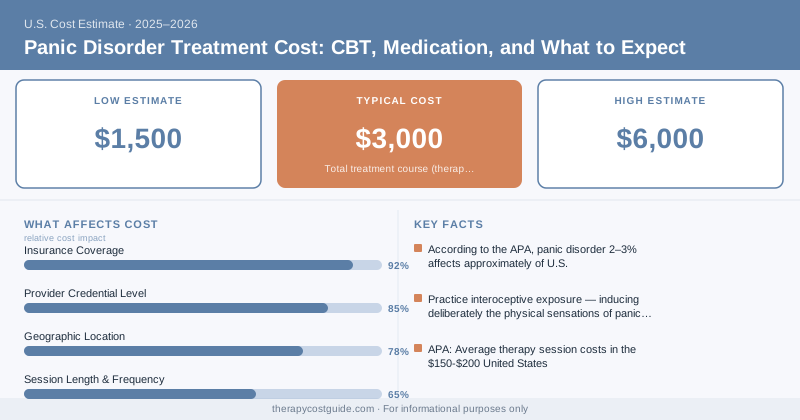
According to the APA, panic disorder affects approximately 2–3% of U.S. adults in any given year, and up to 28% of adults experience at least one panic attack during their lifetime. Panic disorder — the pattern of recurrent unexpected panic attacks plus persistent worry about having more — is distinct from isolated panic attacks and requires targeted treatment.
What Panic Disorder Treatment Involves
Panic disorder responds exceptionally well to CBT. The specific protocol used for panic — Panic Control Treatment (PCT) or similar structured CBT approaches — teaches patients to:
- Understand the physiology of panic attacks (not dangerous, not a sign of medical emergency)
- Identify catastrophic misinterpretations of physical sensations
- Practice interoceptive exposure — deliberately inducing the physical sensations of panic in a controlled setting to reduce fear of the sensations themselves
This protocol is typically 10–15 sessions and produces remission rates of 70–90% in clinical studies.
| Treatment Component | Low Estimate | Typical | High Estimate |
|---|---|---|---|
| CBT for panic (12 sessions, self-pay) | $1,200 | $2,000 | $3,600 |
| CBT for panic (20 sessions, self-pay) | $2,000 | $3,500 | $5,000 |
| SSRI medication (generic, monthly) | $10 | $20 | $40 |
| Psychiatry evaluation | $200 | $350 | $500 |
| Total treatment course (therapy + meds) | $1,500 | $3,000 | $6,000 |
| With in-network insurance | $400 | $900 | $1,800 |
Medication Costs for Panic Disorder
SSRIs are the first-line medication for panic disorder, with several having specific FDA approval:
- Paroxetine (Paxil, generic): $15–$35/month — FDA-approved for panic disorder
- Sertraline (Zoloft, generic): $10–$25/month — FDA-approved for panic disorder
- Fluoxetine (Prozac, generic): $10–$20/month
- Venlafaxine XR (Effexor XR, generic): $20–$50/month — also FDA-approved for panic disorder
Benzodiazepines (Xanax, Klonopin) are sometimes prescribed for panic but carry significant risk of dependence. Short-term use while an SSRI takes effect is sometimes appropriate; long-term use is generally discouraged. Generic alprazolam (Xanax): $10–$25/month.
Why the 10–20 Session Range Matters
Panic disorder is one of the clearest examples of a condition where time-limited CBT is genuinely curative — not just management. The evidence shows:
- After a 12-session CBT protocol, approximately 70–80% of patients are panic-free
- Follow-up data shows these gains are maintained long-term in the majority of patients
- Ongoing medication management without CBT has lower long-term success rates
This means the $2,000–$3,000 investment in a full CBT course is often a one-time cost, not a recurring annual expense. Someone who completes CBT successfully may need little or no ongoing mental health treatment for panic.
Why People Overspend on Panic Disorder Treatment
Panic disorder is routinely over-medicated and under-treated with CBT. People often spend years on benzodiazepines (which manage panic in the short term but don’t resolve it) or cycling through multiple SSRIs without adding the CBT that would make the biggest difference.
The APA guidelines are clear: CBT plus SSRI produces better long-term outcomes than either alone. Benzodiazepines are appropriate for short-term symptom management while waiting for an SSRI to take effect, not as ongoing treatment.
The most expensive panic disorder treatment path is the common one: indefinite medication management without a structured CBT course.
What Affects Panic Disorder Treatment Cost
Agoraphobia comorbidity — Approximately 30–40% of people with panic disorder develop agoraphobia — avoidance of situations associated with panic. Agoraphobia significantly complicates treatment, typically requiring in-vivo exposures (going out to feared places with the therapist or as homework) and extending the treatment course. Budget for 20–30 sessions if agoraphobia is present.
Prior treatment history — If someone has had multiple prior treatment trials that didn’t work, treatment-resistant panic disorder requires more intensive approaches. Intensive outpatient or partial hospitalization may be indicated and costs substantially more.
Therapist specialty — CBT for panic is a specific protocol. A general therapist using supportive approaches won’t produce the same outcomes as a therapist using PCT or a validated panic disorder CBT protocol. Specialist therapists charge more but produce faster results.
Insurance Coverage
Panic disorder (F41.0) is covered by insurance under mental health parity. Typical in-network costs:
- CBT sessions: $20–$60 copay
- Generic SSRI: $0–$10/month
- Psychiatry visits: $30–$75 copay
Disclaimer: TherapyCostGuide provides cost information for educational purposes only. We are not a mental health provider and do not offer clinical advice or treatment. Cost ranges are based on national survey data and vary significantly by location, provider credentials, practice setting, and insurance plan. Always consult a licensed mental health professional for treatment decisions. If you are in crisis, call or text 988 (Suicide & Crisis Lifeline) or go to your nearest emergency room.