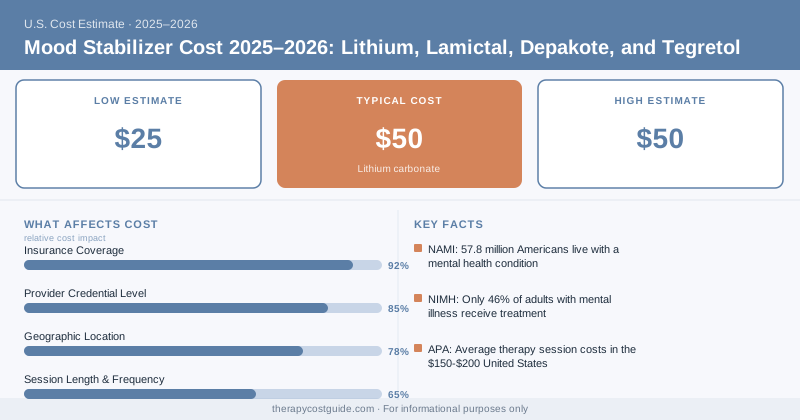
Mood Stabilizer Cost 2025–2026: Lithium, Lamictal, Depakote, and Tegretol
{ if eq .Lang "zh" }{ else }{ end }Lithium has been the cornerstone of bipolar disorder treatment since the 1970s — and at $25/month generic, it’s also one of the cheapest effective psychiatric medications in existence. The medication itself isn’t the expensive part. The monitoring labs are.
Here’s what mood stabilizers actually cost, including the ongoing labs that most price guides leave out.
Mood Stabilizer Medication Costs
| Medication | Generic/Month | Brand | Brand/Month |
|---|---|---|---|
| Lithium carbonate | $25–$50 | Eskalith | Not widely available |
| Lamotrigine | $20–$60 | Lamictal | $450–$600 |
| Valproic acid / Divalproex | $25–$60 | Depakote ER | $350–$500 |
| Carbamazepine | $20–$50 | Tegretol | $250–$350 |
| Oxcarbazepine (off-label) | $30–$60 | Trileptal | $300–$400 |
Prices are 30-day cash retail at typical therapeutic doses. With insurance, generics often cost $10–$30/month. Brands are generally not prescribed when generics are available — especially for these older medications.
The Real Cost: Medication + Monitoring
Mood stabilizers aren’t just “take daily and forget.” Several require regular blood monitoring, which adds significant cost over time — especially if you’re paying cash.
| Medication | Monitoring Required | Lab Cost (Cash) | Frequency |
|---|---|---|---|
| Lithium | Lithium level, kidney function (Cr/BUN), thyroid (TSH) | $50–$150/panel | Every 3–6 months (stable) |
| Valproic acid (Depakote) | Valproate level, LFTs, CBC | $80–$150/panel | Every 3–6 months |
| Carbamazepine | Carbamazepine level, CBC, LFTs, sodium | $80–$200/panel | Every 3–6 months |
| Lamotrigine | No routine level monitoring | None required | — |
With insurance, labs are usually covered as part of routine disease management. Without insurance, plan for $50–$200 every 3–6 months on top of medication costs.
Lithium: Cheap, Effective, High-Maintenance
Lithium is unique. It’s one of the few medications with strong evidence for suicide reduction in bipolar disorder — a point made clearly in NIMH’s treatment guidelines. But it has a narrow therapeutic index, meaning the difference between a therapeutic level and a toxic level is small.
Toxicity can cause tremor, confusion, kidney damage, and in severe cases can be life-threatening. This is why lithium levels need regular monitoring — not as a bureaucratic requirement, but as a genuine safety necessity.
The drug itself costs $25–$50/month. A 90-day supply often runs $60–$80 at discount pharmacies. The monitoring adds $50–$150 per lab visit (every 3–6 months when stable, more frequently when starting or adjusting doses). Annual all-in cost: approximately $500–$900/year without insurance, or $100–$300/year with insurance.
Lamotrigine (Lamictal): The Least Burdensome Option
Lamotrigine doesn’t require routine blood level monitoring. That makes it easier to manage than lithium or valproate. It’s FDA-approved for bipolar maintenance (preventing relapse), particularly for bipolar depression. It’s notably less effective for acute mania.
The main safety concern is Stevens-Johnson Syndrome (SJS), a rare but serious skin reaction. The risk is significantly reduced by titrating the dose very slowly — starting at 25mg and increasing gradually over 6–8 weeks. This slow titration is why it takes a while to reach a therapeutic dose.
Generic lamotrigine is $20–$60/month, making it one of the most cost-accessible mood stabilizers with the fewest monitoring requirements.
Valproic Acid (Depakote): Effective But Complex
Divalproex sodium (Depakote) is effective for acute mania and bipolar cycling. It’s also associated with weight gain, hair loss, and — critically — significant teratogenic risk (fetal valproate syndrome). It’s contraindicated in pregnancy and should be used with caution in women of childbearing age.
Lab monitoring includes liver function tests and complete blood counts in addition to drug levels. Generic costs $25–$60/month; the monitoring adds similar costs to lithium.
Carbamazepine (Tegretol): The Specialist’s Choice
Carbamazepine has strong evidence for bipolar disorder but is used less commonly than lithium or lamotrigine due to:
- Complex drug interactions (it’s a potent inducer of liver enzymes, reducing the effectiveness of many other medications)
- Required monitoring of blood counts, LFTs, and sodium
- A genetic variant (HLA-B*1502, more common in Asian populations) that significantly increases SJS risk
When it’s used, it’s usually for patients who haven’t responded to first-line options. Generic runs $20–$50/month.
Insurance Coverage
All mood stabilizers are generally covered by insurance as generic medications. The monitoring labs are covered when ordered as part of ongoing disease management. Prior authorization may be required for brand-name formulations.
The APA’s Practice Guideline for Bipolar Disorder recommends lithium as the first-line maintenance treatment based on its evidence base for relapse prevention and suicide reduction. Lamotrigine is first-line for bipolar depression maintenance. This alignment with guidelines makes insurance approval relatively straightforward.
Mood Stabilizer Cost Summary
Lithium: $25–$50/medication + $50–$150 labs every 3–6 months. Total annual cash cost ~$500–$900. Lamotrigine: $20–$60/month, no routine labs. Annual cash cost ~$240–$720. Valproate: $25–$60/month + labs. Annual cash cost ~$600–$1,000. All three are on insurance formularies. Lab costs are typically covered with insurance.Bottom Line
Mood stabilizers are inexpensive as medications — lithium and lamotrigine generics run under $60/month. The full cost picture includes mandatory monitoring labs for lithium and valproate, which add $200–$600/year for cash-pay patients. With insurance, total costs are manageable. Lamotrigine is the least monitoring-intensive option; lithium has the strongest long-term evidence but requires the most oversight.
{ if eq .Lang "zh" }Disclaimer: TherapyCostGuide provides cost information for educational purposes only. We are not a mental health provider and do not offer clinical advice or treatment. Cost ranges are based on national survey data and vary significantly by location, provider credentials, practice setting, and insurance plan. Always consult a licensed mental health professional for treatment decisions. If you are in crisis, call or text 988 (Suicide & Crisis Lifeline) or go to your nearest emergency room.