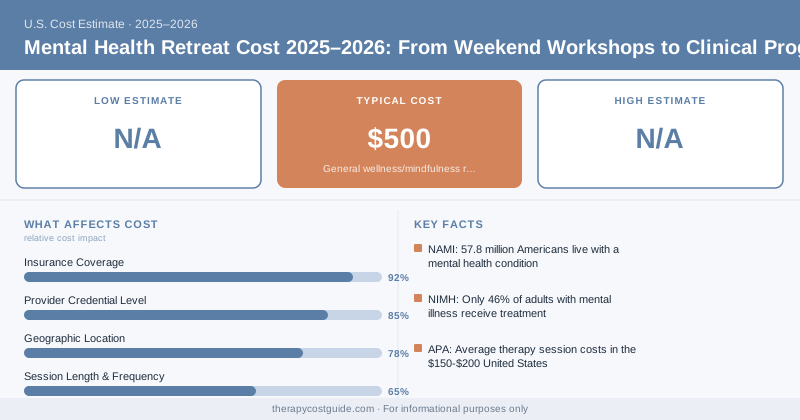
Mental Health Retreat Cost 2025–2026: From Weekend Workshops to Clinical Programs
{ if eq .Lang "zh" }{ else }{ end }A decade ago, “mental health retreat” mostly meant a yoga-and-journaling weekend marketed to burned-out professionals for a few hundred dollars. Today, the category has split into two very different products with very different price tags: general wellness retreats, and clinically-licensed intensive treatment programs that function more like short-term residential care than a vacation. Confusing the two is an expensive mistake.
Retreat Costs by Type
| Retreat Type | Duration | Typical Cost |
|---|---|---|
| General wellness/mindfulness retreat | Weekend (2–3 days) | $500 – $1,500 |
| General wellness retreat | Full week | $1,500 – $3,000 |
| Structured intensive (licensed therapists, specific modality like trauma or EMDR) | 3–5 days | $2,500 – $6,000 |
| Clinical treatment retreat (medical + psychiatric oversight) | 1 week | $8,000 – $15,000 |
| Clinical treatment retreat (medical + psychiatric oversight) | 2–4 weeks | $20,000 – $60,000 |
The Critical Distinction: Wellness vs. Clinical
Wellness retreats typically offer group workshops, mindfulness or yoga instruction, journaling prompts, and sometimes coaching — often led by wellness coaches or facilitators without clinical licensure. These can genuinely help with stress reduction and general well-being, but they’re not equipped to treat a diagnosed mental health condition, and shouldn’t be marketed or chosen as a substitute for clinical care.
Clinical treatment retreats are staffed by licensed therapists, sometimes psychiatric prescribers, and follow structured, evidence-based protocols — often functioning similarly to an intensive outpatient or partial hospitalization program compressed into a residential retreat format. These are appropriate for treating an actual diagnosed condition and come with a correspondingly higher, more clinically-justified price tag.
Ask This Before Booking Any Retreat
Before paying for any “mental health retreat,” ask directly: Are facilitators licensed mental health clinicians, and in which state? Is there medical or psychiatric oversight on-site? What specific, evidence-based treatment protocol is being used? A program that can’t answer these clearly is likely a wellness product, valuable for general stress relief but not a substitute for clinical treatment of a diagnosed condition like PTSD, depression, or an eating disorder.Why Clinical Retreats Cost So Much More
A clinical treatment retreat’s price reflects real overhead: licensed clinical staff working intensively with a small group or one-on-one, medical/psychiatric on-call coverage, secure and appropriate facilities, and often specialized modalities like intensive EMDR or trauma protocols that require extensive certified training. This is functionally similar in cost structure to residential treatment or intensive rehab programs, just marketed under the “retreat” framing.
Insurance Reality
Most wellness retreats have no insurance billing pathway at all — they’re private-pay, wellness-industry products, similar to a spa package. Clinical treatment retreats occasionally have partial insurance billing potential if the program is licensed as a recognized level of care (like a licensed intensive outpatient or partial hospitalization program delivered in a retreat setting), but this varies enormously by program and insurer — verify directly rather than assuming either way.
The wellness tourism industry has grown substantially over the past decade according to Global Wellness Institute research, and mental-health-specific retreat offerings have expanded as part of that broader trend — meaning the market now includes everything from credible clinical programs to loosely-supervised wellness products marketed with therapeutic-sounding language.
Bottom Line
General wellness retreats cost $500–$3,000 and can support stress reduction, but aren’t clinical treatment. Licensed clinical treatment retreats cost $2,500–$15,000+ and are appropriate for treating diagnosed conditions, with limited and inconsistent insurance coverage. Always confirm clinical licensure and oversight before choosing either.
{ if eq .Lang "zh" }Disclaimer: TherapyCostGuide provides cost information for educational purposes only. We are not a mental health provider and do not offer clinical advice or treatment. Cost ranges are based on national survey data and vary significantly by location, provider credentials, practice setting, and insurance plan. Always consult a licensed mental health professional for treatment decisions. If you are in crisis, call or text 988 (Suicide & Crisis Lifeline) or go to your nearest emergency room.