Medicare Therapy Coverage: Part B Mental Health Benefits Explained
{ if eq .Lang "zh" }{ else }{ end }Medicare covers more mental health care than most enrollees realize — and the rules changed significantly in recent years. The old 50% coinsurance rate for outpatient mental health services that made therapy feel expensive? Gone since 2014. The 190-day lifetime limit on inpatient psychiatric care? Removed. Here’s what Medicare actually covers now.
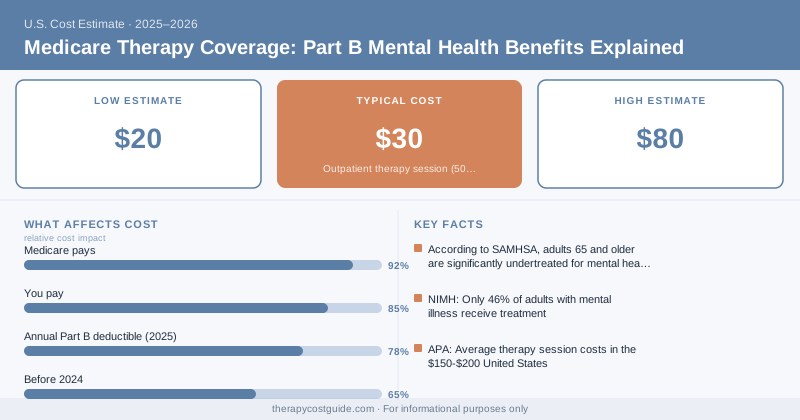
According to SAMHSA, adults 65 and older are significantly undertreated for mental health conditions, with depression affecting 15–20% of Medicare enrollees. Understanding your Medicare benefits is the first step to using them.
Medicare Part B: Outpatient Mental Health Coverage
Part B covers outpatient mental health services with the same cost-sharing as other Part B medical services:
- Medicare pays: 80% of the Medicare-approved amount after the annual deductible
- You pay: 20% coinsurance (plus any unmet deductible)
- Annual Part B deductible (2025): $257
With Medigap (supplemental insurance), your 20% coinsurance is often covered — reducing or eliminating out-of-pocket costs for therapy.
| Medicare Mental Health Service | Medicare Pays | You Pay (no Medigap) | With Medigap |
|---|---|---|---|
| Outpatient therapy session (50 min) | 80% | 20% ($30–$50) | $0–$20 |
| Psychiatry visit (evaluation) | 80% | 20% ($40–$80) | $0–$20 |
| Psychiatric medication (Part D) | Varies by plan | $0–$50/month | — |
| Inpatient psychiatric (hospital) | 80% after deductible | 20% + deductible | Covered |
| Partial hospitalization (PHP) | 80% | 20% | Covered |
Who Can Bill Medicare for Therapy?
Part B covers mental health services provided by:
- Psychiatrists (MDs)
- Psychologists (PhD/PsyD)
- Clinical social workers (LCSW)
- Licensed professional counselors (LPC) — coverage began January 2024
- Marriage and family therapists (LMFT) — coverage began January 2024
The expansion to LPCs and LMFTs is a significant change — as of 2024, the most common types of therapists can now bill Medicare directly. This substantially expands the pool of therapists who can see Medicare patients.
Inpatient Psychiatric Coverage: The Rule Change
Before 2024: Medicare had a 190-day lifetime limit on inpatient psychiatric care in a free-standing psychiatric facility.
After the IMPACT Act implementation: The 190-day lifetime limit was eliminated, aligning psychiatric hospitalization with the same rules as medical hospitalization. Days are now covered the same way medical inpatient stays are.
Inpatient psychiatric care in a hospital is covered under Part A:
- Days 1–60: $0 after deductible ($1,632 deductible per benefit period in 2025)
- Days 61–90: $408/day coinsurance
- Days 91+: Lifetime reserve days ($816/day)
Medicare Advantage vs. Original Medicare
Medicare Advantage (Part C) plans — private insurance alternatives to Original Medicare — typically include the same mental health benefits but may have:
- Different copay structures (flat copays vs. coinsurance)
- Network restrictions (must use in-network providers)
- Prior authorization requirements for ongoing therapy
- Additional benefits some plans offer: telehealth, wellness programs
With Medicare Advantage, you’ll often pay $20–$50 copays per therapy session rather than 20% coinsurance.
Medicare Mental Health Coverage for Telehealth
Medicare permanently expanded telehealth coverage for mental health services after pandemic-era flexibilities. As of 2025, Medicare covers telehealth therapy when you have an in-person visit with the mental health provider within 6 months of starting telehealth, and annually thereafter (for ongoing telehealth).
For rural Medicare beneficiaries, telehealth removes the geographic barrier to finding a Medicare-accepting therapist. All the same coverage rules apply — 80% Medicare, 20% your share.
Part D: Prescription Coverage for Psychiatric Medications
Medicare Part D covers most psychiatric medications, but formularies vary by plan:
- Generic SSRIs (sertraline, fluoxetine, escitalopram): Typically Tier 1 — $0–$5 copay
- Generic SNRIs (venlafaxine, duloxetine): Tier 2 — $5–$15 copay
- Brand antidepressants: Tier 3–4 — $30–$90 copay
- Brand antipsychotics: Tier 4–5 — $50–$200+ copay; prior authorization often required
With the 2024 Inflation Reduction Act cap on out-of-pocket drug costs ($2,000 annual cap for Medicare Part D enrollees), people on expensive psychiatric medications have significantly better protection.
Finding a Medicare Mental Health Provider
Therapist acceptance of Medicare has historically been low because Medicare reimbursement rates are below commercial insurance rates. However:
- The expansion to LPCs and LMFTs (2024) added many new billable providers
- SAMHSA’s findtreatment.gov allows filtering by Medicare acceptance
- Community mental health centers (CMHCs) accept Medicare
- Federally Qualified Health Centers (FQHCs) accept Medicare with lower cost sharing
Disclaimer: TherapyCostGuide provides cost information for educational purposes only. We are not a mental health provider and do not offer clinical advice or treatment. Cost ranges are based on national survey data and vary significantly by location, provider credentials, practice setting, and insurance plan. Always consult a licensed mental health professional for treatment decisions. If you are in crisis, call or text 988 (Suicide & Crisis Lifeline) or go to your nearest emergency room.