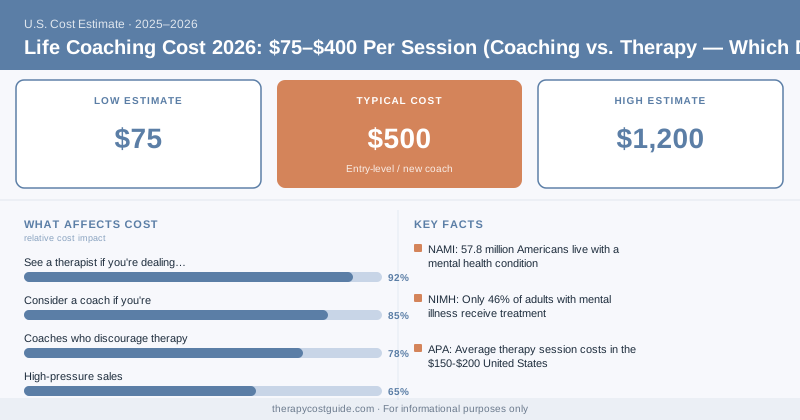
Life Coaching Cost 2026: $75–$400 Per Session (Coaching vs. Therapy — Which Do You Need?)
{ if eq .Lang "zh" }{ else }{ end }Most people who hire a life coach don’t need life coaching. They need a therapist. And most people who see a therapist could also benefit from a goal-oriented coaching relationship once the clinical work is done. Understanding the difference — and what each costs — saves you both money and time.
The International Coaching Federation (ICF) estimates the global coaching industry generates over $4.5 billion annually, with more than 109,200 coaches worldwide as of their most recent survey. It’s a massive, largely unregulated industry. That means the quality varies wildly from credentialed professionals with 200 hours of training to weekend-certified influencers charging $500/hour for “mindset work.”
Here’s what you actually need to know before hiring one.
Life Coaching Costs at a Glance
| Coach Type | Per Session | Package (3 months) |
|---|---|---|
| Entry-level / new coach | $75–$150 | $500–$1,200 |
| ICF-certified coach (ACC/PCC) | $150–$300 | $1,500–$2,500 |
| Executive / specialty coach (MCC) | $250–$400+ | $2,500–$5,000+ |
| Online platforms (BetterUp, Torch) | $100–$200/session | Corporate plans vary |
Most coaches sell packages rather than pay-per-session. A typical 3-month engagement includes 8–12 sessions (biweekly or weekly), email/text access between sessions, and sometimes assessments or worksheets. Three-month packages typically run $1,000–$3,000 for a certified coach.
Specialty coaches — executive coaches who work with C-suite leaders, performance coaches for athletes, or business coaches for entrepreneurs — often charge $300–$600/hour. At the top end, prominent executive coaches charge $1,000–$5,000 per session. These aren’t outliers. They’re targeting organizations that pay as a professional development expense.
Therapy vs. Coaching: The Honest Breakdown
This is the question that matters most before you spend money on either.
See a therapist if you’re dealing with:
- Depression, anxiety, or panic attacks affecting daily function
- Trauma, PTSD, or childhood experiences that continue to affect behavior
- Relationship patterns you keep repeating despite wanting to change them
- Grief, major life transitions accompanied by significant distress
- Substance use or compulsive behaviors
- Suicidal thoughts or self-harm
Consider a coach if you’re:
- Functioning well but feeling stuck in a career or life direction
- Building a business and want accountability and strategic thinking
- Working toward a specific goal (promotion, fitness, creative project)
- Transitioning between chapters and want a thought partner
- High performer who wants to optimize, not treat
The overlap zone is real. A therapist who does CBT work on perfectionism might help a high achiever in ways that look a lot like coaching. A great coach who notices their client has untreated depression will refer out. The cleanest heuristic: if your struggle has a clinical name, start with a therapist.
The Therapy-First Rule
If you’re not sure whether you need therapy or coaching, start with a licensed therapist. Therapists are trained to assess whether clinical treatment is needed. Coaches are not trained to recognize when someone needs clinical help — and some actively discourage clients from seeking therapy. A therapist can always transition your work toward a more coaching-oriented model once acute symptoms are addressed.Online Coaching Platforms
BetterUp, Torch, and similar platforms operate primarily in the B2B corporate wellness space. Companies pay for employee access to coaches, and individual pricing (when available) runs $100–$200 per session. The coaches on these platforms are typically ICF-credentialed and matched to clients by focus area.
For individuals paying out of pocket, platforms like The Life Coach School and various niche-specific programs sell courses and group coaching programs for $500–$3,000 that include some live coaching access. These are lower per-session costs but more structured and less customized than 1:1 coaching.
Independent coaches who build their practices through social media or word of mouth vary enormously. Some are genuinely skilled and reasonably priced. Others are heavily marketed and lightly trained.
Red Flags in the Coaching Industry
Because coaching is unregulated, watch for:
- Coaches who discourage therapy — any coach who says “you don’t need therapy, you just need mindset work” is operating outside their lane
- High-pressure sales — legitimate coaches don’t demand you decide in a 30-minute call or lose a “special” price
- Vague outcomes — good coaches can tell you specifically what they help clients achieve
- No credentials at all — “certified” from a weekend online course isn’t the same as ICF credentials
- Guarantees — coaching outcomes depend significantly on client effort; guaranteed transformation is a sales tactic
Getting the Most Out of What You Pay
If you decide coaching is right for you, a few things maximize the return:
Have a specific goal before you hire. “I want to feel better” is a therapy goal. “I want to make a decision about leaving my job by September” is a coaching goal. Specific, time-bound goals give coaching structure and let you evaluate whether you’re getting value.
Ask for a free chemistry call (most coaches offer 20–30 minutes). The relationship and communication style matter more in coaching than in therapy — you’re partners, not patient and clinician.
Check the ICF credential verification database before paying. ICF credentials are searchable online. Takes 30 seconds to verify.
Budget reality: a 3-month coaching engagement with an ICF-certified coach will run you $1,500–$2,500. That’s real money. If it’s not in the budget, group coaching programs ($200–$800) or coaching-adjacent books and courses might get you 60% of the benefit at 20% of the cost.
{ if eq .Lang "zh" }Disclaimer: TherapyCostGuide provides cost information for educational purposes only. We are not a mental health provider and do not offer clinical advice or treatment. Cost ranges are based on national survey data and vary significantly by location, provider credentials, practice setting, and insurance plan. Always consult a licensed mental health professional for treatment decisions. If you are in crisis, call or text 988 (Suicide & Crisis Lifeline) or go to your nearest emergency room.