Inpatient Psychiatric Hospitalization Cost: Daily Rates, Insurance Coverage, and What to Expect
{ if eq .Lang "zh" }{ else }{ end }Psychiatric hospitalization is the most acute and most expensive level of mental health care. The cost surprises most people — and the billing often arrives weeks after discharge, adding financial stress to an already difficult period.
Here’s what inpatient psychiatric care actually costs, what insurance typically covers, and how to navigate the billing process.
What Inpatient Psychiatric Care Costs
Inpatient psychiatric hospitalization is typically billed per day (per diem) and includes room, board, psychiatric evaluation, medication management, group therapy, and 24-hour nursing supervision.
| Setting | Daily Cost (No Insurance) | Typical Stay | Total (No Insurance) |
|---|---|---|---|
| General hospital psychiatric unit | $1,200 – $2,000/day | 5 – 7 days | $6,000 – $14,000 |
| Free-standing psychiatric hospital | $800 – $1,500/day | 7 – 14 days | $5,600 – $21,000 |
| Academic medical center psych unit | $1,500 – $3,000/day | 5 – 10 days | $7,500 – $30,000 |
| Crisis stabilization unit (shorter-term) | $500 – $1,000/day | 2 – 4 days | $1,000 – $4,000 |
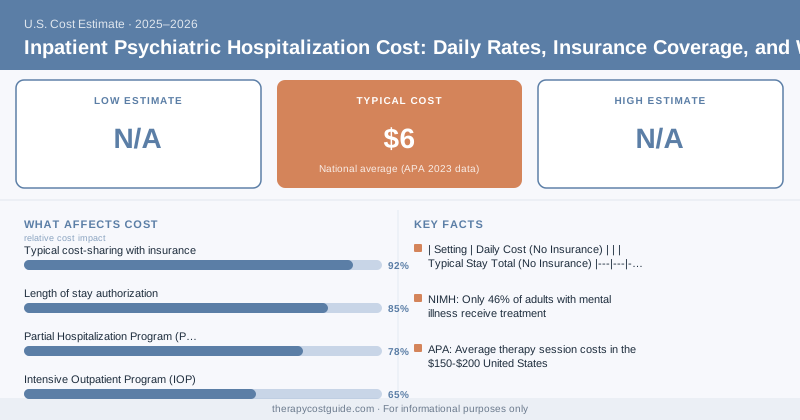
| National average (APA 2023 data) | $1,350/day | 6 days avg | ~$8,100 |
These figures are for the facility fee only. Separate bills typically arrive from:
- The psychiatrist who evaluates and manages medication
- The social worker who conducts the discharge planning
- Any specialists consulted (medical workup, for example)
A $10,000 facility bill can easily have $2,000–$4,000 in additional professional fees attached.
Insurance Coverage
Inpatient psychiatric care is covered by most health insurance plans. The Mental Health Parity Act requires that coverage rules for inpatient mental health be comparable to inpatient medical/surgical benefits.
Typical cost-sharing with insurance:
- Deductible: you pay the full daily rate until your deductible is met (varies, often $1,000–$3,000)
- Coinsurance: typically 20% of the allowed amount after your deductible
- Out-of-pocket maximum: once reached, insurance covers 100% — important for long stays
Length of stay authorization: Insurers typically require prior authorization for inpatient psychiatric stays and conduct concurrent reviews every 2–3 days to authorize continued stay. Premature discharge pressure from insurers is a real issue — hospitals must advocate for medical necessity.
If you or a family member is discharged before feeling ready, you have the right to appeal the discharge and request a peer-to-peer review between the hospital’s treating psychiatrist and the insurance reviewer.
What Involuntary Hospitalization Costs
Involuntary psychiatric holds (often called “5150” in California, or referred to as emergency detention orders in other states) typically result in an inpatient admission billed the same as voluntary admission.
Insurance is billed regardless of whether admission was voluntary. If you’re uninsured and the admission was involuntary, many states have provisions for emergency Medicaid eligibility or presumptive eligibility that can cover costs retroactively. Ask the hospital’s financial counselor about emergency Medicaid eligibility — it’s often available for people who wouldn’t otherwise qualify but whose income meets crisis-period thresholds.
What Inpatient Psychiatric Care Looks Like
Most people who haven’t experienced a psychiatric admission don’t know what to expect. A typical acute inpatient stay includes:
- 24/7 supervised milieu (common areas, structured schedule)
- Daily psychiatric evaluation by the unit’s attending psychiatrist
- Group therapy sessions (typically 2–4 per day: coping skills, psychoeducation, discharge planning)
- Medication adjustment and monitoring
- Social work assessment and discharge planning (connecting to outpatient care after discharge)
Inpatient psychiatric care is stabilization-focused, not insight-focused. The goal is crisis resolution and safe transition to a less intensive level of care — not extended therapy. Most stays are 3–10 days.
What Comes After: Step-Down Care Costs
Discharge from inpatient doesn’t mean the mental health crisis is fully resolved. Most clinicians recommend step-down care, which has its own costs:
Partial Hospitalization Program (PHP): Structured programming 5–6 hours per day, 5 days per week. Insurance typically covers after inpatient. Out-of-pocket with insurance: $0–$50/day copay. Without insurance: $300–$600/day.
Intensive Outpatient Program (IOP): 3–4 hours per day, 3–5 days per week. Out-of-pocket with insurance: $0–$40/day copay. Without insurance: $150–$400/day.
Regular outpatient therapy: Standard weekly therapy, covered at normal copay rates.
The continuum from inpatient → PHP → IOP → outpatient therapy is the standard care pathway after a psychiatric hospitalization. Skipping step-down care significantly increases rehospitalization risk.
Financial Assistance for Uninsured Patients
If you’re uninsured and face a large inpatient bill:
- Medicaid emergency enrollment: Available in most states for acute care. The hospital financial counselor initiates this.
- Hospital charity care: Most nonprofit hospitals are required to offer financial assistance for low-income patients. Ask for the financial assistance application before leaving.
- Payment plans: Most hospital systems will set up payment plans at 0% interest. This doesn’t reduce the bill but makes it manageable.
- Medical debt negotiation: After receiving the bill, it’s often possible to negotiate a reduction, particularly for large balances.
Disclaimer: TherapyCostGuide provides cost information for educational purposes only. We are not a mental health provider and do not offer clinical advice or treatment. Cost ranges are based on national survey data and vary significantly by location, provider credentials, practice setting, and insurance plan. Always consult a licensed mental health professional for treatment decisions. If you are in crisis, call or text 988 (Suicide & Crisis Lifeline) or go to your nearest emergency room.