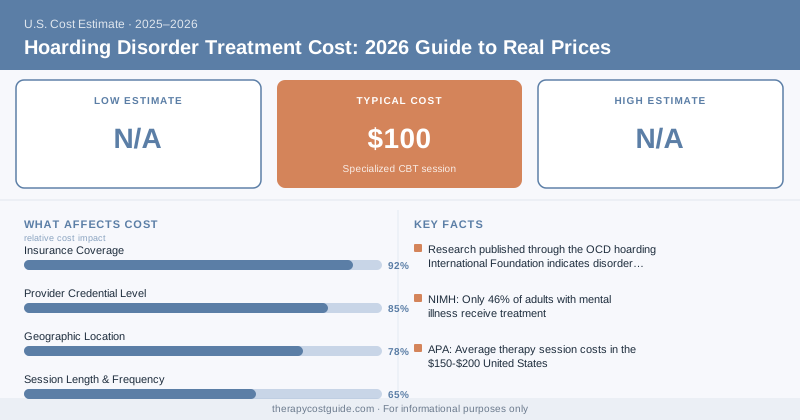
Hoarding Disorder Treatment Cost: 2026 Guide to Real Prices
{ if eq .Lang "zh" }{ else }{ end }In 2010, hoarding-related issues weren’t even their own diagnosis. By 2013, hoarding disorder had its own entry in the DSM-5, separate from OCD. That shift mattered for treatment — and for cost — because it meant clinicians finally started developing therapy designed specifically for hoarding rather than borrowing tools built for other conditions.
The bad news? Specialized care isn’t cheap, and there’s often a second cost most people don’t see coming: the cleanout itself.
What Hoarding Disorder Treatment Costs
There are really two budgets here — the clinical treatment and the physical decluttering support. Let’s separate them.
| Service | Typical Cost | Notes |
|---|---|---|
| Specialized CBT session | $100 – $250 | Hoarding-specific approach |
| Full CBT course (20–26 sessions) | $2,000 – $5,000 | Longer than most anxiety care |
| In-home therapy visit | $150 – $350 | Higher due to travel |
| Psychiatry/medication management | $150 – $400 initial | SSRIs sometimes used |
| Professional organizer (hoarding-trained) | $50 – $150/hour | |
| Heavy cleanout/junk removal | $1,000 – $10,000+ | Depends on severity |
The clinical side and the cleanout are two different worlds. Skipping the therapy and only paying for a cleanout almost always backfires — the clutter returns.
Why Treatment Takes Longer (and Costs More)
Hoarding disorder responds to a specialized form of cognitive behavioral therapy, but it typically requires more sessions than most anxiety conditions — often 20 to 26 — and progress is gradual. That pushes a full course to $2,000–$5,000 before insurance.
Research published through the International OCD Foundation indicates hoarding disorder affects an estimated 2.6% of the population, with rates climbing in older adults. Because the condition tends to worsen with age and the clutter accumulates over decades, treatment is genuinely a longer-term commitment than, say, exposure therapy for a single phobia.
Key Takeaway
Budget for two things: specialized CBT (roughly $2,000–$5,000 for a full course) and possible cleanout/organizing costs that can run from hundreds to over $10,000. Therapy first — cleanouts without treatment rarely hold.The Cleanout Cost Nobody Mentions
Severe cases involve a physical cleanout. A hoarding-trained professional organizer charges $50–$150 an hour. Full junk-removal services for badly affected homes can run $1,000 to well over $10,000, depending on volume, biohazards, and whether structural cleaning is needed.
Medication and Insurance
SSRIs are sometimes prescribed, especially when hoarding co-occurs with depression or anxiety. That means psychiatry visits and medication on top of therapy. Insurance generally covers the clinical care — see does insurance cover therapy — but rarely covers organizers or cleanouts. If you’re uninsured, our therapy without insurance guide lists lower-cost routes.
Frequently Asked Questions
Why is hoarding therapy longer than other anxiety treatment? Hoarding involves deeply ingrained beliefs about possessions, decision-making difficulties, and habits built over years or decades. Sorting and discarding is practiced gradually so the person builds tolerance rather than feeling overwhelmed. That careful pace is what makes the work stick, but it’s also why 20-plus sessions is typical.
Will insurance pay for a cleanout? Almost never. Insurers treat junk removal and professional organizing as non-medical services. They typically do cover the therapy and any psychiatry. Some local aging or adult-protective programs offer cleanout assistance for at-risk older adults — worth asking your county about.
Does medication help hoarding? It can, particularly when depression or anxiety is also present, but medication alone rarely resolves hoarding. The American Psychiatric Association considers specialized CBT the primary evidence-based treatment, with medication as a supporting tool rather than a standalone fix.
{ if eq .Lang "zh" }Disclaimer: TherapyCostGuide provides cost information for educational purposes only. We are not a mental health provider and do not offer clinical advice or treatment. Cost ranges are based on national survey data and vary significantly by location, provider credentials, practice setting, and insurance plan. Always consult a licensed mental health professional for treatment decisions. If you are in crisis, call or text 988 (Suicide & Crisis Lifeline) or go to your nearest emergency room.