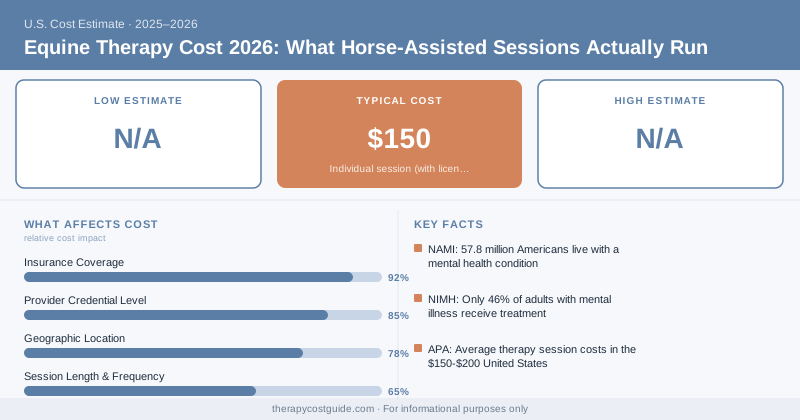
Equine Therapy Cost 2026: What Horse-Assisted Sessions Actually Run
{ if eq .Lang "zh" }{ else }{ end }Would you pay $200 to talk to a horse instead of a therapist? That’s not quite what’s happening — equine-assisted therapy pairs a licensed clinician (or certified equine specialist) with structured interactions involving horses, and it’s grown into a genuine, if pricier, complement to traditional talk therapy for trauma, anxiety, and behavioral challenges in both teens and adults.
Equine-assisted therapy isn’t about horseback riding for recreation — sessions typically involve groundwork exercises like grooming, leading, and observing horse behavior, which practitioners use to surface emotional patterns, build trust, and practice regulation skills in a low-pressure, nonverbal setting. Veterans’ organizations and youth treatment programs have been among the most consistent adopters.
Equine Therapy Cost Breakdown
| Session Type | Typical Cost |
|---|---|
| Individual session (with licensed therapist + equine specialist) | $150 – $250 |
| Individual session (equine specialist only, non-clinical) | $75 – $150 |
| Group session (per person) | $50 – $120 |
| Multi-week structured program (6–8 sessions) | $600 – $1,800 |
| Intensive/residential equine component (as part of larger program) | Bundled into overall program cost |
Prices vary significantly by region — equine therapy requires access to a facility with horses, arena space, and specialized staff, so rural areas with established equine facilities sometimes offer lower rates than urban programs that must maintain or partner with a nearby stable.
Why It Costs More Than Standard Talk Therapy
A typical equine therapy session requires at least two staff members (a licensed mental health professional and a certified equine specialist), facility and horse care overhead, insurance for the equine activity itself (separate from professional liability), and typically runs longer than a standard 45-50 minute talk therapy session — often 60-90 minutes including horse interaction and processing time. All of that adds up to a higher per-session cost than office-based therapy.
Ask Specifically About PATH International or EAGALA Credentials
Before booking, ask any equine therapy provider whether their equine specialist holds PATH International or EAGALA certification, and whether a licensed mental health clinician co-facilitates sessions or is only loosely affiliated. This distinction affects both the clinical rigor of what you’re paying for and whether a licensed therapist’s insurance billing codes might apply to any part of your session.Who Tends to Benefit Most
Equine therapy has been used most consistently with trauma survivors, veterans (several veteran-focused nonprofits offer subsidized or free equine therapy programs specifically), at-risk youth, and individuals who’ve had difficulty engaging with traditional talk therapy formats. It’s frequently incorporated as one component within wilderness therapy and residential treatment programs rather than as a sole standalone treatment.
Research on equine-assisted interventions has grown over the past decade, though the evidence base remains smaller and more mixed than for established modalities like CBT — most clinicians position it as a valuable complementary approach rather than a replacement for evidence-based primary treatment.
Look for Subsidized Options First
Before paying full price, check whether veteran service organizations, nonprofit foundations, or community mental health centers in your area offer subsidized or free equine therapy programs — several national veteran-focused nonprofits fund no-cost equine programs specifically for service members and their families, and youth-focused nonprofits sometimes offer scholarship spots for structured programs.
Bottom Line
Expect $75–$250 per session for equine-assisted therapy, with insurance coverage the exception rather than the rule. Verify PATH International or EAGALA credentials before booking, and check for veteran or nonprofit-subsidized programs in your area before paying full private-pay rates.
{ if eq .Lang "zh" }Disclaimer: TherapyCostGuide provides cost information for educational purposes only. We are not a mental health provider and do not offer clinical advice or treatment. Cost ranges are based on national survey data and vary significantly by location, provider credentials, practice setting, and insurance plan. Always consult a licensed mental health professional for treatment decisions. If you are in crisis, call or text 988 (Suicide & Crisis Lifeline) or go to your nearest emergency room.