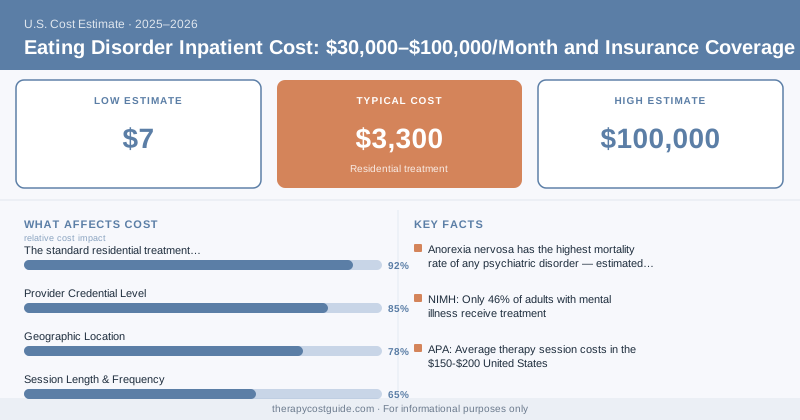
Eating Disorder Inpatient Cost: $30,000–$100,000/Month and Insurance Coverage
{ if eq .Lang "zh" }{ else }{ end }Anorexia nervosa has the highest mortality rate of any psychiatric disorder — estimated at 5–10% over 10 years by repeated research reviews. Treatment is expensive, insurance battles are common, and yet timely access to appropriate care is genuinely life-saving. Here’s what eating disorder inpatient treatment actually costs, what your insurance should cover, and what to do when they say no.
Eating Disorder Treatment Cost by Level of Care
| Level of Care | Daily Rate | Monthly Cost | Who Needs It |
|---|---|---|---|
| Medical inpatient (stabilization) | $2,000 – $8,000 | $60,000+ | BMI < 15, cardiac issues, electrolyte crisis |
| Psychiatric inpatient (acute) | $1,000 – $3,000 | $30,000 – $90,000 | Suicidality + eating disorder |
| Residential treatment | $1,000 – $3,300 | $30,000 – $100,000 | Medical stability; need structured 24/7 support |
| Partial hospitalization (PHP) | $600 – $1,500 | $12,000 – $30,000 | Stepping down from residential |
| Intensive outpatient (IOP) | $300 – $800 | $6,000 – $16,000 | Medically stable; needs daily structure |
| Outpatient (weekly therapy + dietitian) | $200 – $500/week | $800 – $2,000 | Maintenance and mild presentations |
Why Eating Disorder Treatment Costs This Much
Eating disorder treatment requires a multi-disciplinary team that few other psychiatric conditions need:
The standard residential treatment team includes:
- Psychiatrist (medication management + medical monitoring)
- Medical physician (weight restoration monitoring, electrolyte management)
- Registered dietitian (meal planning, nutrition rehabilitation)
- Individual therapist (CBT-E, FBT, DBT, or similar)
- Group therapy facilitators
- Meal support staff (supervised meals and snacks, typically 6 times daily)
- Nursing staff (overnight monitoring, vitals)
This level of staffing around the clock for a single patient is genuinely expensive. The meal supervision alone adds staff hours that don’t exist in any other psychiatric setting.
The NEDA Data on Insurance Coverage
According to the National Eating Disorders Association (NEDA), insurance coverage for eating disorder treatment is one of the most contested areas in mental health parity. Key findings:
- Most insurers require repeated appeals before approving residential treatment
- Average length of covered residential stay has declined from 83 days in the 1980s to 26–32 days today — despite evidence that shorter stays correlate with higher relapse rates
- Many insurers approve medical inpatient (covered under medical benefits) but resist psychiatric residential (behavioral health benefits) even when the clinical need is equivalent
- Step-down criteria — the medical thresholds required for moving from one level of care to a lower one — are often set at levels that leave patients at significant relapse risk
Weight Restoration Is Not Recovery — and Insurance Often Doesn't Know the Difference
Insurers frequently use weight restoration (return to a healthy BMI) as a criterion for discharging from residential to lower levels of care. But eating disorder specialists know that weight restoration is only the beginning of recovery. The psychological work — addressing body image, food fears, and the underlying drivers of the eating disorder — takes months after medical stabilization.
When fighting insurance denials, ask your treatment team to explicitly document that “medically stable” ≠ “recovered” and that premature discharge carries documented risk of relapse and re-hospitalization. Many appeals succeed on this basis.
What Insurance Covers (In Theory vs. In Practice)
In theory: Mental health parity requires that eating disorder treatment be covered comparably to other conditions requiring the same level of care.
In practice: Insurance frequently denies:
- Residential stays longer than 14–30 days
- PHP once patients are “medically stable” (even if psychologically not ready)
- Residential treatment when outpatient alternatives exist (regardless of whether those alternatives have actually failed)
How to fight denials:
- Request internal appeal (24–72 hours for urgent cases)
- Simultaneous external review — many states allow you to bypass the internal appeal and go directly to an independent external reviewer if you disagree with the denial
- Engage a patient advocate — NEDA has a helpline (1-800-931-2237) that can connect you with insurance navigation resources
- Eating Disorders Coalition — advocacy organization that provides free letters of medical necessity guidance
- State insurance commissioner complaint — if your insurer is violating MHPAEA, file a complaint while pursuing your appeal
Programs That Specialize in Insurance Navigation
Several large eating disorder treatment organizations have dedicated insurance departments that handle authorization battles routinely:
- Eating Recovery Center (multiple locations)
- Center for Discovery (nationwide)
- Alsana (formerly Castlewood)
- Monte Nido (multiple locations)
These programs have robust authorization teams and extensive experience fighting denials. For complex insurance situations, choosing a larger program with a dedicated authorization team may be worth the geographical inconvenience.
Cost Without Insurance
Without insurance, the math is brutal:
- 30-day residential: $30,000–$100,000
- 45-day residential (more common): $45,000–$150,000
- 60-day residential: $60,000–$200,000
Options for reducing self-pay costs:
State-funded eating disorder programs: Some states specifically fund eating disorder residential treatment. Search “[your state] eating disorder treatment fund.”
Non-profit facilities: A few non-profit facilities offer sliding-scale fees for eating disorder residential. These programs have waitlists and limited beds.
University training clinics: Academic medical centers may have eating disorder programs at reduced rates.
Clinical trial enrollment: NIMH and academic hospitals run eating disorder treatment trials that provide treatment free of charge. Check ClinicalTrials.gov for current eating disorder treatment studies.
The Cost of Not Treating
Anorexia nervosa with medical complications — cardiac arrhythmias, osteoporosis, organ damage — generates enormous healthcare costs downstream. A single medical hospitalization for severe malnutrition can cost $50,000–$150,000. Factored over a lifetime of relapse and re-treatment, the cost of inadequate early treatment consistently exceeds the cost of comprehensive initial care. This argument, made explicitly to insurers with your treatment team’s clinical documentation, can sometimes shift authorization decisions.
{ if eq .Lang "zh" }Disclaimer: TherapyCostGuide provides cost information for educational purposes only. We are not a mental health provider and do not offer clinical advice or treatment. Cost ranges are based on national survey data and vary significantly by location, provider credentials, practice setting, and insurance plan. Always consult a licensed mental health professional for treatment decisions. If you are in crisis, call or text 988 (Suicide & Crisis Lifeline) or go to your nearest emergency room.