TMS Cost in Duluth, MN: What Transcranial Magnetic Stimulation Runs in 2026
{ if eq .Lang "zh" }{ else }{ end }What does it actually cost to get TMS in a mid-sized market like Duluth, rather than a major metro? The answer: somewhat less than you’d pay in Minneapolis or Chicago, but the underlying pricing structure — per-session billing that adds up fast without insurance — is the same everywhere TMS is offered.
Transcranial magnetic stimulation (TMS) uses magnetic pulses to stimulate areas of the brain involved in mood regulation. The FDA cleared the first TMS device for treatment-resistant depression in 2008, and Medicare began covering it in 2013 once enough real-world evidence accumulated. For patients in the Duluth and greater Northland region who’ve tried multiple antidepressants without relief, it’s become a mainstream — if not cheap — next step.
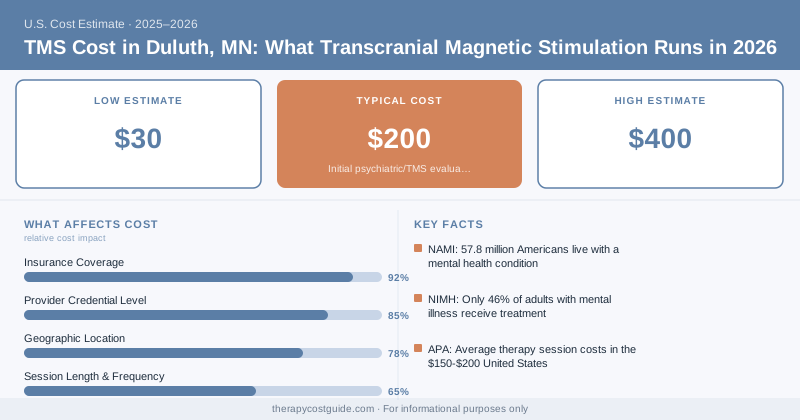
TMS Cost Breakdown in the Duluth Area
| Cost Component | Cash Price | With Insurance |
|---|---|---|
| Initial psychiatric/TMS evaluation | $200 – $400 | $30 – $75 copay |
| Per-session TMS treatment | $300 – $500 | $20 – $75 copay/session |
| Full course (30–36 sessions) | $10,000 – $15,000 | $600 – $2,500 total (typical) |
| Maintenance sessions (as needed) | $250 – $400/session | Copay varies by plan |
Regional providers around Duluth generally price TMS lower than what you’d see in Minneapolis-St. Paul or larger coastal metros, reflecting both lower overhead and a smaller but still competitive local mental health provider market.
Getting Insurance to Cover It
Most commercial insurers and Medicare cover TMS for major depressive disorder, but only after you meet “treatment resistance” criteria — typically documented failure of at least two different antidepressant medications at adequate dose and duration, sometimes alongside a trial of psychotherapy. Your prescriber’s office usually handles the prior authorization paperwork, but the process can take several weeks, so start it as early as possible if you’re considering TMS.
Ask About Session Bundling and Payment Plans
Some TMS clinics in smaller markets like Duluth offer package pricing for a full course paid upfront, which can shave 10–20% off the per-session cash rate compared to paying session by session. If insurance denial or a high deductible makes cash pay your reality, ask specifically about bundled course pricing and whether the clinic offers an interest-free payment plan — many do, since a $10,000+ upfront bill is a barrier even for motivated patients.Why TMS Costs What It Does
TMS requires a dedicated device (often costing the clinic well over $50,000), a trained technician present for every session, and a psychiatrist or nurse practitioner overseeing the protocol. Unlike a quick medication check, each session takes 20–40 minutes of dedicated equipment and staff time, five days a week for four to six weeks — which is why the per-session price sits well above a typical office visit even though no medication is dispensed.
The American Psychiatric Association has noted the growing role of neuromodulation treatments like TMS as antidepressant response rates plateau for a meaningful share of patients — clinical trial data cited in FDA clearance materials showed roughly half of treatment-resistant patients experienced significant symptom improvement, with a smaller share achieving full remission.
Comparing TMS to Other Treatment-Resistant Options
For patients who’ve exhausted standard antidepressants covered in the antidepressant cost guide, TMS sits alongside options like medication management intensification and, in more severe cases, inpatient care. TMS is generally far less invasive and costly than ECT (electroconvulsive therapy), which typically requires anesthesia and a hospital or outpatient surgical setting.
Bottom Line
Cash-pay TMS in the Duluth area runs $10,000–$15,000 for a full course — a serious expense. But most patients who meet documented treatment-resistance criteria get insurance coverage that brings this down to a few hundred to a couple thousand dollars in copays. Start the prior authorization conversation with your prescriber early, and ask every local clinic about package pricing if you end up paying cash.
{ if eq .Lang "zh" }Disclaimer: TherapyCostGuide provides cost information for educational purposes only. We are not a mental health provider and do not offer clinical advice or treatment. Cost ranges are based on national survey data and vary significantly by location, provider credentials, practice setting, and insurance plan. Always consult a licensed mental health professional for treatment decisions. If you are in crisis, call or text 988 (Suicide & Crisis Lifeline) or go to your nearest emergency room.