Dual Diagnosis Treatment Cost: Co-Occurring Disorders and the $15,000–$50,000 Premium
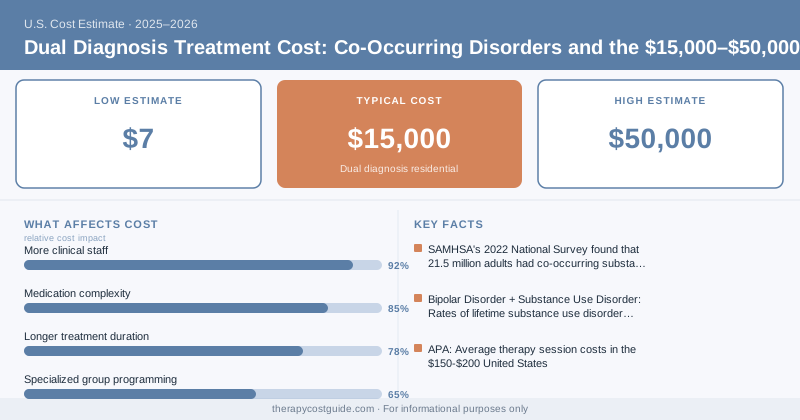
{ if eq .Lang "zh" }{ else }{ end }Most people with a substance use disorder also have a mental health condition — and vice versa. SAMHSA’s 2022 National Survey found that 21.5 million adults had co-occurring substance use and mental health disorders, yet fewer than 7% received treatment for both conditions simultaneously. Integrated “dual diagnosis” treatment costs more. Here’s why, and what you can expect to pay.
Dual Diagnosis Treatment Cost Overview
| Setting | Monthly Cost | What Makes It More Expensive |
|---|---|---|
| Dual diagnosis IOP | $4,000 – $12,000 | Psychiatrist-led, integrated clinical team |
| Dual diagnosis PHP | $8,000 – $20,000 | Daily psychiatric oversight for both conditions |
| Dual diagnosis residential | $15,000 – $50,000 | 24/7 integrated psychiatry + addiction medicine |
| Luxury dual diagnosis residential | $40,000 – $80,000+ | Private suites, executive privacy, premium amenities |
| Community mental health (IOP) | $0 – $3,000 | Sliding scale; waitlists common |
Why Co-Occurring Disorders Cost More to Treat
Treating a single condition requires one clinical specialty. Dual diagnosis requires two — delivered simultaneously by staff who understand both. That costs more.
More clinical staff: A dual diagnosis team typically includes an addiction medicine specialist, a psychiatrist (not just an NP or PA), licensed chemical dependency counselors, and mental health therapists — often all involved with the same patient.
Medication complexity: Many psychiatric medications interact with substances or are contraindicated with MAT (medication-assisted treatment). Managing these interactions safely requires more specialized pharmacological oversight.
Longer treatment duration: Resolving both conditions simultaneously — rather than treating addiction first, then mental health later — takes longer. Average dual diagnosis residential stays run 45–90 days vs. 28–30 days for single-diagnosis programs.
Specialized group programming: Dual diagnosis groups require facilitators trained in both mental health and addiction. Generic groups run by single-specialty counselors can be counterproductive if they’re not adapted for co-occurring presentations.
What Insurance Covers for Dual Diagnosis
The Mental Health Parity and Addiction Equity Act requires commercial insurers to cover co-occurring disorder treatment at the same level as medical/surgical benefits — but this gets complicated when treatment spans two diagnostic categories.
Pre-authorization challenge: Insurers may authorize treatment for one diagnosis but not the other, or may try to limit days because they consider the non-primary diagnosis to be “not medically necessary” in the current setting. Integrated dual diagnosis treatment has a stronger authorization argument than split treatment.
Documentation matters: The treatment team’s letter of medical necessity should explicitly describe the interaction between the two conditions and explain why integrated treatment is superior to sequential treatment. This framing usually produces better authorization outcomes.
Medicare: Part A covers inpatient psychiatric; Part B covers outpatient mental health. MAT for OUD (methadone, buprenorphine) is covered under specific provisions. Dual diagnosis residential coverage through Medicare is complex — consult your benefits coordinator.
Sequential vs. Integrated Treatment: The Clinical and Cost Argument
Historically, treatment systems operated sequentially: treat the addiction first, then address mental health. This approach has poor outcomes — mental health symptoms drive relapse, and relapse undermines mental health treatment.
Integrated treatment, where both conditions are addressed simultaneously by a coordinated team, produces significantly better outcomes. SAMHSA’s review of the evidence consistently supports integrated treatment over sequential. When presenting to insurers, framing the need for dual diagnosis residential as “integrated treatment that is more clinically efficient and cost-effective than two separate treatment episodes” can be persuasive.
The Most Common Co-Occurring Combinations
Depression + Alcohol Use Disorder: The most prevalent co-occurring combination. Alcohol is a depressant; people often self-medicate depression with alcohol, then experience rebound depression during abstinence. Treatment must address both simultaneously, often requiring antidepressants alongside addiction counseling.
PTSD + Substance Use Disorder: Extremely common in veterans and survivors of trauma. Self-medication of PTSD symptoms with alcohol, opioids, or stimulants. Trauma-focused therapy during early abstinence requires specialized expertise.
Bipolar Disorder + Substance Use Disorder: Rates of lifetime substance use disorder are 60%+ in people with bipolar disorder, according to multiple large epidemiological studies. Mood stabilization without treating the substance use is rarely sustainable.
ADHD + Stimulant Use Disorder: Self-medication of undiagnosed ADHD with stimulants (cocaine, methamphetamine) is documented across multiple studies. Treatment requires ADHD assessment and, often, non-stimulant medication management alongside addiction treatment.
Anxiety + Benzodiazepine Use Disorder: Particularly complicated because benzodiazepines are appropriately prescribed for anxiety — and withdrawal from them is medically dangerous. Dual diagnosis treatment must address the anxiety without re-introducing benzodiazepine dependence.
What Affects Dual Diagnosis Treatment Cost
Complexity of the co-occurring conditions: Mild depression + cannabis use disorder costs less to treat than severe PTSD + opioid use disorder. More clinical complexity = more staff time = higher cost.
Psychiatric level of care required: If the mental health component requires inpatient-level psychiatric care, total costs increase substantially. Programs with 24/7 psychiatric physician coverage charge more than those with only on-call coverage.
Duration: Most dual diagnosis residential programs recommend 60–90 days minimum for meaningful clinical outcomes. At $500–$1,500/day, 90 days ranges from $45,000–$135,000 before insurance.
Geographic location: Urban dual diagnosis programs, particularly in California, New York, and Florida, command a significant premium. Tennessee, Texas, and the Southeast generally offer lower rates for comparable clinical quality.
Finding Affordable Dual Diagnosis Treatment
SAMHSA’s National Helpline (1-800-662-4357): Can connect you to local programs specifically for co-occurring disorders, including publicly funded options.
State mental health authority + SUPR: Many states have coordinated mental health and substance use agencies that fund dual diagnosis services. Income-eligible individuals may access integrated IOP or residential at greatly reduced cost.
University-affiliated programs: Academic medical centers often have specialized dual diagnosis programs and may accept more complex cases. Teaching programs sometimes offer sliding-scale options.
FQHC co-occurring care: Many Federally Qualified Health Centers now offer co-occurring disorder care (therapy + psychiatry + MAT integration) at sliding-scale fees. Services are more limited than residential, but may be the right starting point.
{ if eq .Lang "zh" }Disclaimer: TherapyCostGuide provides cost information for educational purposes only. We are not a mental health provider and do not offer clinical advice or treatment. Cost ranges are based on national survey data and vary significantly by location, provider credentials, practice setting, and insurance plan. Always consult a licensed mental health professional for treatment decisions. If you are in crisis, call or text 988 (Suicide & Crisis Lifeline) or go to your nearest emergency room.