Depression Medication Cost Guide 2025–2026: Antidepressants, Generics, and Newer Options
{ if eq .Lang "zh" }{ else }{ end }Most people assume antidepressants must be expensive — they’re brain medication, prescribed by a specialist, tied to a serious diagnosis. That assumption is wrong for the vast majority of patients. It’s one of the most affordable categories in all of psychiatric medicine.
Here’s what’s actually true, and where the real cost complexity hides.
Standard Antidepressant Costs
| Medication Class | Example Drugs | Generic/Month | Brand/Month |
|---|---|---|---|
| SSRIs | Sertraline, escitalopram, fluoxetine | $10 – $25 | $200 – $300 |
| SNRIs | Venlafaxine, duloxetine | $15 – $35 | $250 – $350 |
| Atypical | Bupropion, mirtazapine | $10 – $30 | $200 – $280 |
| Tricyclics (older class) | Amitriptyline, nortriptyline | $10 – $20 | Rarely branded now |
| MAOIs (rare, specialist use) | Phenelzine, tranylcypromine | $30 – $80 | $150 – $250 |
For the vast majority of patients starting treatment, cost sits in that $10–$35/month generic range — cheaper than a streaming subscription bundle.
Where the Cost Actually Escalates: Treatment-Resistant Depression
The myth that antidepressants are expensive isn’t entirely baseless — it’s just misapplied to the wrong category. Standard first-line antidepressants are cheap. Treatment-resistant depression care is not.
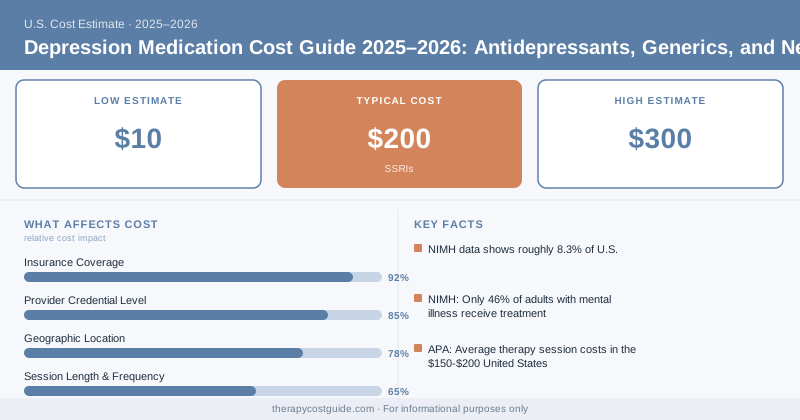
NIMH data shows roughly 8.3% of U.S. adults experienced at least one major depressive episode in the past year, and research suggests up to a third of those don’t respond adequately to the first two medications tried. That’s where cost climbs:
- Esketamine (Spravato) nasal spray: $600–$900 per session, with 2x/week induction for 4 weeks ($4,800–$7,200 induction phase alone), then tapering maintenance sessions
- IV ketamine infusion: $400–$800 per infusion, typically 6 infusions for induction ($2,400–$4,800)
- Transcranial magnetic stimulation (TMS): $300–$500 per session, 20–36 sessions typical ($6,000–$15,000 full course)
- Augmentation strategies (adding a second medication like aripiprazole to an SSRI): adds $20–$50/month generic
The Step-Therapy Reality
Insurance almost always requires “step therapy” for advanced treatments like esketamine or TMS — meaning documented failure of at least 2 standard antidepressants at adequate dose and duration (usually 6–8 weeks each) before they’ll approve the pricier option. This isn’t just bureaucracy; it reflects real clinical guidelines, but it does mean the path to advanced treatment takes months, not days.Insurance Coverage
Generic SSRIs and SNRIs are covered by essentially every insurance plan at the lowest tier, typically $0–$15 copay. TMS is covered by most major insurers today (including Medicare) once step-therapy criteria are documented. Esketamine coverage varies more by plan and often requires a specialty pharmacy network and REMS program enrollment due to its controlled monitoring requirements.
What Drives Real-World Cost Beyond the Pill
The medication itself is rarely the biggest expense. Psychiatrist visits for prescribing and monitoring — especially during the first 2–3 months of dose titration — typically add $150–$350 per visit uninsured, or $25–$50 copay insured, with visits every 2–4 weeks initially.
Bottom Line
Depression medication is inexpensive at the entry level — $10–$35/month for standard generics — but cost rises sharply for treatment-resistant depression care like TMS or esketamine, which can run into the thousands. Budget for the cheap starting point, but know the escalation path exists if the first medications don’t work.
{ if eq .Lang "zh" }Disclaimer: TherapyCostGuide provides cost information for educational purposes only. We are not a mental health provider and do not offer clinical advice or treatment. Cost ranges are based on national survey data and vary significantly by location, provider credentials, practice setting, and insurance plan. Always consult a licensed mental health professional for treatment decisions. If you are in crisis, call or text 988 (Suicide & Crisis Lifeline) or go to your nearest emergency room.