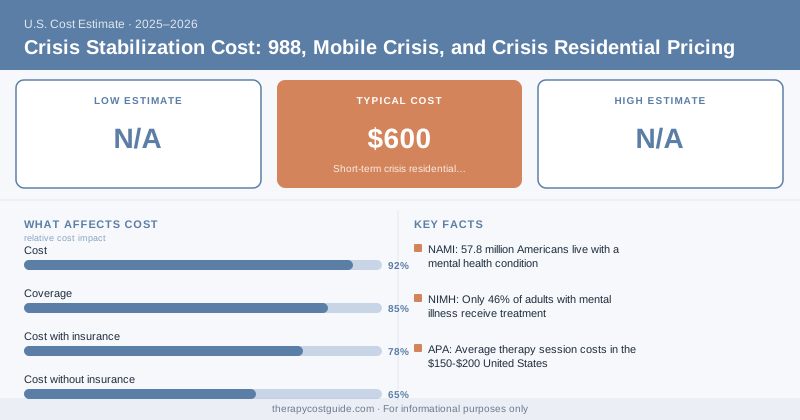
Crisis Stabilization Cost: 988, Mobile Crisis, and Crisis Residential Pricing
{ if eq .Lang "zh" }{ else }{ end }You’re in crisis. The last thing you should be thinking about is cost — but the reality is that the mental health system charges differently depending on where you go for help. A 988 call is free. A mobile crisis visit is often free. A crisis stabilization unit costs $500–$2,000/day. An emergency room psychiatric hold can cost $3,000–$20,000+ for a 72-hour stay. Knowing your options in advance can mean the difference between getting appropriate care and landing in the most expensive setting by default.
Crisis Options and Their Costs
| Resource | Typical Cost | When to Use |
|---|---|---|
| 988 Suicide & Crisis Lifeline | Free | Any mental health crisis; immediate phone/text support |
| Crisis text line (text HOME to 741741) | Free | Prefer text; can’t speak aloud |
| Mobile crisis team | Free – $200 | Active crisis at home; want to avoid ER/hospitalization |
| Crisis stabilization unit (CSU) | $500 – $1,500/day | Need short-term structure without full hospitalization |
| Psychiatric emergency room | $2,000 – $8,000 | Medical emergency or immediate safety risk |
| Short-term crisis residential (5–7 days) | $600 – $2,000/day | Need 24/7 support but not ER-level acute care |
988: The Free Starting Point
The 988 Suicide and Crisis Lifeline launched nationwide in 2022. According to SAMHSA, 988 handled over 5 million contacts in its first full year of operation. The line is staffed 24/7, free from any phone, and connects callers to local crisis counselors. Texting is also available.
988 doesn’t just help people who are suicidal. It’s appropriate for:
- Panic attacks or severe anxiety
- Psychotic episodes
- Medication crises
- Substance use emergencies
- Any situation where you feel overwhelmed and unsafe
The counselor may connect you directly to local mobile crisis services, saving you an unnecessary ER visit.
Mobile Crisis Teams: Free Response, Lower Trauma
Mobile crisis teams send clinicians — not police — to you during a mental health emergency. The American College of Emergency Physicians estimates that roughly 50–70% of mental health-related 911 calls could be handled by mobile crisis teams instead of police or ambulance transport to an ER.
Cost: Most mobile crisis programs operate under county mental health authority funding and are free to the patient. Some may bill Medicaid or insurance for the visit, but rarely generate a bill to the patient. If you receive a bill after a mobile crisis visit, call the county mental health authority — you may qualify for fee waivers.
Coverage: Mobile crisis availability is uneven. Urban areas generally have 24/7 mobile crisis services. Rural areas may have daytime-only coverage or rely on telehealth crisis workers. Search “[your county] mobile crisis team” or ask 988 to connect you.
Crisis Stabilization Units (CSUs)
A CSU is a non-hospital residential setting for acute mental health crises. It’s designed for people who need more than a phone call but less than a full inpatient hospitalization — typically 24–72 hours of stabilization.
CSUs typically offer:
- 24/7 staffing (nurses, counselors, psychiatrist on call)
- Individual assessment and safety planning
- Medication evaluation and adjustment if needed
- Peer support specialists
- Direct connection to next-level care (PHP, IOP, or outpatient)
Cost with insurance: After your deductible, typically $100–$300/day with commercial insurance. Many CSUs accept Medicaid at little or no cost to the patient.
Cost without insurance: $500–$1,500/day is typical. Some county-funded CSUs operate on sliding-scale fees or no cost for low-income individuals.
How CSUs Differ From Psychiatric Inpatient Units
The key difference is medical intensity and legal authority. Inpatient psychiatric units can hold you involuntarily under a 5150 (California) or equivalent emergency hold law. CSUs are voluntary — you choose to be there. The clinical environment is also less medically restrictive: CSUs feel more like a safe house than a hospital, which many patients find less traumatizing.
If you’re in a crisis that doesn’t rise to the level of requiring involuntary hold, a CSU can provide stabilization without the legal, financial, and psychological weight of a psychiatric hospitalization.
The ER Psychiatric Hold: The Expensive Default
When someone calls 911 during a mental health crisis and no mobile crisis alternative is available, they typically end up in an emergency department. The ER does an evaluation, which may result in:
- Medical clearance and discharge (with referrals): $500–$3,000 out-of-pocket depending on insurance
- Voluntary psychiatric admission: $5,000–$20,000+ for 3–7 days
- Involuntary hold (5150/302): Same costs as voluntary admission; insurance coverage depends on medical necessity criteria
The ER psychiatric hold is the highest-cost crisis pathway. For people without insurance, a 72-hour psychiatric hold can generate bills of $10,000–$40,000. Most hospitals have charity care programs and will significantly reduce or eliminate these bills for qualifying income levels — but only if you apply.
If You Can’t Afford Crisis Care
Call 988 first: The counselor can connect you to free local resources.
Ask for the hospital financial counselor: If you’re in the ER, ask to speak with a financial counselor before discharge. Hospital charity care can reduce or eliminate your bill.
SAMHSA’s Behavioral Health Treatment Locator: findtreatment.gov lists crisis facilities by location and payment type, including free and sliding-scale options.
Community Mental Health Centers: Federally funded CMHCs are required to provide crisis services regardless of ability to pay. Find your local CMHC at samhsa.gov.
Planning Ahead for Crisis
If you’re someone who experiences mental health crises periodically, building a crisis plan with your therapist is worth the time. A written crisis plan typically includes:
- Your personal warning signs that a crisis is developing
- Coping strategies to try first
- People to call (therapist, trusted friends)
- 988 and local mobile crisis numbers
- Nearest CSU address
- Your insurance card number and crisis authorization process
Having this plan on your phone means you don’t need to research cost and coverage options when you’re in the middle of a crisis — decisions made in acute distress are rarely the most cost-effective ones.
{ if eq .Lang "zh" }Disclaimer: TherapyCostGuide provides cost information for educational purposes only. We are not a mental health provider and do not offer clinical advice or treatment. Cost ranges are based on national survey data and vary significantly by location, provider credentials, practice setting, and insurance plan. Always consult a licensed mental health professional for treatment decisions. If you are in crisis, call or text 988 (Suicide & Crisis Lifeline) or go to your nearest emergency room.