BlueFire Wilderness Therapy Cost 2026: Daily Rate and Full Program Pricing
{ if eq .Lang "zh" }{ else }{ end }$45,000. That’s roughly the middle of what a family should expect to pay for an 8-to-10-week stay at a wilderness therapy program like BlueFire Wilderness — a number that surprises a lot of parents who assumed “outdoor program” meant “affordable alternative” to residential treatment. It usually isn’t.
BlueFire Wilderness is an Idaho-based wilderness therapy program serving adolescents and young adults dealing with anxiety, depression, substance use, trauma, and related challenges, combining backcountry living with structured individual and group clinical therapy. Programs like this occupy a specific niche: more intensive and immersive than outpatient therapy, generally less clinically intensive (and often somewhat less expensive per day) than locked psychiatric residential treatment.
Cost Breakdown
| Component | Typical Cost |
|---|---|
| Intake/assessment fee | $500 – $2,000 (one-time) |
| Daily program rate | $650 – $750/day |
| Typical stay length | 8 – 10 weeks (56 – 70 days) |
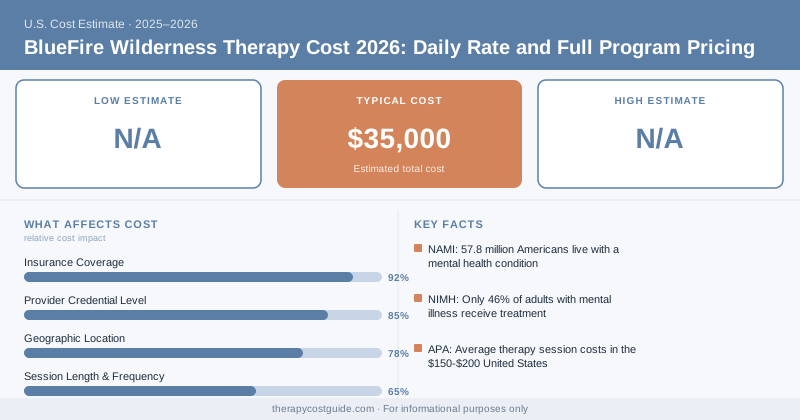
| Estimated total cost | $35,000 – $55,000 |
| Family therapy travel/participation | $500 – $2,000 (varies) |
| Aftercare/transition planning | Often additional, varies by provider |
Length of stay is individualized based on clinical progress, treatment team recommendations, and family goals rather than fixed at enrollment — which means the total cost estimate is genuinely a range, not a guarantee, and families should have a financial buffer beyond the low end.
Why Wilderness Therapy Costs This Much
Unlike outpatient therapy, wilderness programs require round-the-clock field staff supervision (often in shifts, with a low staff-to-client ratio), licensed clinical therapists conducting regular individual and group sessions in the field, camping equipment and gear replacement, food logistics in remote settings, academic tutoring components, and family therapy coordination — all of which layer costs well beyond a typical residential facility’s fixed-building overhead.
Ask for the Full Fee Schedule in Writing Before Enrolling
Request an itemized written fee schedule that separates the intake fee, daily rate, any equipment fees, family workshop costs, and aftercare planning fees — verbally quoted “all-in” daily rates sometimes don’t include everything. Ask specifically: “What could make my total bill higher than the daily rate times the estimated number of days?” A reputable program should answer this clearly and in writing.Insurance: Don’t Assume Coverage
This is the area where families get burned most often. Many insurance plans, including large commercial carriers, categorically deny wilderness therapy claims because the program isn’t licensed as a medical facility in the same regulatory category as a hospital or licensed residential treatment center — even though the clinical staff involved are often licensed therapists. Some families have successfully appealed denials with detailed documentation of medical necessity, sometimes with the help of an independent educational consultant or patient advocate, but you should plan financially as though insurance won’t cover it, then treat any reimbursement as a bonus.
SAMHSA and mental health advocacy organizations have both noted that access gaps for adolescent behavioral health treatment remain significant nationally, with cost cited repeatedly as a top barrier for families considering intensive treatment options — wilderness therapy sits squarely in that expensive tier.
Financing Options
Families facing a $35,000–$55,000 bill often combine several of the strategies covered in the behavioral health financing guide: a payment plan negotiated directly with the program, a home equity line of credit, retirement account loans, or specialized education/treatment loan products. Some programs offer their own in-house financing with structured monthly payments over 12–36 months.
Bottom Line
Budget $35,000–$55,000 for a typical BlueFire Wilderness stay, and don’t count on insurance to meaningfully offset that cost without a fight. Get every fee in writing, ask hard questions about what’s and isn’t included in the daily rate, and explore financing options before enrollment day arrives rather than scrambling once your child is already in the program.
{ if eq .Lang "zh" }Disclaimer: TherapyCostGuide provides cost information for educational purposes only. We are not a mental health provider and do not offer clinical advice or treatment. Cost ranges are based on national survey data and vary significantly by location, provider credentials, practice setting, and insurance plan. Always consult a licensed mental health professional for treatment decisions. If you are in crisis, call or text 988 (Suicide & Crisis Lifeline) or go to your nearest emergency room.