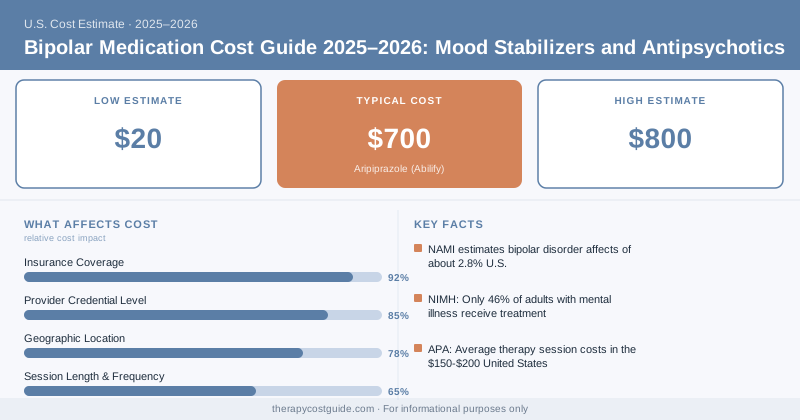
Bipolar Medication Cost Guide 2025–2026: Mood Stabilizers and Antipsychotics
{ if eq .Lang "zh" }{ else }{ end }In 2012, a month of brand-name Abilify for bipolar disorder ran $700–$800 with no generic in sight. Today, generic aripiprazole costs $20–$50 a month. That’s not a rounding error — it’s an entire category of medication becoming affordable in roughly a decade, and it’s the single biggest shift in bipolar treatment economics most patients don’t know about.
Here’s where prices stand now, and why the timeline matters for your budget.
Bipolar Medication Costs: Then vs. Now
| Medication | ~2012 Brand Price/Month | 2025 Generic Price/Month |
|---|---|---|
| Aripiprazole (Abilify) | $700 – $800 | $20 – $50 |
| Quetiapine (Seroquel) | $500 – $650 | $30 – $70 |
| Olanzapine (Zyprexa) | $600 – $750 | $20 – $50 |
| Lamotrigine (Lamictal) | $250 – $350 | $15 – $40 |
| Lithium carbonate | $30 – $60 (always generic) | $20 – $50 |
| Divalproex (Depakote) | $150 – $250 | $30 – $80 |
Lithium is the outlier — it’s been generic and cheap since the 1970s, which is why it remains a first-line option despite being an older drug.
Why This Timeline Matters for You
If you or a family member started bipolar treatment before roughly 2015–2018, the medication budget you remember is not the medication budget of today. Several atypical antipsychotics — the class most commonly used alongside mood stabilizers for bipolar disorder — went generic in that window, and prices fell by 85–95%.
If you’re paying brand prices today for any of these drugs, ask your pharmacist directly whether a generic exists — for most, one now does.
What Hasn't Gotten Cheaper
Newer atypical antipsychotics and long-acting injectables (like aripiprazole lauroxil or paliperidone palmitate injections) remain expensive — $1,000–$2,000+ per month — because they’re still on patent or offer a delivery method (monthly injection vs. daily pill) that commands a premium. These are typically reserved for patients who struggle with daily medication adherence.The Monitoring Cost That Doesn’t Show Up on the Pill Bottle
Lithium and valproate require regular blood level checks plus kidney, thyroid, and liver function panels — roughly every 3–6 months once stable, more frequently during initial titration. Each panel costs $50–$150 without insurance. This is a real and recurring cost that a medication price list alone won’t show you.
NAMI estimates bipolar disorder affects about 2.8% of U.S. adults, and untreated or undertreated episodes are a leading cause of psychiatric hospitalization — which costs far more than any medication or monitoring regimen. A single inpatient stay can run $10,000–$30,000, making consistent outpatient medication management the more affordable path by a wide margin.
Insurance and Generic Substitution
Nearly all insurance plans now cover generic versions of these medications at low copay tiers ($0–$15), since generics have been available for years. If your plan lists a brand-name version as preferred, that’s worth questioning — ask your pharmacist whether requesting the generic equivalent would lower your copay.
Bottom Line
Bipolar medication has gotten dramatically cheaper since the early 2010s as key antipsychotics went generic — expect $20–$80/month for most core medications today, plus $50–$150 every few months for required lab monitoring. If you’re still paying brand prices, ask about generic substitution immediately.
{ if eq .Lang "zh" }Disclaimer: TherapyCostGuide provides cost information for educational purposes only. We are not a mental health provider and do not offer clinical advice or treatment. Cost ranges are based on national survey data and vary significantly by location, provider credentials, practice setting, and insurance plan. Always consult a licensed mental health professional for treatment decisions. If you are in crisis, call or text 988 (Suicide & Crisis Lifeline) or go to your nearest emergency room.