Bipolar Disorder Treatment Cost: Therapy, Medication, and Annual Expenses
{ if eq .Lang "zh" }{ else }{ end }Bipolar disorder is expensive to treat — not because any single component costs a fortune, but because it requires multiple components working together. Therapy alone isn’t enough. Medication alone often isn’t enough. And the combination, over years, adds up in ways most people don’t see coming when they start treatment.
According to NAMI, bipolar disorder affects approximately 2.8% of U.S. adults — about 7 million people. It’s also one of the most disabling conditions in the world when untreated. But treated well, most people with bipolar disorder live full, functional lives.
What Bipolar Disorder Treatment Actually Includes
Unlike depression or anxiety, bipolar disorder almost always requires a psychiatric prescriber (not just a therapist) because medication management is central to treatment. That adds a layer of cost that’s easy to underestimate.
A typical ongoing treatment plan includes:
- A psychiatrist or psychiatric NP for medication management (monthly to quarterly visits)
- A therapist for psychotherapy — CBT, IPSRT, or family-focused therapy (weekly or biweekly)
- Mood stabilizer medication — lithium, valproate, lamotrigine, or atypical antipsychotics
- Lab monitoring — lithium and valproate require regular blood levels and kidney/liver function tests
| Treatment Component | Annual Low | Annual Typical | Annual High |
|---|---|---|---|
| Psychiatry visits (8–12/year) | $1,200 | $2,000 | $3,600 |
| Therapy (26–52 sessions/year) | $2,600 | $5,200 | $10,400 |
| Mood stabilizer (generic, monthly) | $120 | $300 | $600 |
| Lab monitoring (2–4x/year) | $150 | $400 | $800 |
| Total annual cost, uninsured | $4,500 | $8,000 | $15,000 |
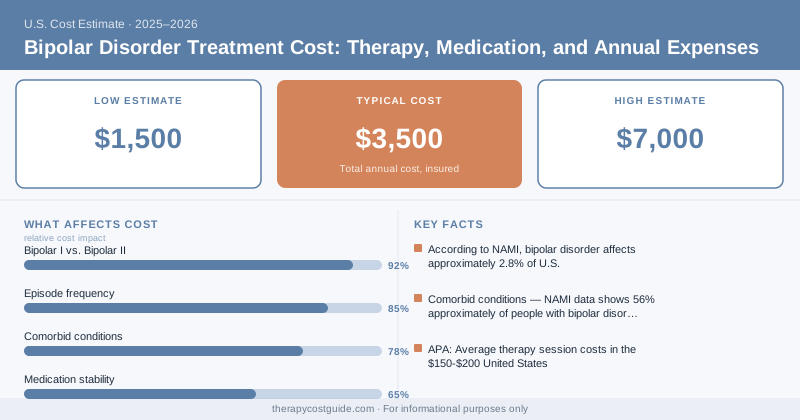
| Total annual cost, insured | $1,500 | $3,500 | $7,000 |
Mood Stabilizer Medication Costs
Mood stabilizers are the cornerstone of bipolar treatment. Generic versions are generally affordable:
- Lithium carbonate (generic): $20–$50/month — effective for bipolar I; requires regular blood level monitoring
- Valproic acid / divalproex (Depakote, generic): $30–$80/month — common for mixed episodes; also requires blood monitoring
- Lamotrigine (Lamictal, generic): $15–$40/month — often used for bipolar II, especially for depression prevention; no blood monitoring required
- Carbamazepine (Tegretol, generic): $30–$60/month
Atypical antipsychotics are also commonly prescribed, especially for bipolar I:
- Quetiapine (Seroquel, generic): $30–$70/month generic
- Aripiprazole (Abilify, generic): $20–$50/month generic
- Olanzapine (Zyprexa, generic): $20–$50/month generic
Brand-name versions of these drugs cost dramatically more — $300–$800+/month — but generics are available and equally effective for most patients.
Lab Monitoring: The Hidden Cost
Lithium and valproate are the medications that require regular blood monitoring. A lithium level blood draw costs $30–$80 without insurance. Kidney and thyroid function panels add $50–$150. These are typically done every 3–6 months once stable.
With insurance, these labs usually run $0–$30 per draw after deductible.
Why Bipolar Disorder Treatment Costs More Than Depression Treatment
Depression treatment is often therapy plus one medication managed by a primary care provider. Bipolar disorder, by contrast, requires:
- A psychiatric specialist (PCPs are often reluctant to manage lithium or complex mood stabilizers)
- Higher therapy frequency, especially in the first year
- Lab work that has to repeat indefinitely while on certain medications
- More medication adjustments over time as episodes change
NAMI data shows bipolar disorder has one of the highest rates of psychiatric hospitalization of any mental health condition. A single acute inpatient admission — often triggered by an untreated or undertreated episode — can cost $10,000–$30,000. Ongoing outpatient treatment, however expensive, is dramatically cheaper than hospitalization.
What Affects Total Bipolar Treatment Cost
Bipolar I vs. Bipolar II — Bipolar I involves full manic episodes and often requires more aggressive medication regimens. Bipolar II involves hypomania and longer depressive episodes; lamotrigine and therapy may manage it effectively at lower cost.
Episode frequency — Some people have one episode every several years; others cycle frequently. High-cycling bipolar disorder requires closer monitoring and more prescriber visits.
Comorbid conditions — NAMI data shows approximately 56% of people with bipolar disorder also have an anxiety disorder, and substance use co-occurs in roughly 30–60% of cases. Each comorbidity adds treatment complexity and cost.
Medication stability — Finding the right medication combination can take months. During the titration phase, you’ll have more frequent prescriber visits and potentially multiple medication trials.
Insurance and Bipolar Disorder
Bipolar disorder qualifies as a serious mental illness (SMI) in many states, which triggers enhanced benefits under Medicaid and some employer plans. With in-network insurance:
- Psychiatry visits: $30–$75 copay
- Therapy sessions: $20–$60 copay
- Generic mood stabilizer: $0–$15/month
- Lab work: Often covered at 100% after deductible for monitoring of prescribed medications
Disclaimer: TherapyCostGuide provides cost information for educational purposes only. We are not a mental health provider and do not offer clinical advice or treatment. Cost ranges are based on national survey data and vary significantly by location, provider credentials, practice setting, and insurance plan. Always consult a licensed mental health professional for treatment decisions. If you are in crisis, call or text 988 (Suicide & Crisis Lifeline) or go to your nearest emergency room.