Alma Therapy Cost 2026: Copays, Cash Rates, and How the Marketplace Bills
{ if eq .Lang "zh" }{ else }{ end }What does Alma actually cost? It’s one of the most-searched questions about the platform, and the honest answer is: it depends on your insurance card, not on Alma. Alma is a network that helps independent therapists accept insurance — so your bill looks like a normal in-network therapy bill, copay and all.
That’s good news for your wallet, but it means there’s no single sticker price to quote. Let’s get into the numbers.
How Alma’s Pricing Works
Alma supports therapists in private practice by handling insurance credentialing and claims. When you book through Alma’s “Find Care” directory, you’re matched with a provider who takes your plan. You pay your plan’s copay or coinsurance — the same way you would at any in-network office.
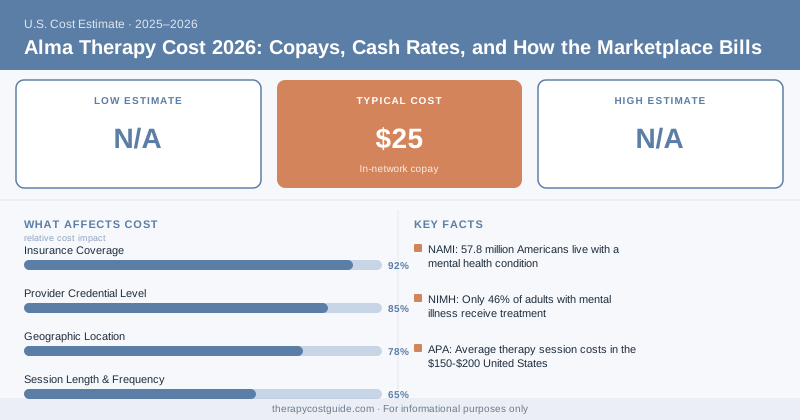
Alma reports that clients using in-network benefits commonly pay copays in the $25–$50 range. If you go out-of-network or self-pay, you pay the therapist’s full session rate.
| Payment Path | Typical Per-Session Cost | What Determines It |
|---|---|---|
| In-network copay | $25 – $50 | Your insurance plan |
| Coinsurance before deductible | $90 – $160 | Negotiated rate |
| Self-pay / out-of-network | $100 – $200 | Therapist sets it |
| Out-of-network with reimbursement | $100–$200 upfront, partial refund later | Your OON benefits |
Key Takeaway
Alma isn’t a flat-fee app — it’s an insurance-friendly therapist network. Insured clients usually pay only a copay (often $25–$50). Self-pay clients pay the therapist’s listed rate, typically $100–$200 a session.Why “It Bills Through Insurance” Is the Whole Story
A lot of confusion comes from lumping Alma in with subscription apps. It’s closer to a traditional therapist directory with billing support bolted on. The Substance Abuse and Mental Health Services Administration (SAMHSA) has highlighted insurance navigation as a persistent barrier to care, and Alma’s pitch is essentially solving that for you.
Because of that, the cheapest route is almost always using in-network benefits. For a broader look at how that compares to flat monthly plans, see our online therapy platforms comparison.
What’s Included
- A licensed therapist practicing in your state
- 45–60 minute live video sessions (in-person available with some providers)
- Insurance claims filed on your behalf
- A searchable directory you can filter by specialty, identity, and plan
There are no required messaging bundles or app subscriptions. You book sessions, you attend them, you pay your copay.
Where Costs Can Surprise You
Deductibles are the usual culprit. If your plan has a $2,000 behavioral health deductible you haven’t met, you might pay the full negotiated rate per visit until you cross it. The good news: many plans waive deductibles for outpatient mental health, so check yours.
Alma vs. Other Online Options
If you’ve looked at Talkspace, you’ve seen flat monthly subscriptions that don’t run through insurance. Alma is the opposite philosophy. For insured clients, the copay model usually wins on price. If you’re uninsured, compare Alma’s cash rates against the strategies in therapy cost without insurance and how to find affordable therapy.
One more consideration: Alma delivers full-length live sessions, much like standard individual therapy cost, rather than async text support.
Frequently Asked Questions
Does Alma take my insurance? Alma works with major insurers like Aetna, Cigna, Optum/UnitedHealthcare, and Oscar, though available plans vary by state and by individual therapist. You filter for your plan when searching the directory.
How much is Alma without insurance? Self-pay rates are set by each therapist and generally range from $100 to $200 per session, with experienced providers and major metros at the higher end.
Can I get reimbursed if my Alma therapist is out-of-network? Often yes. If your plan has out-of-network benefits, you pay upfront and your therapist (or Alma) can provide a superbill to submit for partial reimbursement. Confirm your OON coverage first — see does insurance cover therapy.
{ if eq .Lang "zh" }Disclaimer: TherapyCostGuide provides cost information for educational purposes only. We are not a mental health provider and do not offer clinical advice or treatment. Cost ranges are based on national survey data and vary significantly by location, provider credentials, practice setting, and insurance plan. Always consult a licensed mental health professional for treatment decisions. If you are in crisis, call or text 988 (Suicide & Crisis Lifeline) or go to your nearest emergency room.