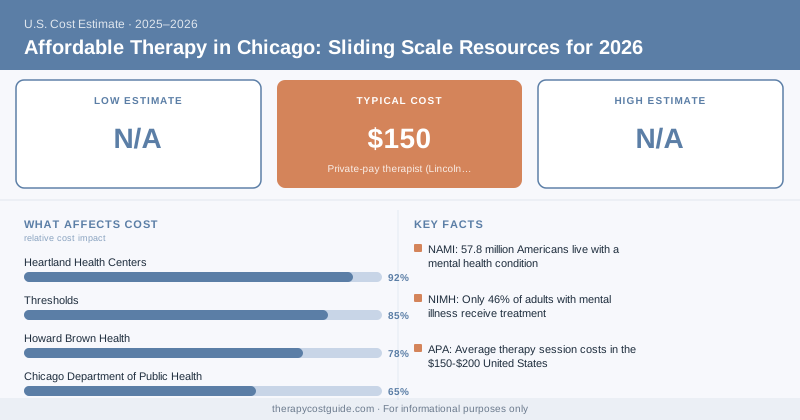
Affordable Therapy in Chicago: Sliding Scale Resources for 2026
{ if eq .Lang "zh" }{ else }{ end }Only about half of U.S. adults with a diagnosed mental illness receive treatment in a given year, based on SAMHSA’s ongoing national survey data — and cost is consistently the top reason people cite for going without care. Chicago, despite genuinely strong Illinois mental health parity laws, still has plenty of residents priced out of standard private-pay therapy. Here’s where the affordable options actually are.
Chicago Affordable Therapy Options
| Option | Typical Cost | Notes |
|---|---|---|
| Private-pay therapist (Lincoln Park, Lakeview) | $150 – $280/session | Highest-rate neighborhoods |
| Heartland Health Centers (FQHC) | $0 – $60/session | Sliding scale, multiple locations |
| Chicago Dept. of Public Health behavioral health clinics | $0 – $40/session | City-funded, income-based |
| Thresholds | $0 – $50/session | Nonprofit, serious mental illness focus |
| Howard Brown Health | $0 – $60/session | LGBTQ+ focused, sliding scale |
| University training clinic (UChicago, Adler, DePaul) | $15 – $50/session | Supervised graduate students |
| Illinois Medicaid | $0 – $10 copay | Must be Medicaid-eligible |
Where to Actually Start Calling
Heartland Health Centers, a network of Federally Qualified Health Centers across Chicago, is required by federal law to offer sliding-scale fees and integrates behavioral health directly into primary care visits — often the fastest path to an appointment for uninsured residents.
Thresholds is one of Chicago’s largest nonprofit mental health organizations, historically focused on serving people with serious and persistent mental illness on a sliding scale, with a strong presence on the South Side.
Howard Brown Health focuses specifically on LGBTQ+ health, including mental health services, with sliding-scale fees at multiple Chicago locations — a strong option for LGBTQ+ residents seeking culturally competent, affordable care.
Chicago Department of Public Health operates city-funded behavioral health clinics with sliding-scale fees; searching “Chicago behavioral health clinic” at the city’s official site will surface current locations.
NAMI Chicago's Helpline Is a Genuinely Useful First Call
NAMI Chicago’s helpline (312-563-0445) doesn’t just run support groups — staff can point you toward specific low-cost providers accepting new patients in your exact neighborhood, which saves significant time compared to cold-calling clinics one by one. It’s free, doesn’t require insurance information, and is staffed by people trained specifically in local mental health resource navigation.Illinois Medicaid and Parity Protections
Illinois Medicaid covers outpatient therapy for eligible residents with minimal copays through community mental health centers and FQHCs. For residents with employer or marketplace insurance instead, Illinois’s mental health parity laws require copays for mental health visits to match standard specialist copays — worth checking your Explanation of Benefits if a mental health claim looks inflated compared to a medical one.
Don’t Skip University Training Clinics
Graduate psychology programs at the University of Chicago, Adler University, and DePaul University all run training clinics where supervised doctoral students see clients at significantly reduced rates — often $15–$50 per session. The clinical supervision requirement means these students are closely overseen by licensed psychologists, which makes this a genuinely solid option, not just a budget compromise.
Bottom Line
Chicago’s sliding-scale network — anchored by Heartland Health Centers, Thresholds, Howard Brown Health, and city-funded clinics — offers real alternatives to the $150–$280 private-pay rates common in neighborhoods like Lincoln Park. Start with NAMI Chicago’s helpline for personalized referrals, and get on multiple waitlists at once if evening appointments are what you need.
{ if eq .Lang "zh" }Disclaimer: TherapyCostGuide provides cost information for educational purposes only. We are not a mental health provider and do not offer clinical advice or treatment. Cost ranges are based on national survey data and vary significantly by location, provider credentials, practice setting, and insurance plan. Always consult a licensed mental health professional for treatment decisions. If you are in crisis, call or text 988 (Suicide & Crisis Lifeline) or go to your nearest emergency room.