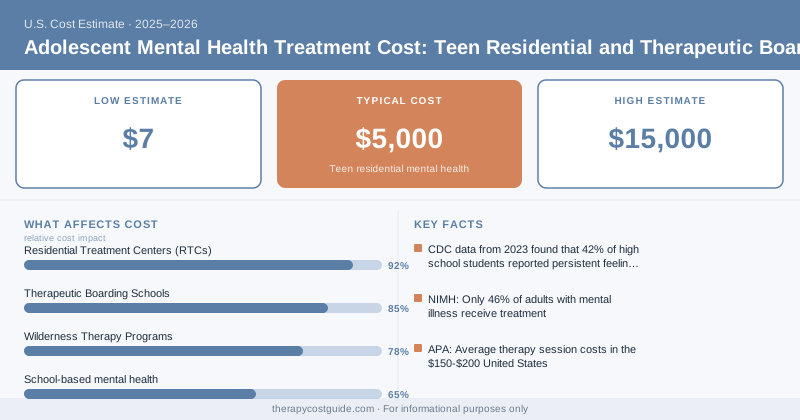
Adolescent Mental Health Treatment Cost: Teen Residential and Therapeutic Boarding School Prices
{ if eq .Lang "zh" }{ else }{ end }Teen mental health has deteriorated sharply in the past decade. CDC data from 2023 found that 42% of high school students reported persistent feelings of sadness or hopelessness — up from 28% in 2011. As demand for adolescent residential treatment has surged, so have prices. Here’s what treatment actually costs for teenagers, what insurance covers, and what parents need to know before choosing a program.
Adolescent Treatment Cost by Level
| Treatment Type | Monthly Cost | Appropriate For |
|---|---|---|
| Teen outpatient therapy | $400 – $2,000 | Mild symptoms, functioning at school |
| Teen IOP | $3,000 – $8,000 | Moderate symptoms; can live at home |
| Teen PHP | $6,000 – $15,000 | Acute symptoms; school disruption |
| Teen residential mental health | $5,000 – $15,000 | Severe symptoms; needs 24/7 structure |
| Therapeutic boarding school | $8,000 – $15,000 | Ongoing issues needing academic + therapy |
| Wilderness therapy program | $10,000 – $30,000+ | Crisis intervention; first-step programs |
| Residential treatment center (RTC) | $8,000 – $20,000 | Licensed clinical residential care |
The Critical Difference: Residential Treatment vs. Therapeutic Boarding Schools
These terms are used interchangeably in marketing materials, but they’re distinct in important ways.
Residential Treatment Centers (RTCs):
- Licensed medical/behavioral health facilities
- Staffed by licensed clinicians (psychiatrists, psychologists, licensed therapists)
- Insurance may cover part of the cost
- Duration: typically 30–90 days
- Treatment-focused with academic support secondary
Therapeutic Boarding Schools:
- Primarily educational settings with added therapeutic support
- Not required to be licensed as healthcare facilities in most states
- Insurance generally does NOT cover as medical treatment
- Duration: 1–3 academic years
- Education is primary; therapy is supplementary
Wilderness Therapy Programs:
- Short-term (8–12 weeks) experiential programs
- Primarily used as a “first step” to break crisis patterns before transitioning to RTC or therapeutic boarding
- Often not covered by insurance; $30,000–$60,000 for a typical 8-week program
- Quality and safety standards vary significantly; do thorough due diligence
What Insurance Covers for Teen Mental Health
Coverage follows the same mental health parity principles as adult care — but adolescents often access care differently.
School-based mental health: Many schools have counselors and licensed therapists. Services are free. This is the first line for mild presentations.
Commercial insurance (parents’ plan): Most plans cover teen IOP, PHP, and residential treatment with prior authorization. Teens stay on parents’ insurance until age 26 (ACA provision). Coverage mirrors adult mental health benefits.
CHIP (Children’s Health Insurance Program): For families who don’t qualify for Medicaid but can’t afford commercial insurance, CHIP covers children’s mental health services in all states, including some residential care. Income limits vary by state.
Medicaid for teens: Covers mental health treatment including residential RTCs that are Medicaid-certified. Many private RTCs don’t accept Medicaid; state-funded facilities typically do.
What Parents Need to Ask Any Residential Program
Before sending a teenager to any residential program, ask these questions directly:
- What is your staff-to-patient ratio during waking hours? Overnight?
- What is the education of your direct care staff? (Many programs use minimally trained “wilderness guides” or “counselors” who are not licensed clinicians.)
- How often does my child see the treating psychiatrist?
- What is your physical restraint policy? Any program that uses restraint as a routine behavior management tool should be avoided.
- Are you accredited by the Joint Commission or CARF?
- What is your family involvement model? Quality programs have structured family therapy, regular parent contact, and a clear family reunification plan.
- What does aftercare look like? Any program that doesn’t have a robust discharge and aftercare plan is setting your child up for relapse.
Academic Impact and Costs
A teenager in residential treatment is missing school. Most RTCs provide some academic programming, but it’s often limited. Parents need to account for:
Tutoring to catch up: $50–$150/hour; students typically need 2–4 months of catch-up support after a 30–60 day residential stay.
Credit recovery programs: Some school districts offer credit recovery for missed coursework. Free, but availability varies.
Private school re-enrollment fees: If the teen returns to private school after residential, re-enrollment may require assessments and fees.
Therapeutic boarding school as a bridge: If the teen is not ready to return to traditional school after RTC, therapeutic boarding schools provide structured academic programming within a therapeutic environment, at $8,000–$15,000/month.
Red Flags in Teen Treatment Programs
The adolescent residential treatment industry has a troubled history. Several programs have faced abuse allegations, and lax regulation in some states has allowed harmful programs to operate. NAMI and the American Academy of Child and Adolescent Psychiatry (AACAP) have both issued warnings about certain program types.
Red flags to avoid:
- No accreditation from Joint Commission or CARF
- Reluctance to allow parents to speak with or visit their child
- Excessive use of physical restraint or isolation as behavior management
- Claims of “guaranteed results”
- Programs that prohibit teens from contacting parents during treatment
- Inability to provide references from current or past families
- No licensed psychiatrist on staff
Programs that are licensed, accredited, and transparent about their clinical protocols are safer choices, even if they cost more.
Finding Affordable Teen Mental Health Care
Community mental health centers: Many offer teen-specific IOP and outpatient services on a sliding scale. Often the best first step.
School-based intensive services: Many large school districts have Mental Health Support Teams that can provide daily therapeutic support within the school setting at no cost.
NAMI Helpline (1-800-950-6264): Can connect families to local resources including low-cost teen residential options.
State Department of Children and Families: For families in acute crisis who can’t afford residential care, contacting the state child welfare or mental health agency may open access to publicly funded residential placement.
The average parent finances teen residential treatment through a combination of insurance, home equity lines of credit, and retirement savings. Having clear conversations with the program’s financial department about payment plans — before admission — can make the difference between completing treatment and being forced to discharge early due to financial pressure.
{ if eq .Lang "zh" }Disclaimer: TherapyCostGuide provides cost information for educational purposes only. We are not a mental health provider and do not offer clinical advice or treatment. Cost ranges are based on national survey data and vary significantly by location, provider credentials, practice setting, and insurance plan. Always consult a licensed mental health professional for treatment decisions. If you are in crisis, call or text 988 (Suicide & Crisis Lifeline) or go to your nearest emergency room.