ADHD Medication Cost 2025–2026: Adderall, Vyvanse, Strattera, and More
{ if eq .Lang "zh" }{ else }{ end }Adderall’s generic has been on FDA shortage watch since October 2022. That single fact has reshaped how millions of Americans manage ADHD — forcing switches to alternative stimulants, non-stimulants, or no medication at all. Before getting into prices, it’s worth knowing that “available” and “affordable” aren’t guaranteed to coexist on any given month.
Here’s what ADHD medications actually cost in 2025, shortage realities included.
ADHD Medication Price Comparison
| Medication | Type | Generic/Month | Brand/Month |
|---|---|---|---|
| Amphetamine salts (Adderall IR) | Stimulant | $30–$60 | N/A (discontinued brand) |
| Amphetamine salts XR (Adderall XR) | Stimulant | $50–$90 | $300–$380 |
| Lisdexamfetamine (Vyvanse) | Stimulant | $60–$120 (generic) | $300–$400 |
| Methylphenidate (Ritalin IR) | Stimulant | $25–$50 | $150–$200 |
| Methylphenidate ER (Concerta, Ritalin LA) | Stimulant | $50–$90 | $300–$380 |
| Dextroamphetamine (Dexedrine) | Stimulant | $40–$70 | $200–$300 |
| Atomoxetine (Strattera) | Non-stimulant | $30–$60 (generic) | $350–$450 |
| Guanfacine ER (Intuniv) | Non-stimulant | $20–$40 (generic) | $250–$350 |
| Clonidine ER (Kapvay) | Non-stimulant | $20–$40 (generic) | $200–$280 |
| Viloxazine (Qelbree) | Non-stimulant | N/A yet | $300–$400 |
| Bupropion XL (off-label) | Non-stimulant | $20–$40 (generic) | $250–$350 |
Prices are 30-day cash retail at typical therapeutic doses. GoodRx and manufacturer coupons can reduce costs significantly for some medications.
The Adderall Shortage: What It Means Practically
The FDA first added amphetamine salts to its drug shortage database in October 2022. As of 2025, intermittent shortages continue across different manufacturers and doses. The causes are interrelated:
- DEA manufacturing quotas for Schedule II substances limit how much any manufacturer can produce
- Demand surged dramatically from 2020–2023, partly due to increased adult ADHD diagnoses
- Some manufacturers experienced production delays and quality control issues
The shortage doesn’t mean you definitely can’t get Adderall — it means availability varies by pharmacy, location, dose, and month. Calling ahead to pharmacies before presenting a prescription has become standard practice for many patients.
If your pharmacy can’t fill your Adderall prescription, options include:
- Trying different pharmacies (independent pharmacies sometimes have stock when chains don’t)
- Asking your prescriber about switching to methylphenidate (different manufacturer pool)
- Considering non-stimulant alternatives for short gaps in supply
Generic Vyvanse
Vyvanse (lisdexamfetamine) finally got generic competition in August 2023 when Takeda’s exclusivity expired. Generic lisdexamfetamine is now available from multiple manufacturers at $60–$120/month depending on dose and pharmacy — a significant drop from the $300–$400 brand price.
If you were on brand Vyvanse before 2023, ask your pharmacist or prescriber about switching to generic. The FDA has confirmed bioequivalence of approved generics.
Non-Stimulants: The Underutilized Category
Non-stimulant ADHD medications don’t carry the same shortage risks and aren’t Schedule II controlled substances — meaning telehealth providers can prescribe them more freely and pharmacies can dispense them without the same regulatory constraints.
Atomoxetine (Strattera generic): A norepinephrine reuptake inhibitor, the first non-stimulant FDA-approved for adult ADHD. Takes 4–8 weeks to reach full effect. Generic is now available at $30–$60/month.
Guanfacine ER (Intuniv generic): Alpha-2 agonist, FDA-approved for ADHD. Works well for hyperactivity and impulsivity, somewhat less effective for inattention. Low cost generic.
Bupropion (off-label): Not FDA-approved for ADHD but frequently used off-label. Generic Wellbutrin XL runs $20–$40/month and has evidence for mild-to-moderate ADHD benefit, especially when depression co-occurs.
Viloxazine (Qelbree): Newer non-stimulant, FDA-approved for pediatric ADHD and being used off-label in adults. No generic yet, so runs $300–$400/month.
Should You Consider a Non-Stimulant?
Non-stimulants are worth considering if: you can’t reliably get stimulants due to shortage, you’re in a state with telehealth prescribing restrictions for Schedule II, you have a history of substance use disorder, you experience significant side effects from stimulants (appetite loss, cardiovascular effects, anxiety), or you need consistent coverage through the evening and overnight.
Non-stimulants generally take longer to work and may be less effective for severe inattention compared to stimulants — but they work well for many people and are underused.
Insurance Coverage
Most insurance plans cover at least one stimulant in each class (amphetamine and methylphenidate) as well as atomoxetine. With coverage, co-pays typically run $15–$40/month for generics.
Prior authorization is sometimes required for XR (extended-release) formulations — insurers may want documentation that you tried the IR first or that there’s a clinical reason for XR.
The DEA Telehealth Prescribing Situation
As noted in the ADHD telehealth cost guide, Schedule II stimulants now require in-person evaluation or an existing in-person relationship with the prescriber in most states, following the end of COVID telehealth exemptions. This affects which providers can initiate stimulant treatment for you. Non-stimulants don’t have this restriction.
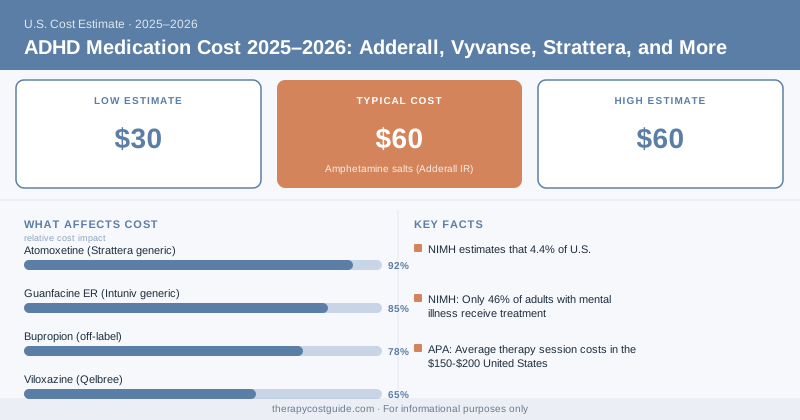
NIMH estimates that 4.4% of U.S. adults have ADHD — roughly 11 million people. A significant share are undiagnosed or untreated, and medication access remains one of the top barriers.
Bottom Line
Generic Adderall runs $30–$60/month; generic Vyvanse is now $60–$120/month. Non-stimulants are generally cheaper, not controlled, and available via telehealth. The ongoing stimulant shortage is real and affects availability at any given pharmacy at any given time — build in backup plans before you need them. With insurance, most stimulant generics run $15–$40/month.
{ if eq .Lang "zh" }Disclaimer: TherapyCostGuide provides cost information for educational purposes only. We are not a mental health provider and do not offer clinical advice or treatment. Cost ranges are based on national survey data and vary significantly by location, provider credentials, practice setting, and insurance plan. Always consult a licensed mental health professional for treatment decisions. If you are in crisis, call or text 988 (Suicide & Crisis Lifeline) or go to your nearest emergency room.